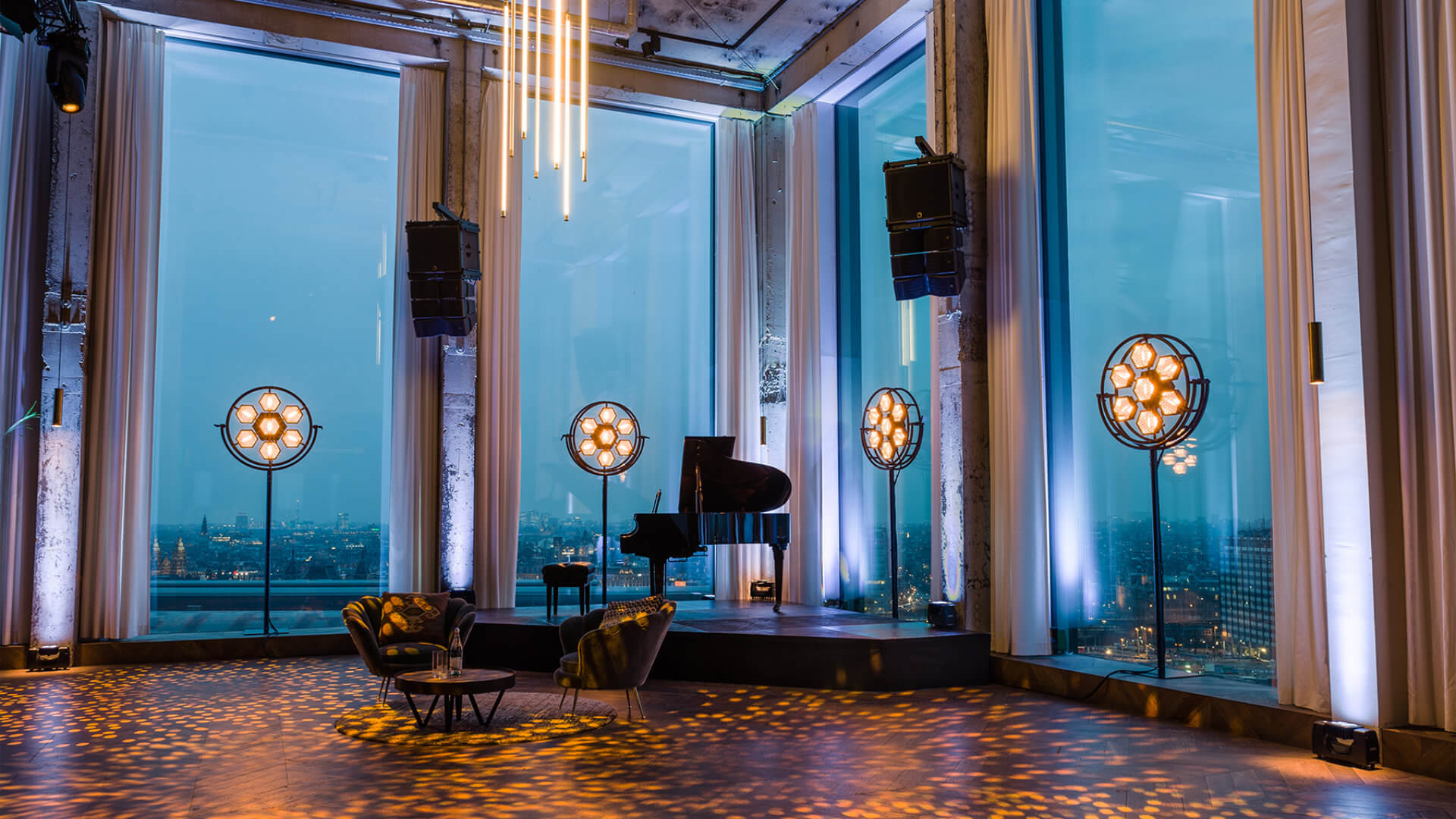
Destinations
Planning a CEO Programme in Amsterdam: Venues, Logistics and Executive Experiences
Plan a CEO programme in Amsterdam with practical advice on executive venues, canal logistics, private access and well-paced experiences.

How careful planning allows Marrakech’s contrasting settings to feel like one coherent incentive journey.
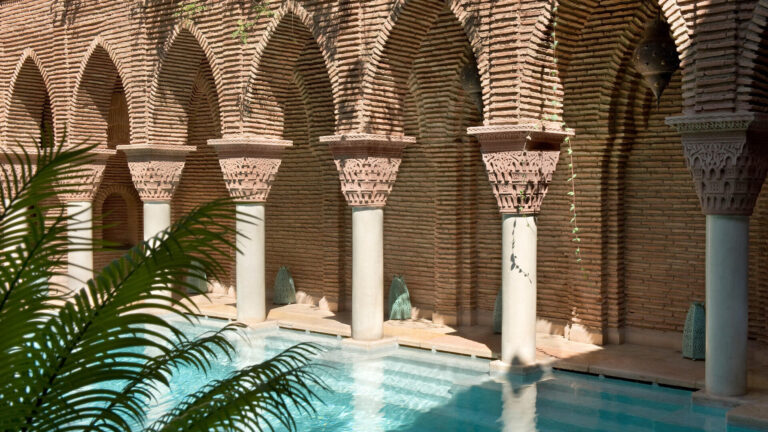
Within a short flight from many European cities, guests arrive somewhere unmistakably different: ochre walls, garden courtyards, lively souks, contemporary hotels and wide landscapes beyond the city.
That variety makes the destination appealing for incentive travel. It is also where planning becomes more complex than it first appears.
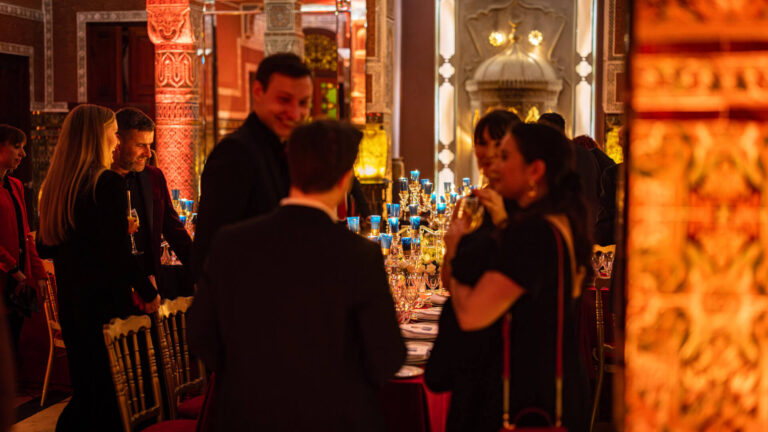
A programme may begin at a hotel in Hivernage or the Palmeraie, continue through the Medina and end with dinner outside the city. Each setting brings a different access pattern, temperature and transport requirement.
The answer is to make each movement earn its place and leave enough breathing room for guests to enjoy the change of setting. When seasonality, geography and group movement are considered from the beginning, the destination can feel wonderfully fluid. When they are addressed after the itinerary is already full, guests experience them as waiting, rushing and too much time in vehicles.
“In Marrakech, the best logistics are felt in the ease of the experience, never seen in the organisation behind it.”
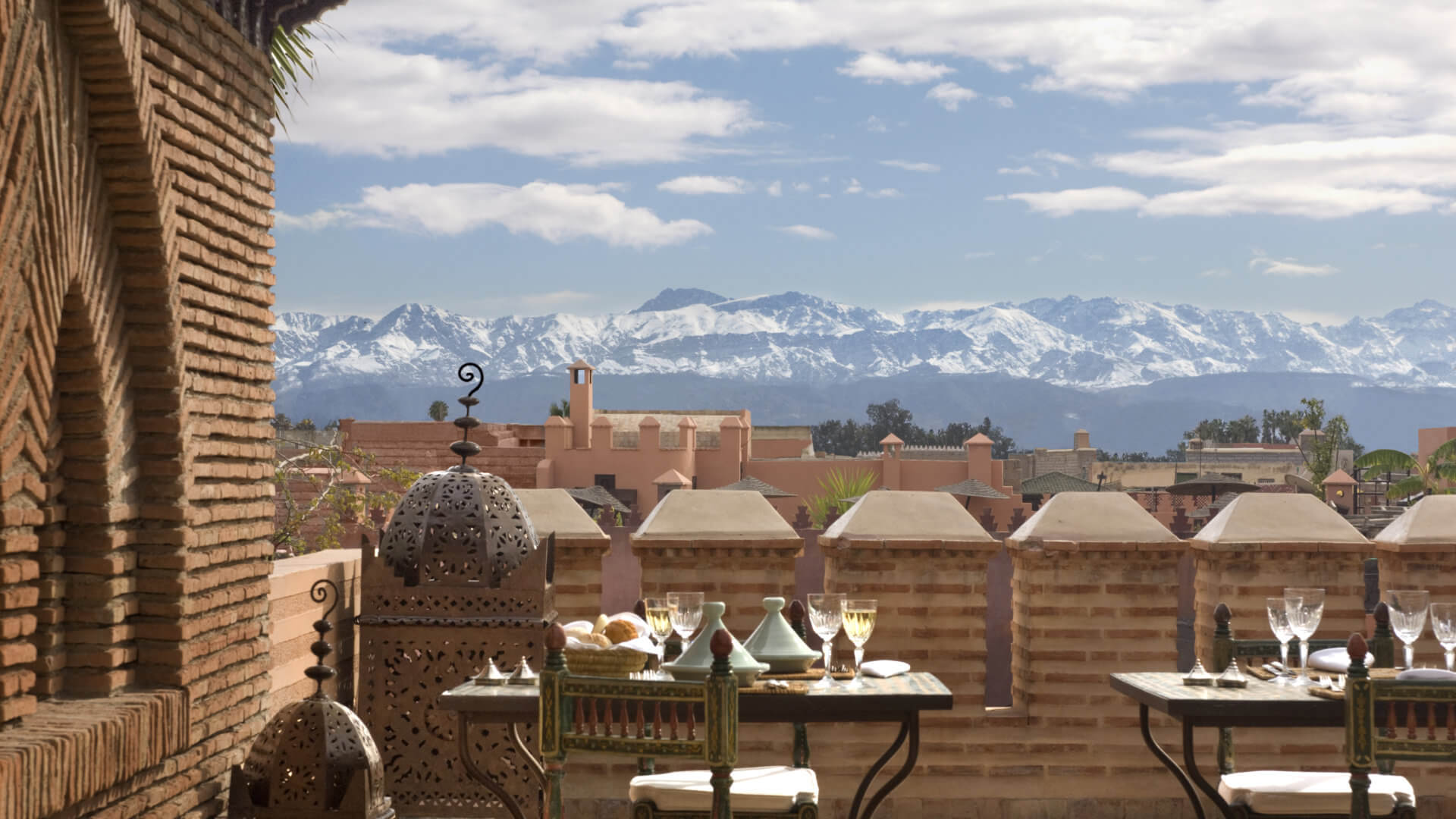
Marrakech does not offer one fixed set of conditions throughout the year. Its inland climate brings very hot summers, mild winter days and cooler evenings, with further changes when the programme moves towards Agafay or the Atlas foothills.
The Marrakech weather guidance is a useful starting point, but the practical question is not which season is universally best. It is how the programme should respond, and how that response should feel to the guest.
Seasonal planning at a glance
|
Planning period |
Guest-facing conditions |
Programme response |
|
Spring and autumn |
Warm days suit gardens, rooftops and Medina walks; cooler evenings can arrive quickly. Demand is also high. |
Source early, protect outdoor plans, brief guests on layers and avoid using afternoon warmth to set expectations for the evening. |
|
Summer |
Morning and evening can suit outdoor activity, while midday heat affects walking comfort, transfers and guest energy. |
Explore early, protect midday for lunch or rest, provide shade and cooled vehicles, and schedule social experiences later. |
|
Winter |
Days can be mild, with a marked drop after sunset, especially in Agafay or towards the Atlas foothills. |
Confirm heating and wind protection, give specific clothing advice and secure a properly sheltered alternative. |
These are planning patterns rather than fixed rules. Conditions still need to be checked for the programme dates and the precise settings being used.
Climate is only part of the calendar. Ramadan moves through the year and should be checked for every programme. Current Morocco travel guidance advises visitors to respect local customs and confirm opening hours during the holy month. Meal timing, supplier schedules, traffic before sunset and the general rhythm of the city may change. Hotels, venues and local partners should be consulted early so that the programme feels respectful and well judged.
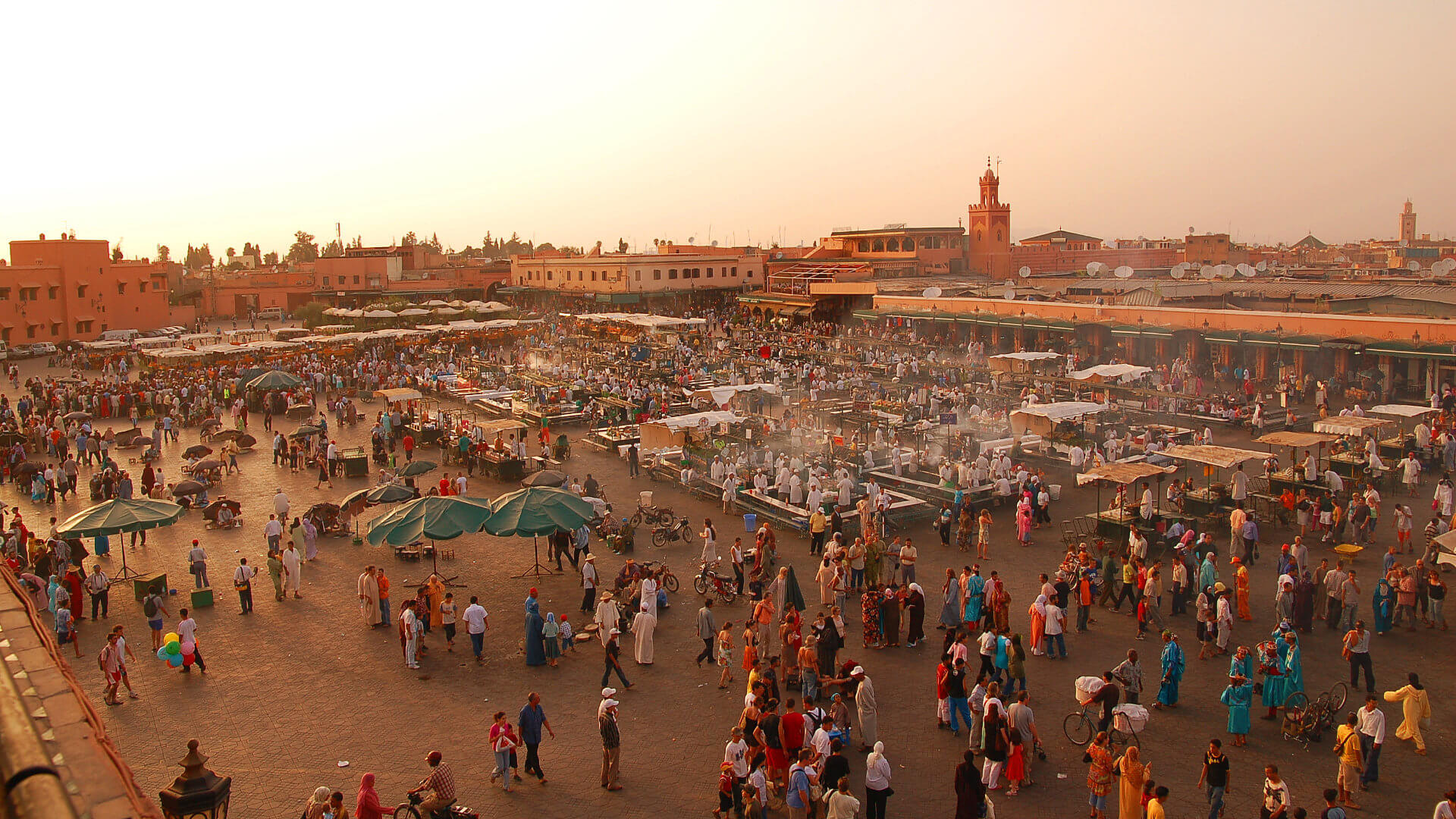
In Marrakech, choosing a hotel is also choosing a transport pattern. The Medina, Hivernage, Guéliz, the Palmeraie and resort areas beyond the centre do not function as one logistics zone.
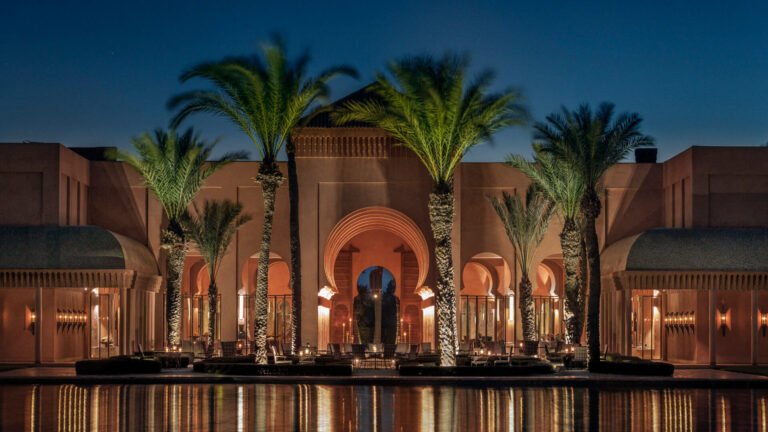
A spacious resort may be ideal for meetings, private dinners and relaxed time between activities. If most of the programme takes place in the historic city, however, that same property can create repeated transfers. A central hotel may simplify access to restaurants and cultural venues while offering less space for coaches, production or a large closing event. Neither is inherently the stronger choice. The right base is the one that supports the programme guests will actually experience.
Before bedrooms are contracted, place the hotel and proposed venues on the same map. Test routes at the times the group will travel, not only during a quiet site visit. Check where coaches can wait, whether departures must be staggered and what the hotel can offer if an off-site element has to change.
Keeping everyone in one property generally makes briefings, luggage handling, departures and the social atmosphere easier. A split stay can still work when inventory or programme requirements demand it, but each hotel then becomes a separate operational site. Both need a named lead, consistent information and their own dispatch plan. Room categories, amenities and welcome treatment should be compared carefully so that one property does not feel like the secondary option.
EVENTÔIR’s guide to planning a luxury corporate event in Marrakech explores the wider hotel and experience landscape. From a logistics perspective, the essential principle is simple: choose the hotel around the programme rather than forcing the programme to work around the hotel.
The guest journey begins before the welcome dinner. At Marrakech Menara Airport, international groups rarely arrive as one convenient unit. Flights land in waves, baggage takes different lengths of time and some participants may require assistance or a private transfer.
To keep that first handover calm, the airport plan should cover:
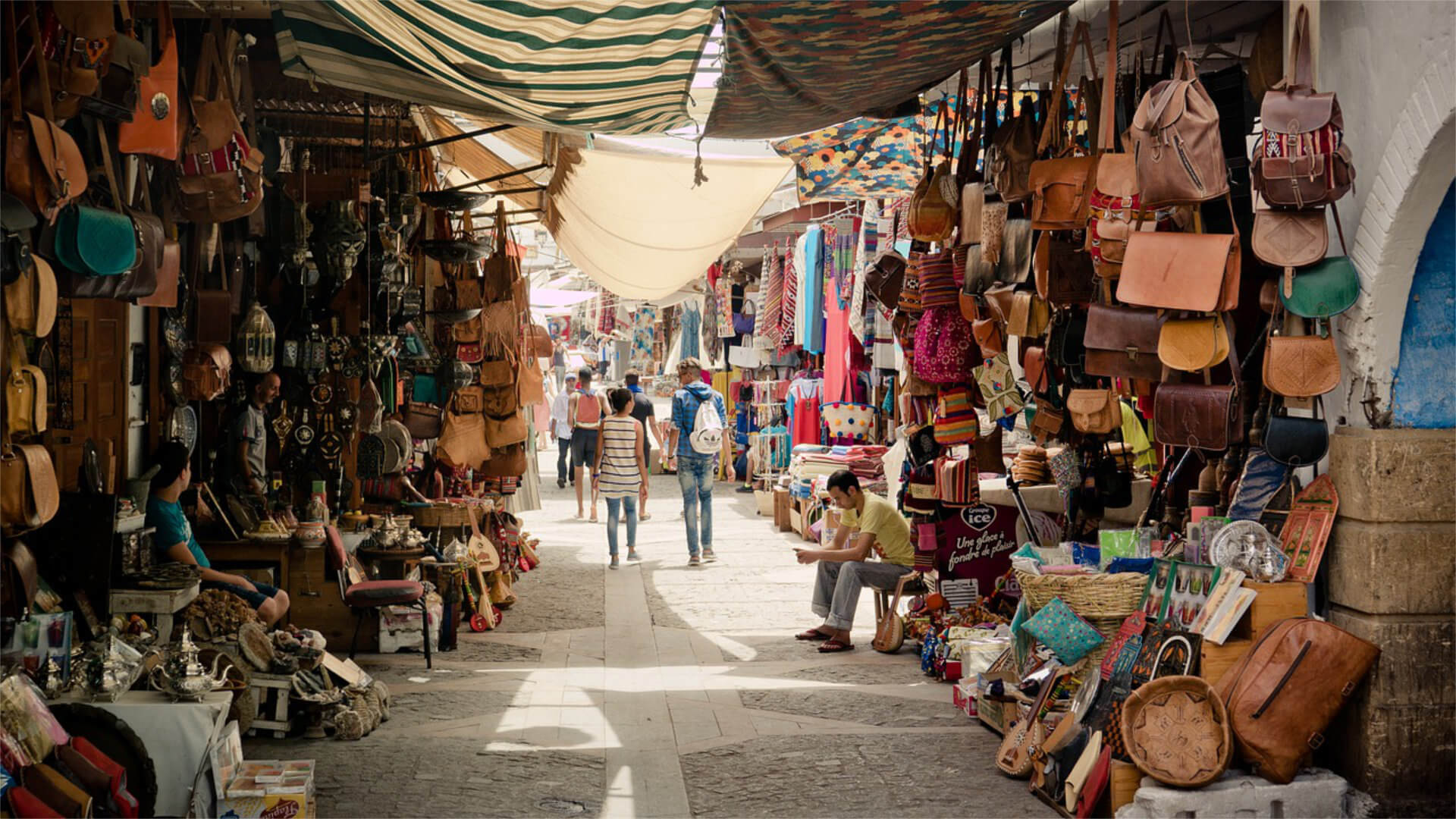
The same thinking applies at the Medina, although the transport changes. The UNESCO-listed Medina of Marrakesh is a living historic centre shaped by narrow lanes, workshops, souks and traditional houses. That texture is central to the experience, but it makes conventional door-to-door coach movement unrealistic for many venues.
The main transfer and the final approach should therefore be planned separately. Larger vehicles bring guests to a tested drop point; smaller vehicles, walking routes or guides complete the journey. Staff should already be in place when the group arrives, with named guides, clear group identifiers and agreed regrouping points.
For a larger incentive, smaller guest groups move through the Medina more comfortably than one long procession. They create less congestion, hear their guides more easily and can access intimate spaces. Different routes can still converge for lunch, a private visit or an evening event.
Accessibility needs its own considered route. Walking distance, steps, uneven surfaces, rest points and the closest practical vehicle access should be checked in person. A shorter approach should offer the same quality of welcome and content, rather than feeling like a reduced alternative arranged at the last moment.
Departure day completes this chain of handovers and deserves a fresh plan. Different flight times, extra luggage, hotel extensions and last-minute room queries can quickly disrupt a simple reverse transfer. Staggered departures keep the lobby calm, protect realistic airport lead times and help the programme finish with the same composure with which it began.
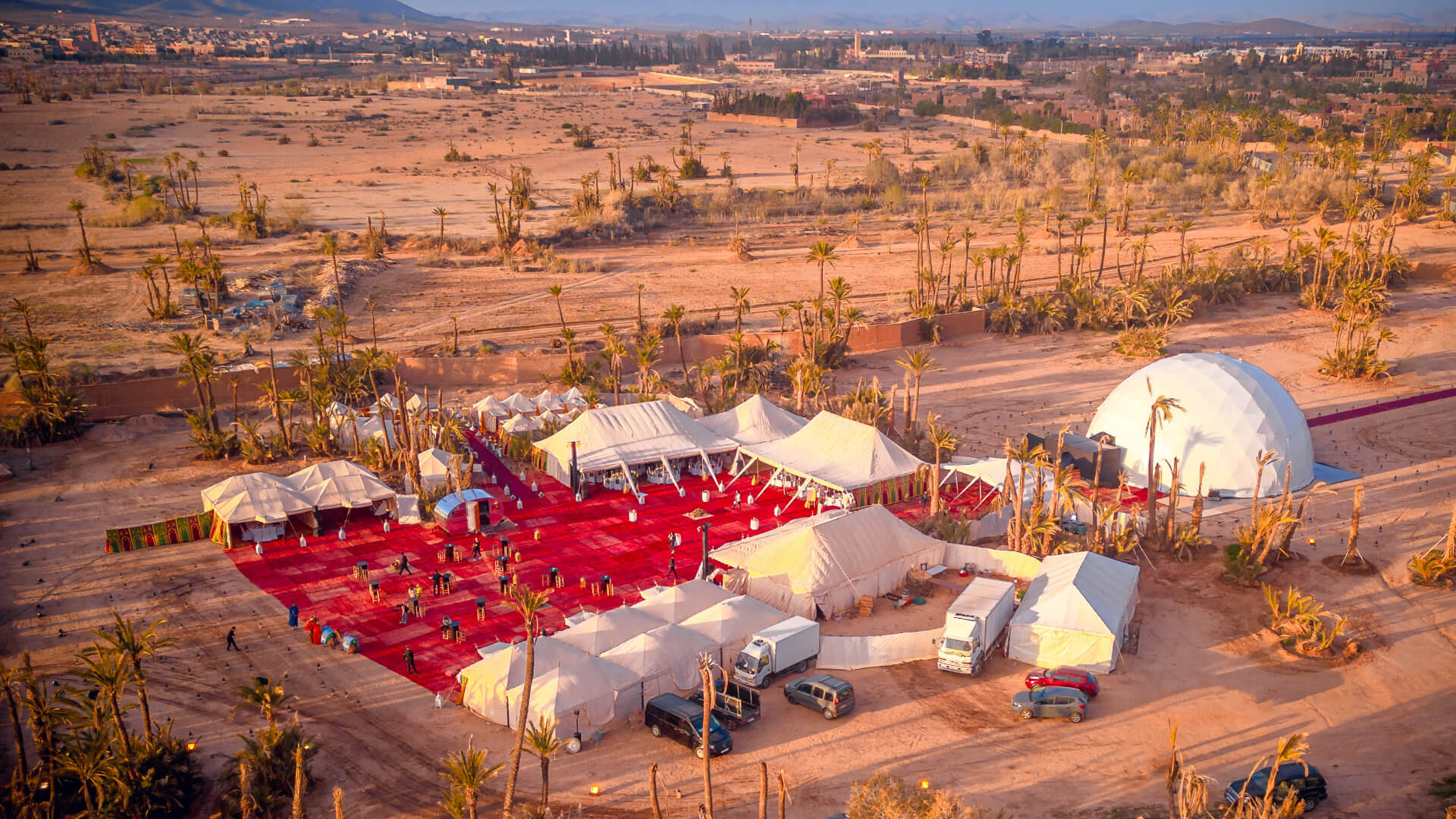
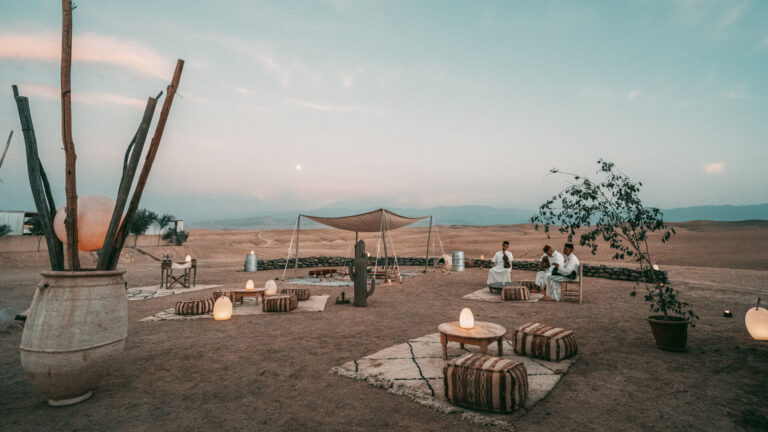
Part of Marrakech’s appeal is how quickly an urban programme can open into a different landscape. Agafay, the Palmeraie and the Atlas foothills can each add a distinctive note, but they are not interchangeable excursions.
An evening in Agafay needs to be planned from the return journey backwards. The final approach, road condition, vehicle suitability, parking, lighting, medical access and departure sequence all need confirmation. Guests may travel out in daylight and return after dark, when convoy spacing matters more. A spare car offers flexibility if a guest needs to leave early.
An Atlas experience requires an exact destination, not a broad regional label. Altitude, road access, turning space, walking requirements and weather can vary considerably. On a short incentive, a mountain day should add something the city cannot provide, whether that is activity, privacy, landscape or a genuine change of perspective. If the experience does not justify the movement, it may be better left for another programme.
The Palmeraie can offer gardens, large-scale hospitality and a sense of openness without the same journey as Agafay or the mountains. It still has its own practical questions. Resort entrances may be far apart, properties can have extensive internal routes and city traffic can affect the timetable.
The wider lesson is one of restraint. Cluster experiences geographically and avoid crossing Marrakech repeatedly for small gains. A longer transfer can be worthwhile when the destination at the end changes the mood of the programme. An additional venue that repeats what guests have already experienced usually cannot.
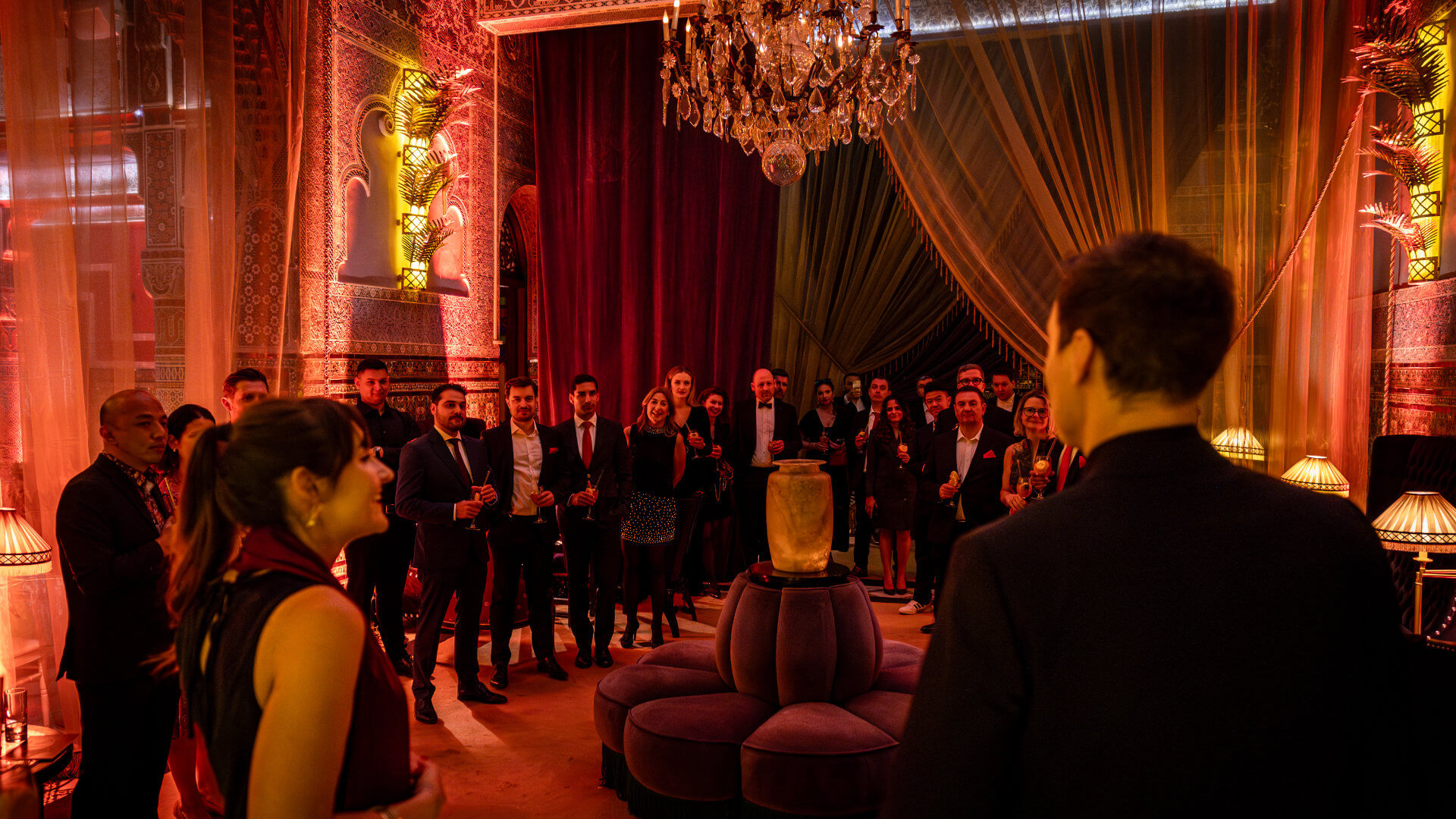
Large groups do not need to move as one body throughout the programme. Well-designed rotations can reduce queues, work with venue capacity and make cultural encounters feel more personal. The important thing is for the complexity to remain with the event team.
Each guest group needs an easy identifier, an assigned host and a programme of comparable quality. Guides and vehicles should remain clearly allocated, with enough time between rotations to absorb a delay. Operational changes should pass through one control point. Guests should only need to know where to meet, when to leave and what comes next.
Pacing is equally important. Marrakech already offers strong contrasts, so the programme does not need constant relocation to feel rich. One day might centre on the Medina, with smaller cultural experiences and a shared evening. Another might keep the morning relaxed before a purposeful journey beyond the city. Arrival day can use a hotel-based welcome that guests join naturally as flights land. The final morning should protect an orderly departure rather than squeeze in one last activity.
EVENTÔIR’s Marrakech company-trip project shows how multiple hotels, cultural immersion and a shared evening can form one coherent guest journey. The point is not to copy a particular itinerary. It is to understand how movement, rest and shared moments support one another.
Behind that ease sits a clear local structure. The team may include an airport lead, transport controller, hotel leads, route hosts, an advance producer and someone authorised to approve changes. Drivers need precise entrances, staging positions and departure orders. Guests need far less information, presented at the right moment.
Contingency planning should also be specific. For every weather-sensitive experience or important transfer, the team should know what could trigger a change, who is monitoring the conditions, when a decision must be made and how the alternative will be communicated. A backup should protect the atmosphere and purpose of the original plan, not merely move the group indoors.
Efficient movement can support a more responsible programme too. Clustering activities reduces city crossings and empty mileage, while right-sizing vehicles avoids large coaches for small arrival waves. Working with local guides, makers, performers and food suppliers keeps more value within the destination. EVENTÔIR’s wider Morocco destination perspective offers more context for approaching the country’s hospitality, culture and landscapes thoughtfully.
Marrakech does not need to be overfilled to feel rewarding. Its character is already present in its architecture, food, gardens, craft and sudden changes of landscape. Good incentive planning creates enough structure for guests to enjoy those qualities without seeing the operational effort behind them. It also knows when to leave space.
When the season sets the rhythm, the hotel supports the geography and every movement has a purpose, Marrakech can feel generous and remarkably effortless, even for a large international group.
If you are considering Marrakech for an incentive and would like to test the season, routing or programme structure before committing, contact EVENTÔIR for an experienced planning perspective.

Managing Director @ EVENTÔIR
With 12 years of global event-management experience, Jacqueline leads teams that translate corporate objectives into emotionally resonant, seamlessly executed experiences.
Plan a CEO programme in Amsterdam with practical advice on executive venues, canal logistics, private access and well-paced experiences.
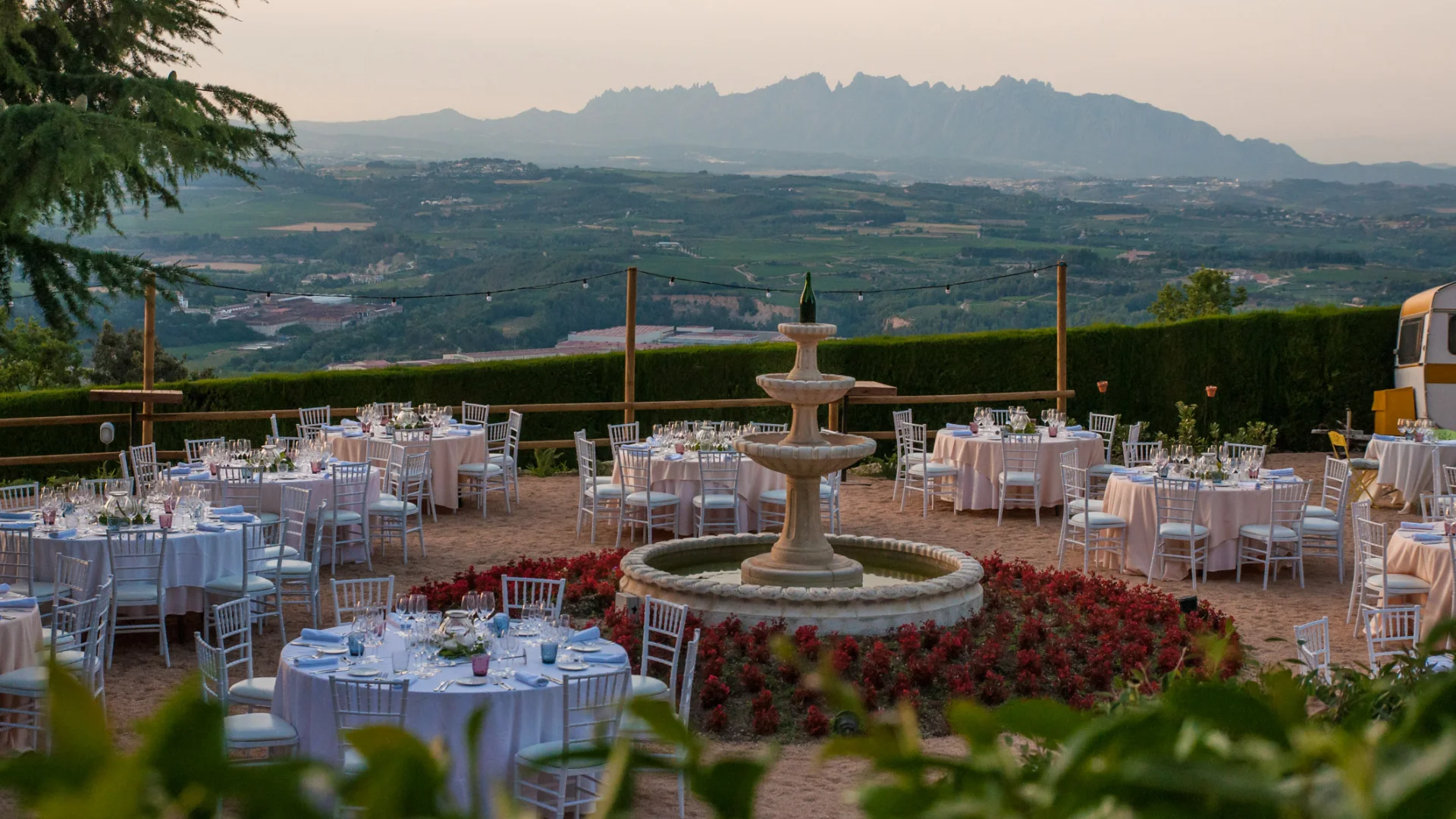
A practical guide to designing a discreet, high-value CEO or pharma leadership programme in Europe, with planning lessons from Paris, Chantilly and Milan.
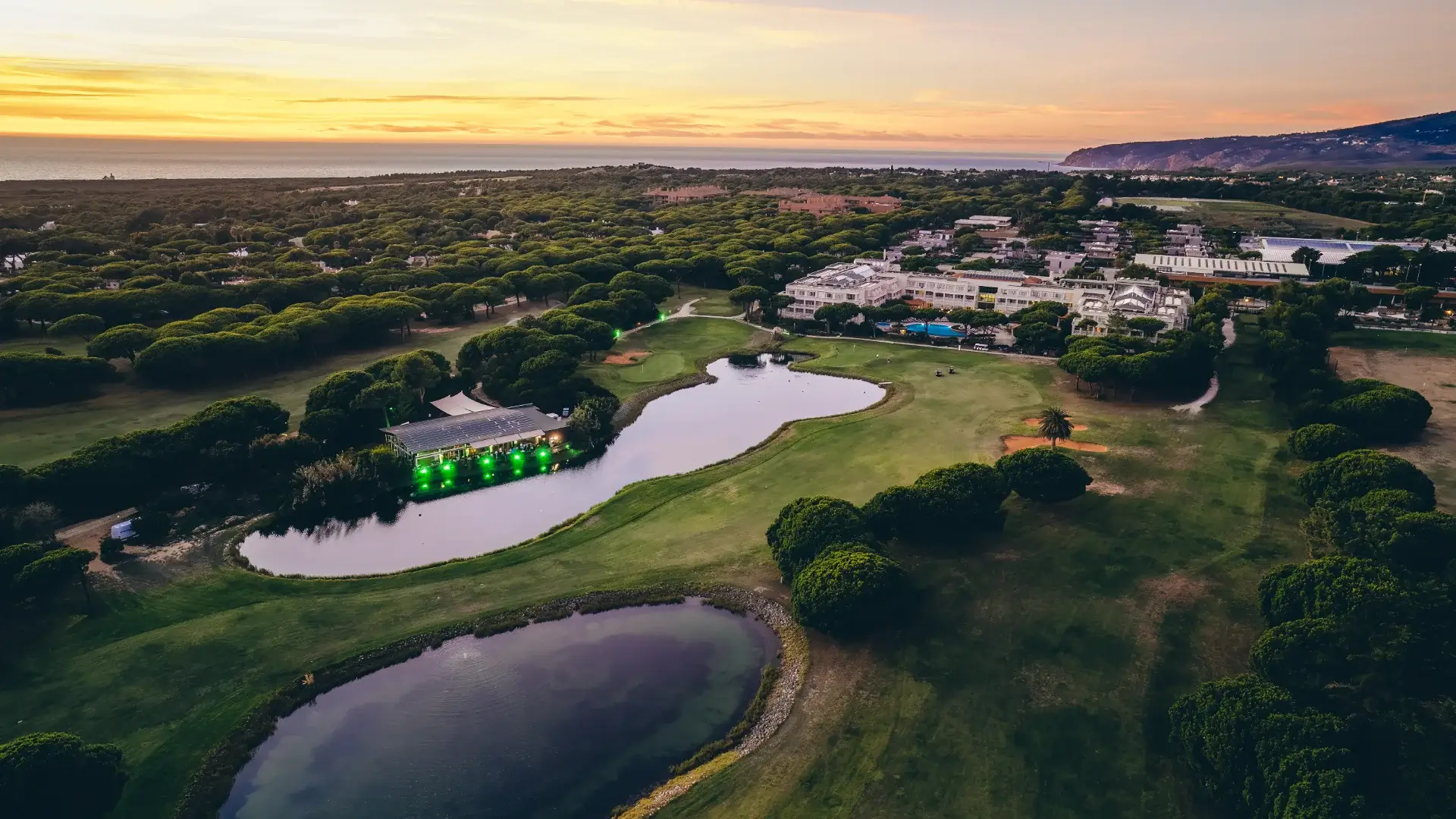
Plan a corporate retreat in Europe with practical guidance on agency support, budget allocation, lead times and destination decisions.

With more than 20 years of experience in international event coordination, Conny is known for her proactive approach, strong problem-solving skills, and meticulous attention to detail. She anticipates challenges with ease and ensures every aspect of an event is planned to perfection.
Fluent in German, English, and Spanish, Conny’s positive, sociable nature allows her to adapt effortlessly to diverse situations and teams. She is passionate about creating structured, memorable events that run seamlessly from start to finish.
In her free time, she enjoys spending time with her partner and friends, being in nature, and dreaming of one day having a home with a large garden full of animals.

With over 25 years of experience in national and international corporate events, Lidia specializes in the automotive and MICE sectors across Europe. Her German–Spanish heritage and fluency in Spanish, German, and English give her a unique intercultural perspective, allowing her to quickly adapt to client needs.
Lidia is passionate, proactive, and flexible — equally comfortable leading projects or collaborating within a team. Known for her strong communication and negotiation skills, she is dedicated to creating events that exceed expectations for both attendees and organizers.
In her free time, she enjoys exploring new countries and cultures and spending time with dogs.
With 12 years of experience in international event management, Jacqueline leads Eventôir with a clear vision: to create seamless, high-impact events that leave a lasting impression. Having grown up in Spain, she works fluently in English, Dutch, and Spanish, which allows her to collaborate effortlessly with clients and partners around the world.
She has successfully delivered complex projects for global brands, including multi-day programs for up to 7,000 participants across 20 venues. Known for her meticulous planning, creative concepts, and ability to unite diverse stakeholders, Jacqueline blends business objectives with memorable guest experiences. Her flexibility and attention to detail have earned her a reputation as a trusted partner for brands seeking both elegance and flawless execution.
Outside of work, she is passionate about exploring new destinations and planning unforgettable trips. She enjoys staying active with nature hikes, gym workouts, Reformer Pilates, and Yin Yoga. She also loves cooking Mediterranean-inspired dishes, good coffee, and photography, with a special interest in interior design.