How to Choose the Right Destination for Your Corporate Event
Learn how to choose the right destination for your corporate event with a five-filter framework covering format, flights, group size, season, and budget.
The best corporate event destinations in Europe right now are Amsterdam, Barcelona, Madrid, Lisbon, Porto, Paris, Rome, Milan, Oslo, and Brussels. Each offers reliable flight connections, enough venues and hotels for groups from 30 to 700 people, and something attendees can’t get at home. Which one fits your event depends less on the city’s reputation and more on your group size, season, and format.
That last sentence is the part most lists skip.
We’ve produced events across these cities since 2017, and the honest pattern is this: companies pick destinations the way travelers pick holidays, by appeal. Then reality arrives. Flight routes, transfer times, venue availability, and seasonal pricing decide more about how an event lands than any skyline does.
So before the list, the rules we judge by.
Four things, in the order they usually get overlooked.
Flights. Count the direct routes from your attendees’ top five home cities, not from your own office. One connection for half your guests adds a day of tiredness to a three-day program.
Venues at your group size. A city can be excellent at 800 people and frustrating at 60, or the other way around. The list below tells you which is which.
Season. Southern Europe in July costs peak holiday prices because it is peak holiday season. The same Lisbon program costs clearly less in March, and runs cooler too.
Something you can’t copy at home. If the venue could sit in any business district anywhere, attendees notice. Every city below passes this test in its own way.
For 2026, Cvent’s ranking of Europe’s top meeting destinations puts Barcelona, Madrid, Lisbon, and Paris in the top five. That matches the demand we see from our own clients.
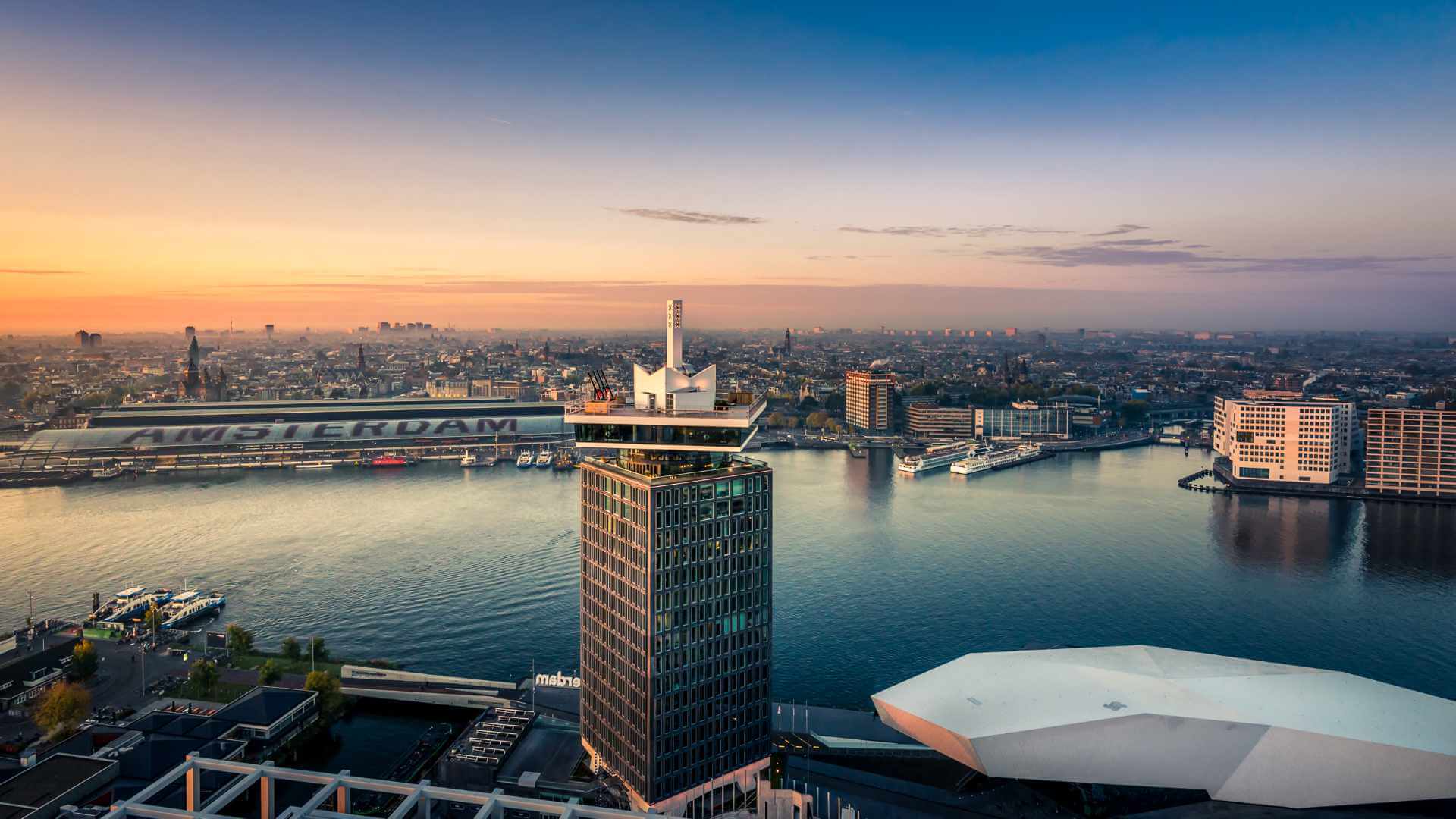
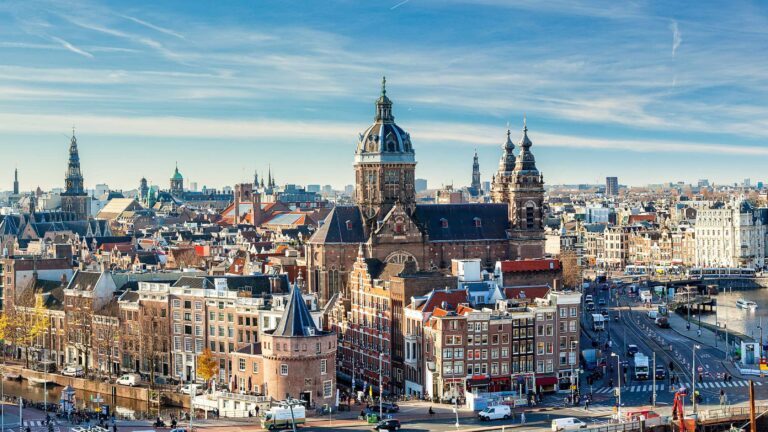
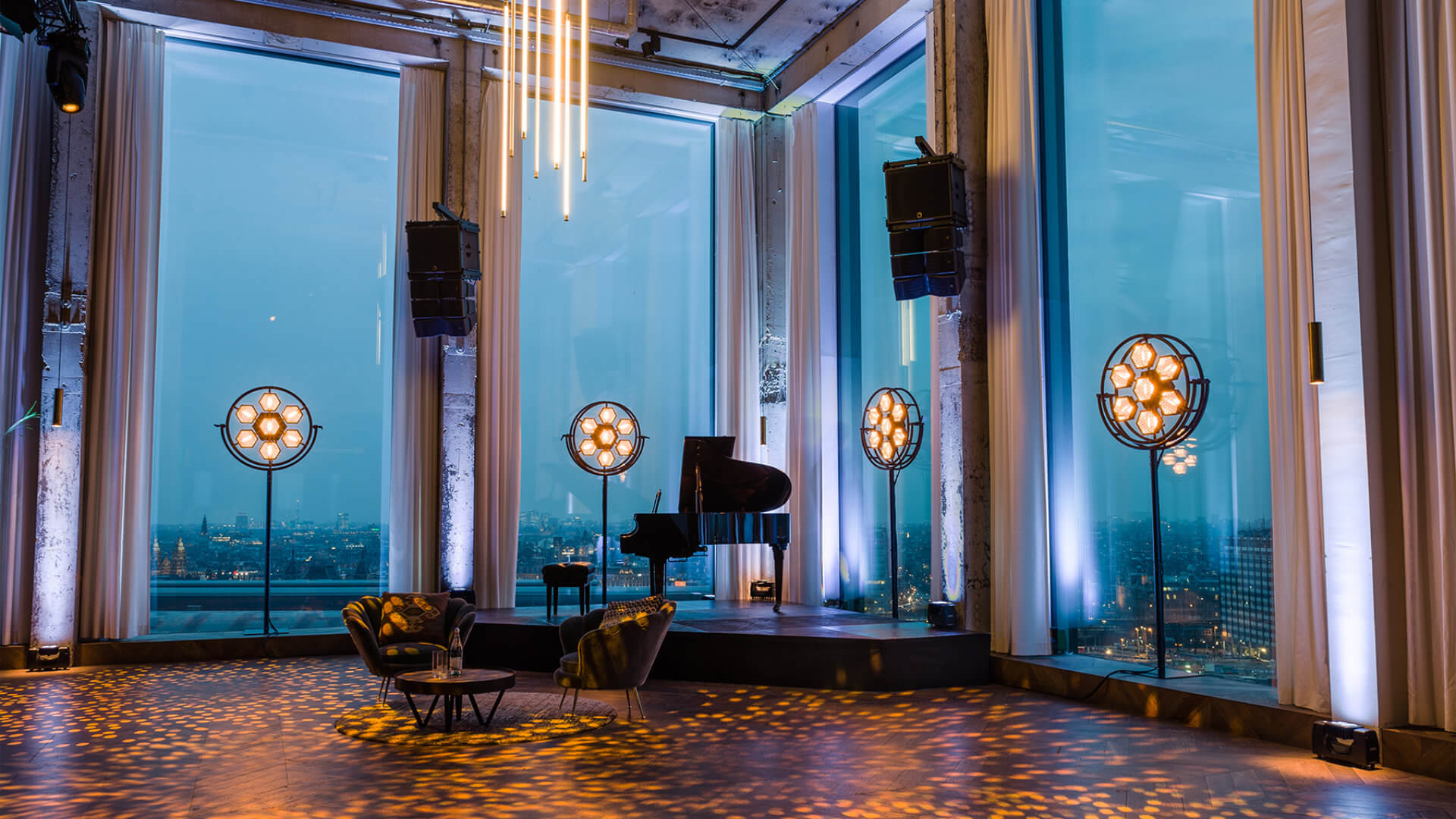
Amsterdam is the logistics benchmark. Schiphol flies direct to nearly every major business city in Europe, the Middle East, and North America, and the train to the center takes under 20 minutes.
What makes the Netherlands unusual is how much sits close together: canal-house boardrooms, converted industrial halls, museum venues, and big conference hotels, all in one walkable center. Groups move between sessions on foot or by bike instead of sitting in coaches, and that changes the energy of a multi-day program.
It’s our home city, so we’ll say the unglamorous part out loud: book early. Amsterdam’s venue calendar fills 9 to 12 months ahead for spring and September dates.
Barcelona sits near the top of Europe’s meeting rankings year after year, and it earns it. Few cities handle a 700-person conference and a 40-person leadership offsite with the same ease, and the climate keeps outdoor formats workable from March through November.
EVENTÔIR was founded here, and we still treat the city as a production base rather than just a pretty destination. The supplier depth is real: staging, AV, staffing, and transport all exist at scale.
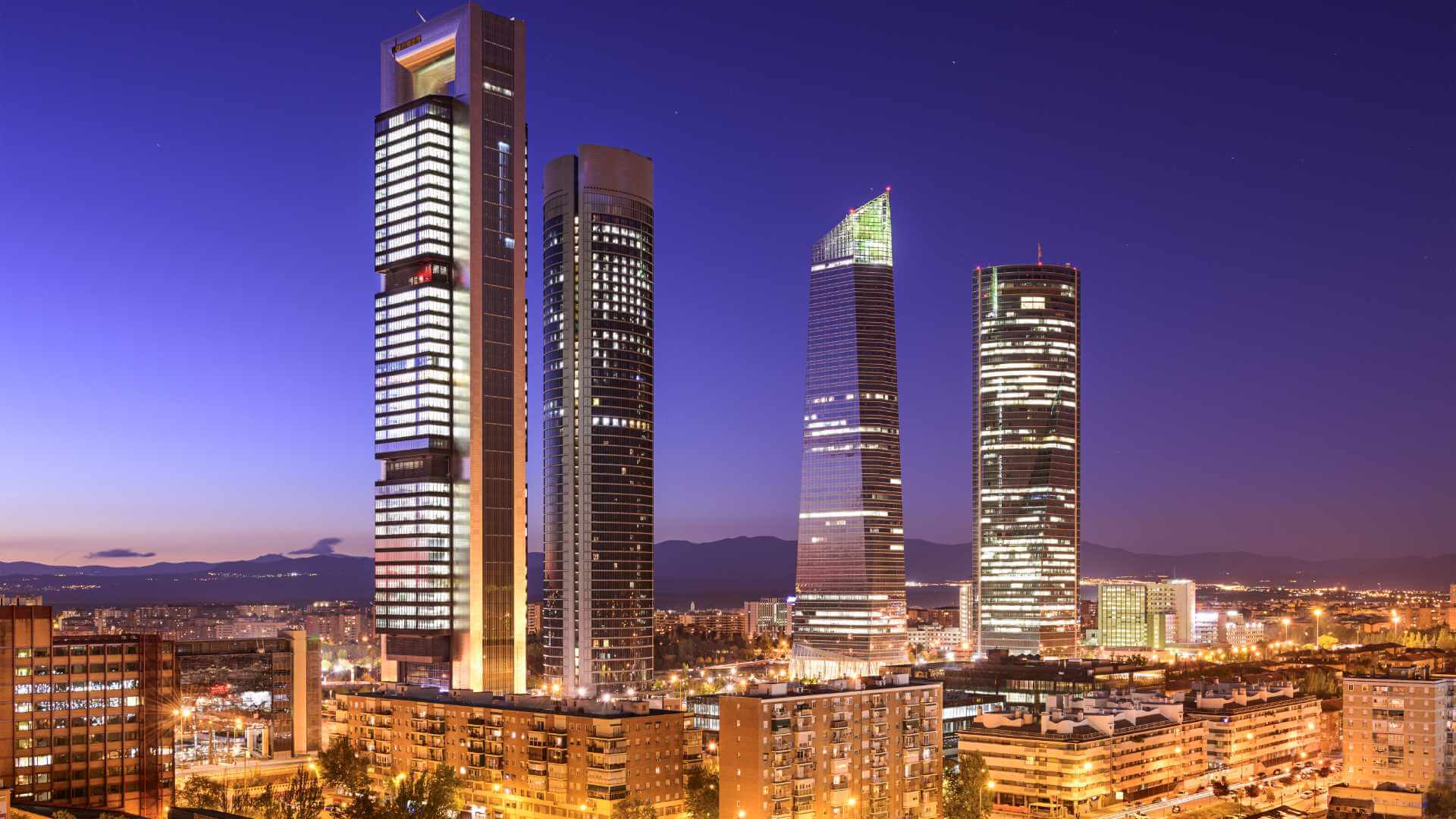
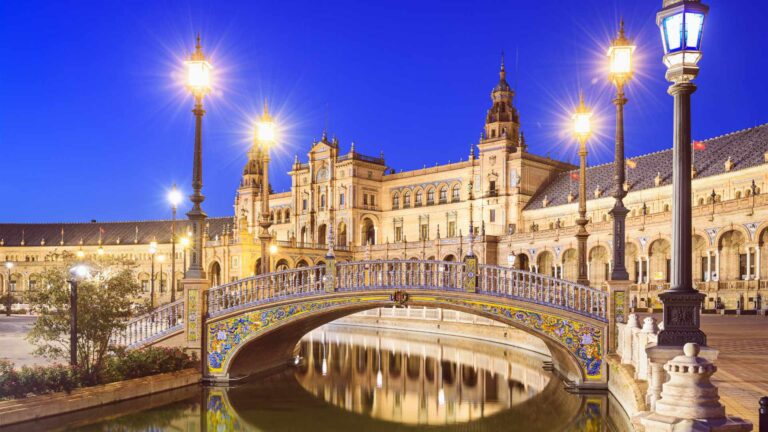
Madrid took the crown as Europe’s best destination for 2026 in at least one major ranking, and for large corporate formats it’s hard to argue. The IFEMA exhibition grounds handle launches and summits at a scale most cities can’t, and the hotel scene has grown sharply at the top end.
Madrid works best for big, ambitious, city-energy events. For coastal calm, look elsewhere in Spain: Sitges, Mallorca, and Andalusia carry the incentive and reward side of the country.
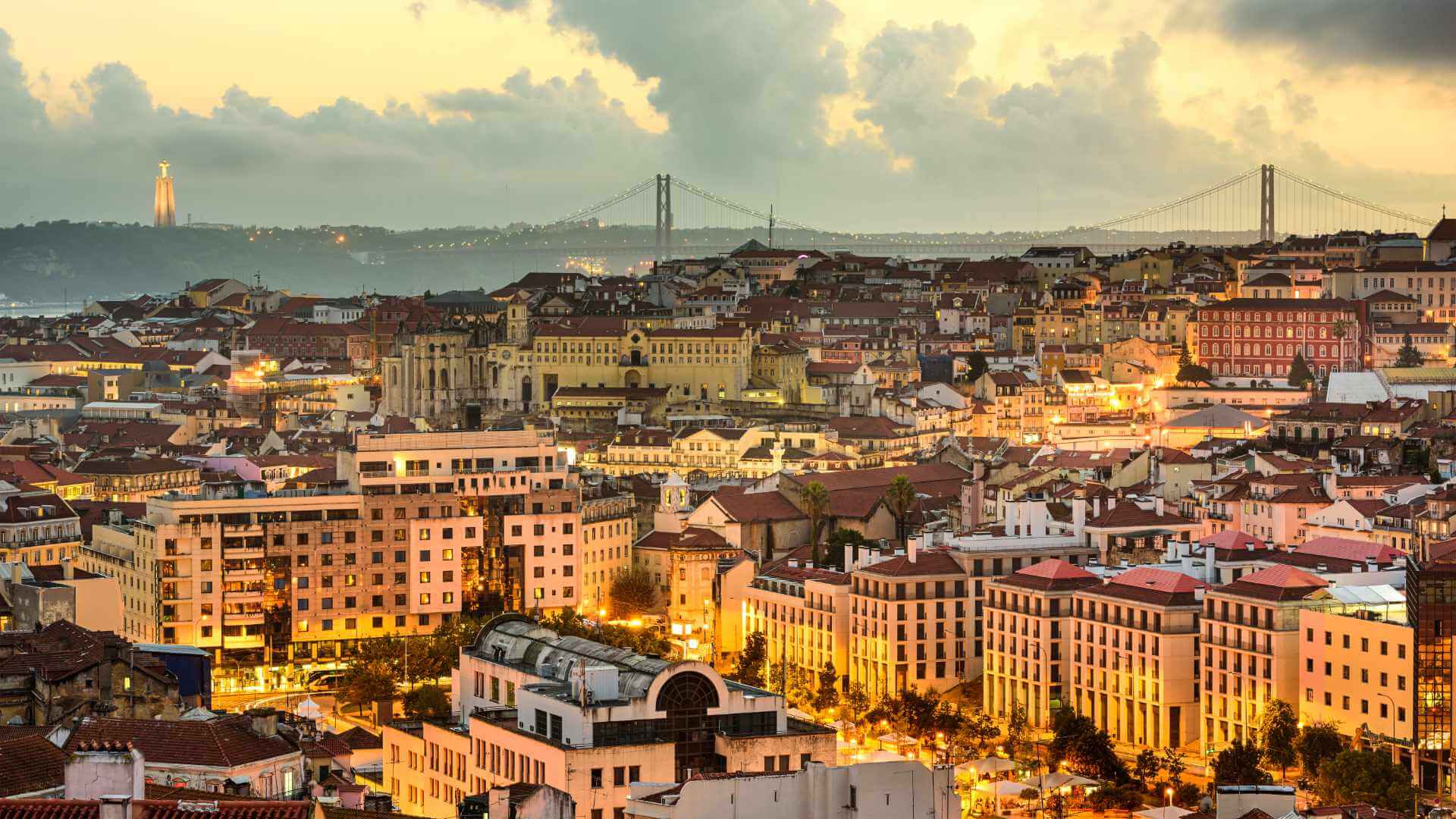
Lisbon climbed to fourth place in Europe’s 2026 meeting rankings, so the era of calling it an insider tip is over. What’s still true: Portugal delivers five-star hotels, Atlantic-coast venues, and excellent food at 20 to 30% below what a similar program costs in Paris or London.
The strongest pairing is Lisbon plus Cascais. Conferences run in the capital. Senior offsites move 30 minutes west to the coast, where properties like The Oitavos give groups ocean-facing privacy.
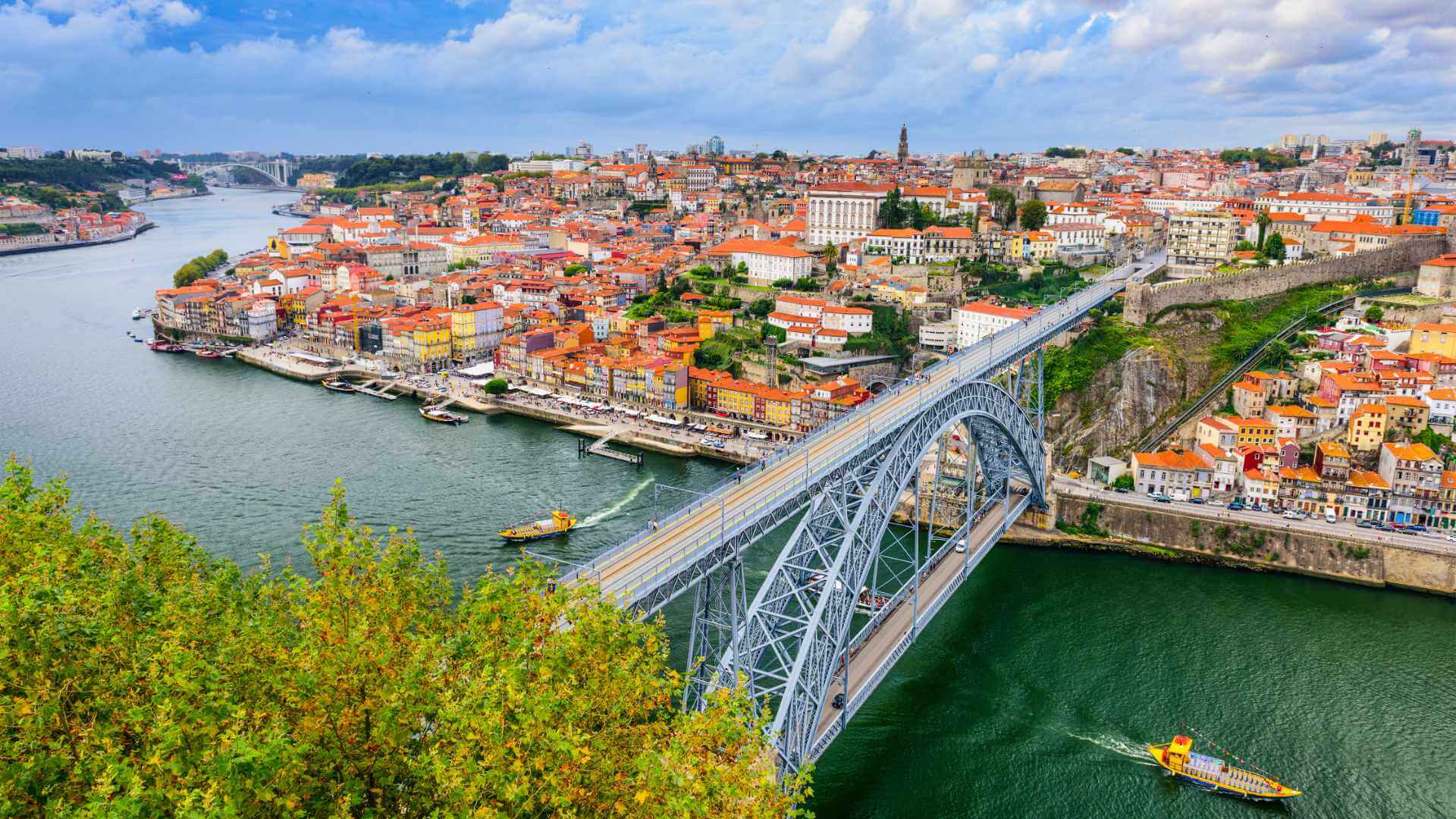
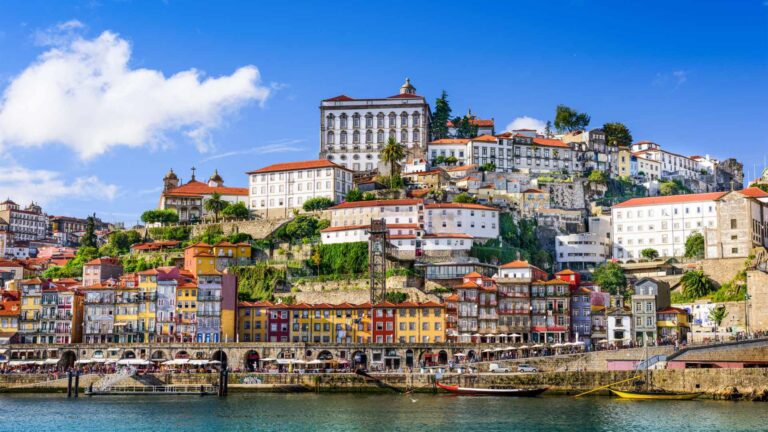
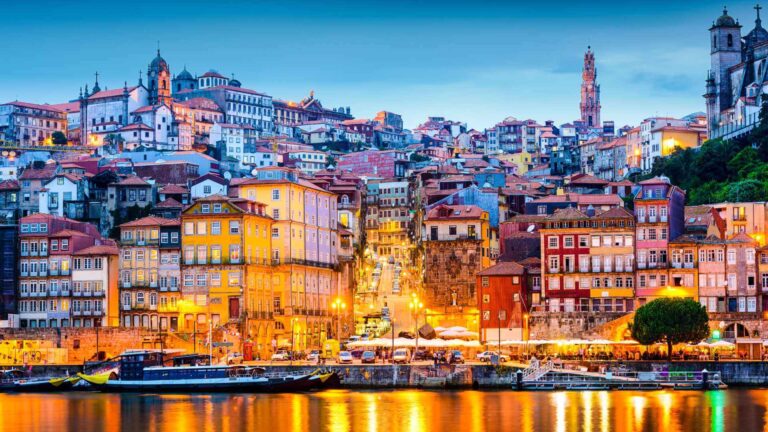
Porto isn’t a trending destination. It’s been quietly hosting strong corporate events for years, and the teams who’ve planned there know exactly why: river-valley scenery, wine-cellar venues you can privatise, and prices that undercut Lisbon’s.
We’ve taken a company trip to Porto ourselves, and our honest view is that the north deserves more corporate attention than it gets. Groups under 150 fit best.
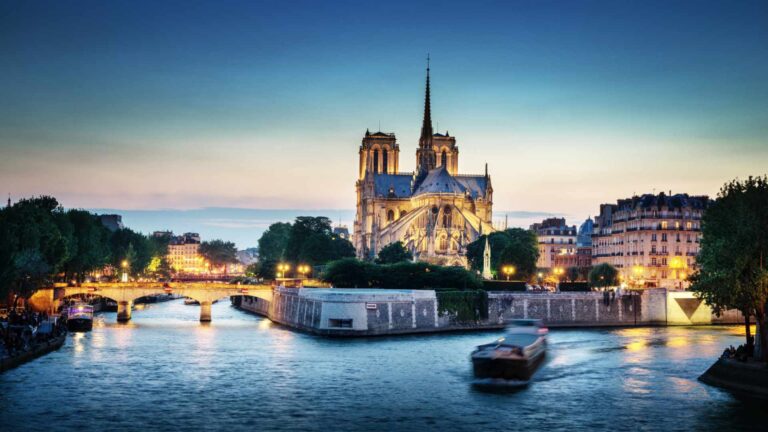
Paris needs no introduction, which is exactly the thing to manage. For client-facing events, galas, launches, and investor dinners, France carries a weight no other city matches. When the guest list includes people you want to impress rather than reward, Paris earns its premium.
For internal events, that premium is harder to defend. A Paris program often costs what two programs cost elsewhere. Spend the Paris budget where outside perception is the point.
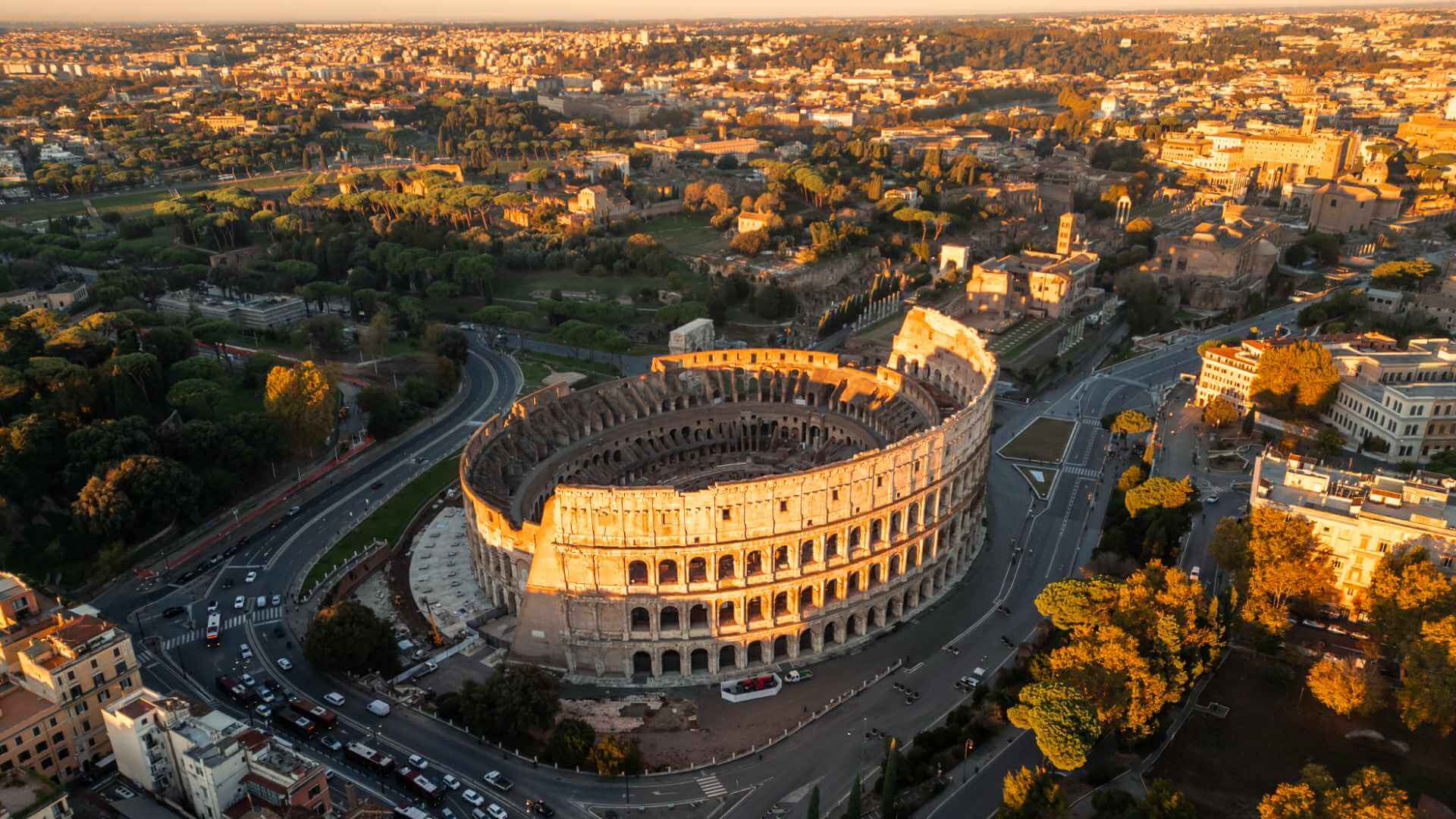
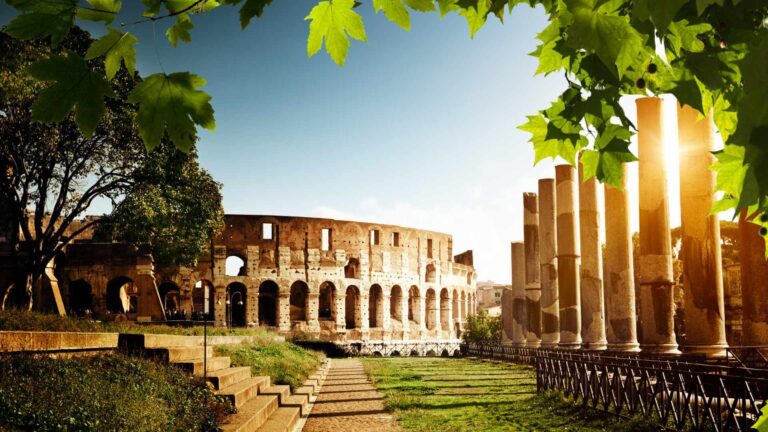
Rome works differently from every other city on this list. It isn’t efficient. It is, however, the strongest backdrop in Europe for leadership summits and milestone celebrations, the formats where a sense of history does real work on the room.
Italy rewards events built around long evenings: private palazzo dinners, terrace receptions, food done slowly and properly. Book Rome for autumn or late spring, keep the program unhurried, and keep the group under 200.
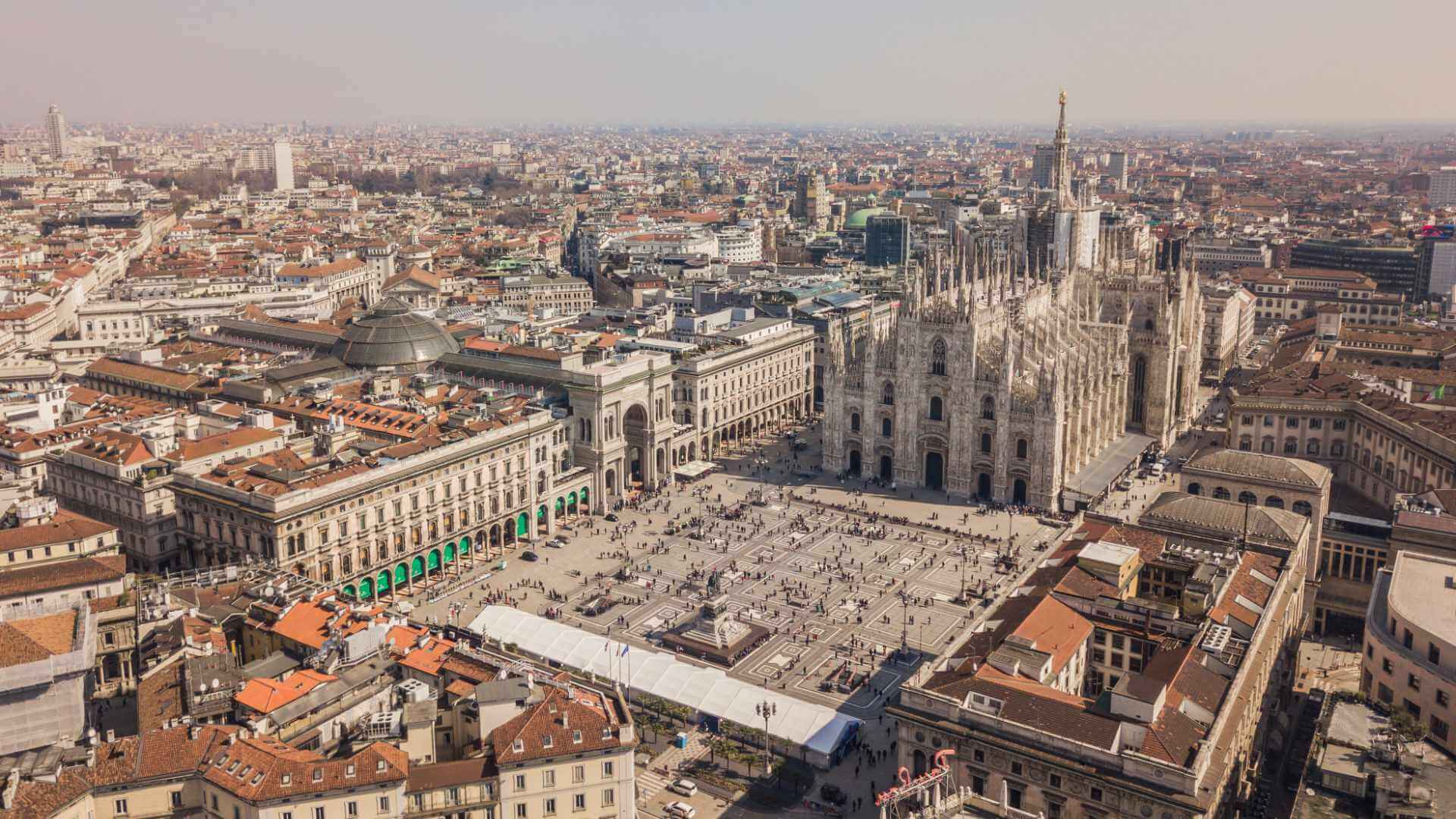
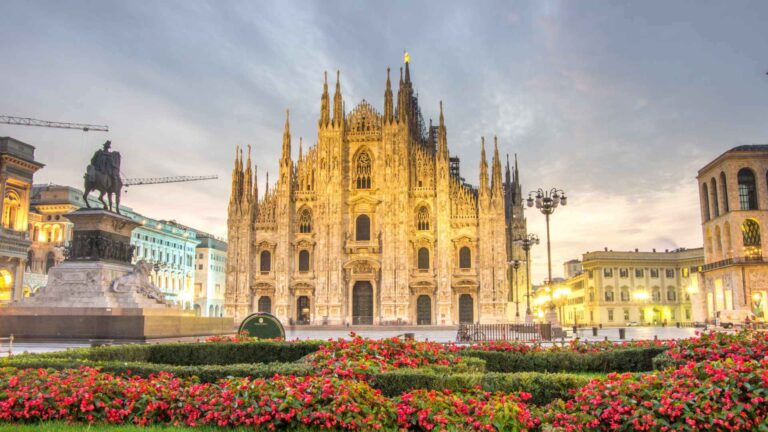
Where Rome brings history, Milan brings infrastructure. Two airports, Europe’s strongest design and fashion identity, and a dense calendar of trade fairs that proves the city knows how to host at scale.
That fair calendar is also the catch. Salone del Mobile and fashion weeks send hotel prices through the roof on published dates you can check years ahead. Avoid those weeks and Milan delivers sharp, modern venues with far less tourist noise than Rome or Venice.
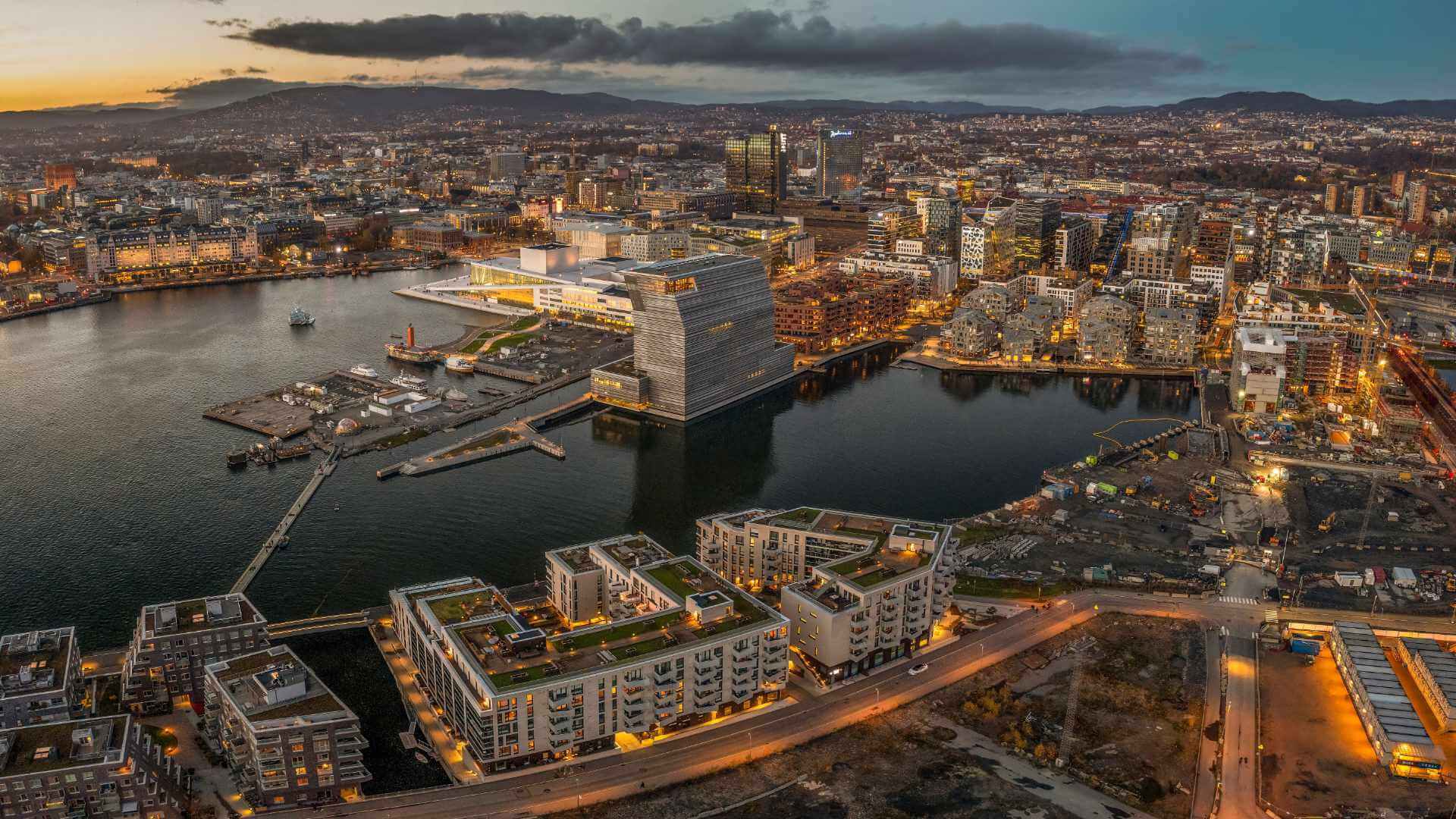
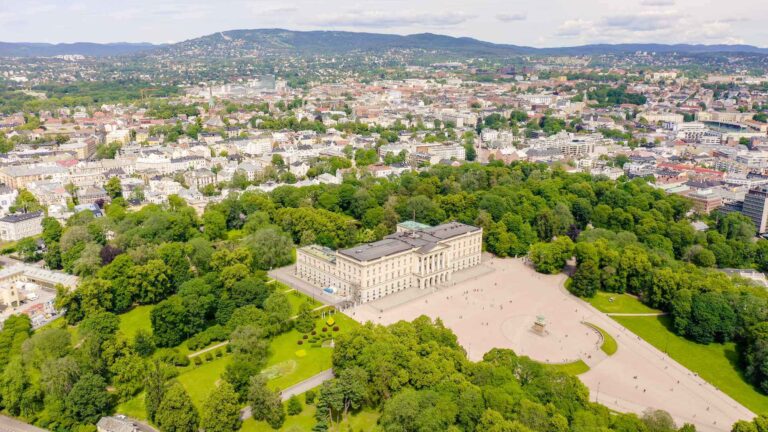
Here’s the one most planners skip, and shouldn’t. While everyone chases the sun, Norway delivers the programs attendees still talk about years later: snow-mountain team formats, fjord-side meetings, and Nordic design that photographs beautifully.
Winter is the feature, not the problem. We’ve produced meetings in Oslo where the February setting did more for group bonding than any beach format we’ve run. Norway also leads Europe on sustainability, which increasingly matters in procurement reviews.
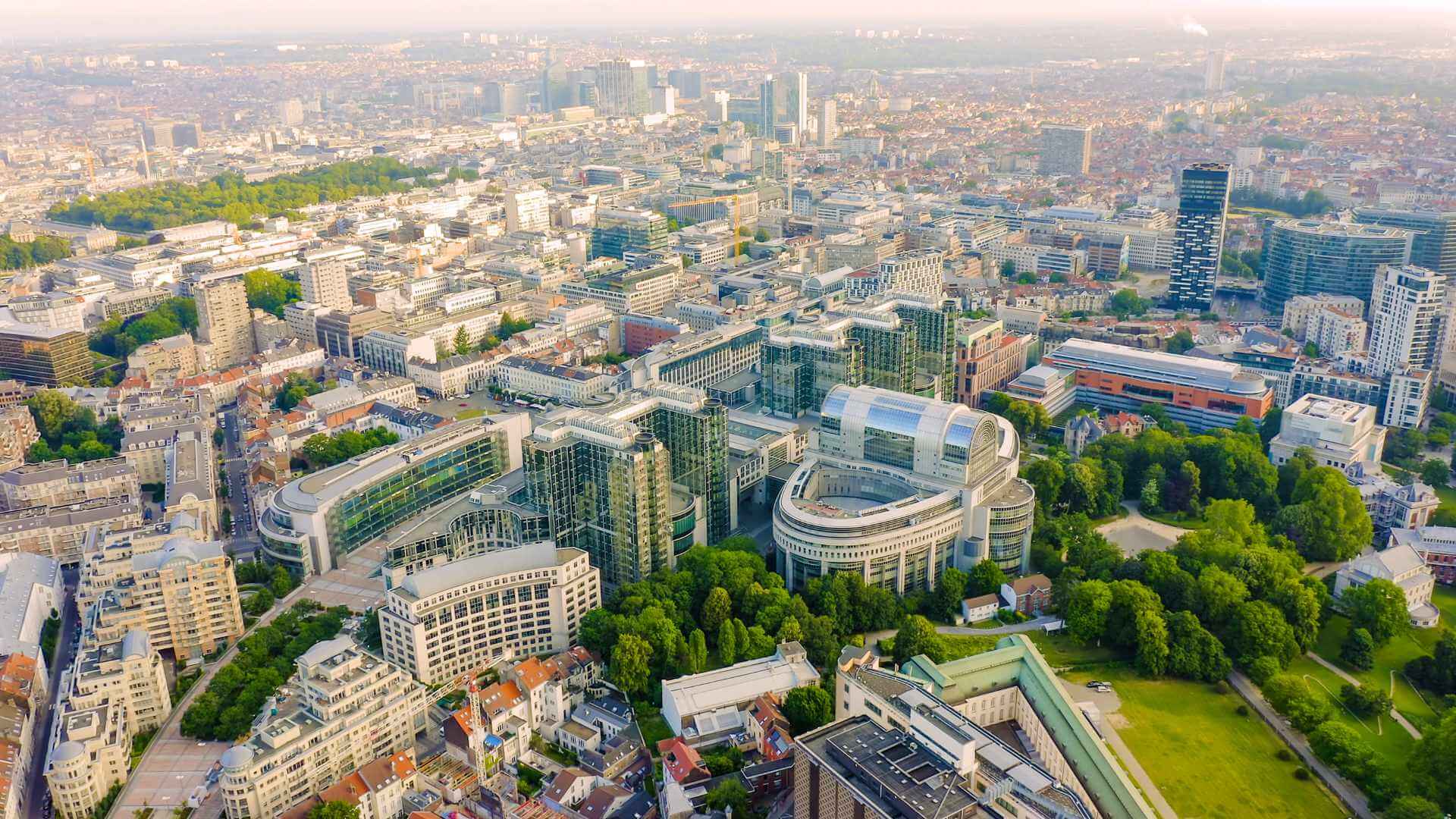
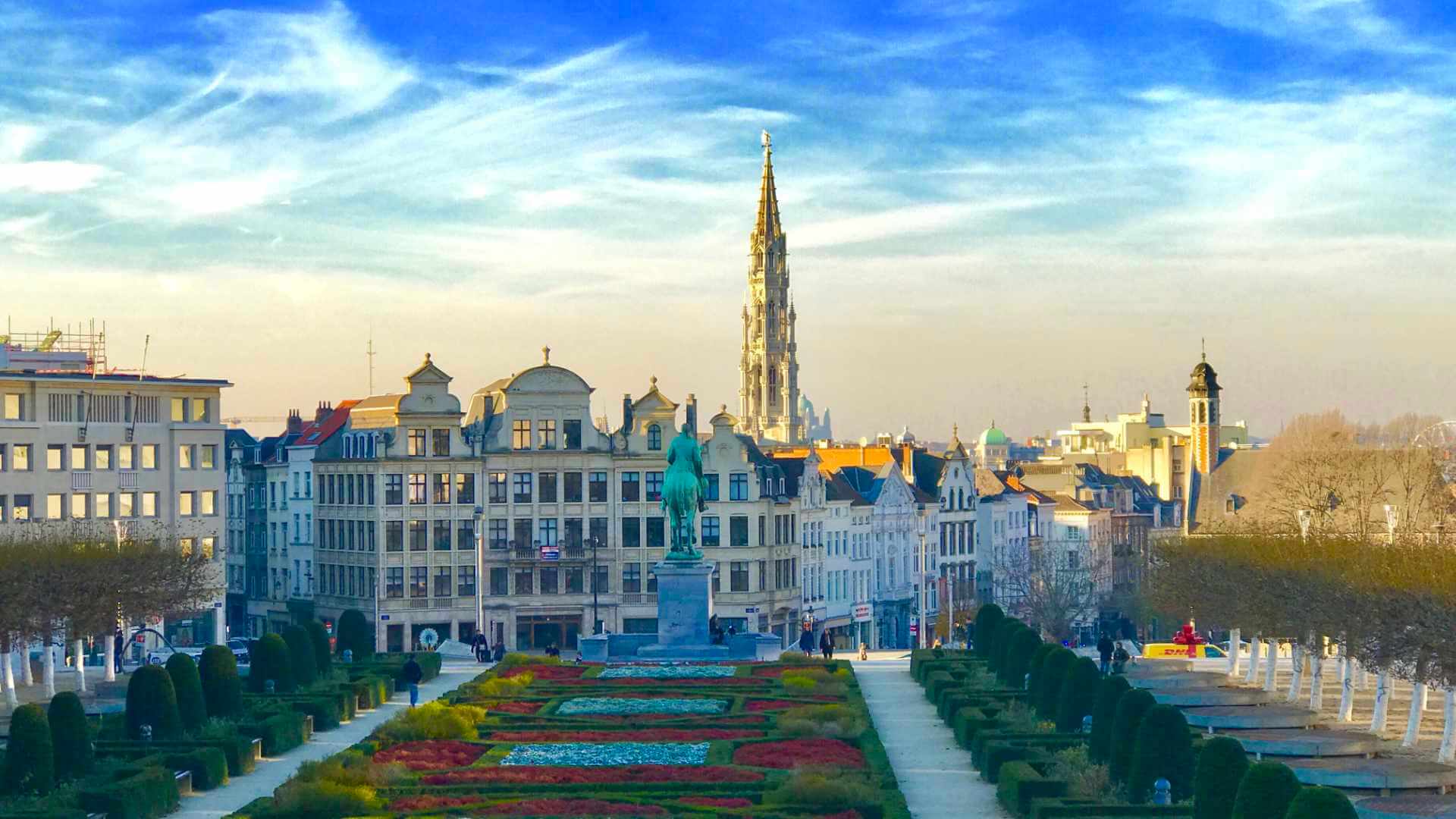
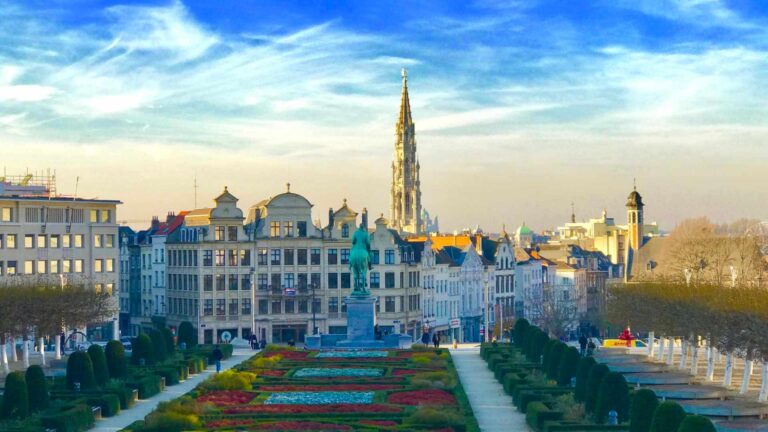
Brussels gets filed under “EU meetings” and forgotten, which is a mistake. The city sits at the center of Europe’s rail network, which means attendees from Paris, Amsterdam, London, and Cologne arrive by train, no flights needed. For sustainability-minded companies, that’s a real argument, not a slogan.
Add Art Nouveau venues, a serious food scene, and hotel prices below every other capital on this list, and Belgium becomes the quiet overperformer for mid-sized meetings of 50 to 300 people.
A short decision guide from the production side. Large conferences point to Amsterdam, Barcelona, and Madrid, where venue capacity and flight access run deepest. Incentives and rewards point to coastal Spain and Portugal, or to Norway if your top performers have seen enough beaches. Client-facing prestige events point to Paris and Rome. Mid-sized meetings on a budget point to Brussels and Porto. Leadership offsites work almost anywhere on this list; what they need is the right hotel, sourced early, because senior calendars don’t move twice.
If you’re still weighing options, our guide on choosing the best event destination walks through the selection logic step by step, and we’re happy to pressure-test a shortlist with you before anything gets booked.
Amsterdam, Barcelona, and Madrid lead for large conferences. All three offer direct flights from most major business cities, venues above 700-person capacity, and hotels within easy reach. Barcelona adds the longest outdoor season; Amsterdam adds the shortest airport-to-center transfer; Madrid adds the largest exhibition spaces.
Portugal offers the strongest value among top-tier destinations, with programs typically costing 20 to 30% less than Paris or London equivalents. Porto and Brussels cost even less. Shoulder seasons (March to May, September to October) improve prices further across southern Europe.
Book 9 to 12 months ahead for spring and September programs in Amsterdam, Barcelona, Paris, and Madrid. Smaller coastal destinations like Cascais or Sitges need similar lead time because their five-star hotel supply is limited. In Milan, check the trade-fair calendar before fixing any date.
Yes, for the right format. Norway and the Alps work well for team-building and incentive programs from December to March, when novelty and group bonding matter more than conference capacity. Winter programs also avoid the price peaks of the southern European summer.
Let’s design an experience that balances cultural depth with flawless execution.
Contact EVENTÔIR to start shaping your corporate event program.
Managing Director @ EVENTÔIR
With 12 years of global event-management experience, Jacqueline leads teams that translate corporate objectives into emotionally resonant, seamlessly executed experiences.

Learn how to choose the right destination for your corporate event with a five-filter framework covering format, flights, group size, season, and budget.

The New Era of Corporate Events in Europe Destinations | admin | Last updated: May

A guide to designing luxury corporate events in Marrakech through culture, storytelling, and immersive experiences.
With more than 20 years of experience in international event coordination, Conny is known for her proactive approach, strong problem-solving skills, and meticulous attention to detail. She anticipates challenges with ease and ensures every aspect of an event is planned to perfection.
Fluent in German, English, and Spanish, Conny’s positive, sociable nature allows her to adapt effortlessly to diverse situations and teams. She is passionate about creating structured, memorable events that run seamlessly from start to finish.
In her free time, she enjoys spending time with her partner and friends, being in nature, and dreaming of one day having a home with a large garden full of animals.
With over 25 years of experience in national and international corporate events, Lidia specializes in the automotive and MICE sectors across Europe. Her German–Spanish heritage and fluency in Spanish, German, and English give her a unique intercultural perspective, allowing her to quickly adapt to client needs.
Lidia is passionate, proactive, and flexible — equally comfortable leading projects or collaborating within a team. Known for her strong communication and negotiation skills, she is dedicated to creating events that exceed expectations for both attendees and organizers.
In her free time, she enjoys exploring new countries and cultures and spending time with dogs.
With 12 years of experience in international event management, Jacqueline leads Eventôir with a clear vision: to create seamless, high-impact events that leave a lasting impression. Having grown up in Spain, she works fluently in English, Dutch, and Spanish, which allows her to collaborate effortlessly with clients and partners around the world.
She has successfully delivered complex projects for global brands, including multi-day programs for up to 7,000 participants across 20 venues. Known for her meticulous planning, creative concepts, and ability to unite diverse stakeholders, Jacqueline blends business objectives with memorable guest experiences. Her flexibility and attention to detail have earned her a reputation as a trusted partner for brands seeking both elegance and flawless execution.
Outside of work, she is passionate about exploring new destinations and planning unforgettable trips. She enjoys staying active with nature hikes, gym workouts, Reformer Pilates, and Yin Yoga. She also loves cooking Mediterranean-inspired dishes, good coffee, and photography, with a special interest in interior design.