Destinations
Marrakech Incentive Travel Logistics: Seasonality, Group Movement and Programme Design
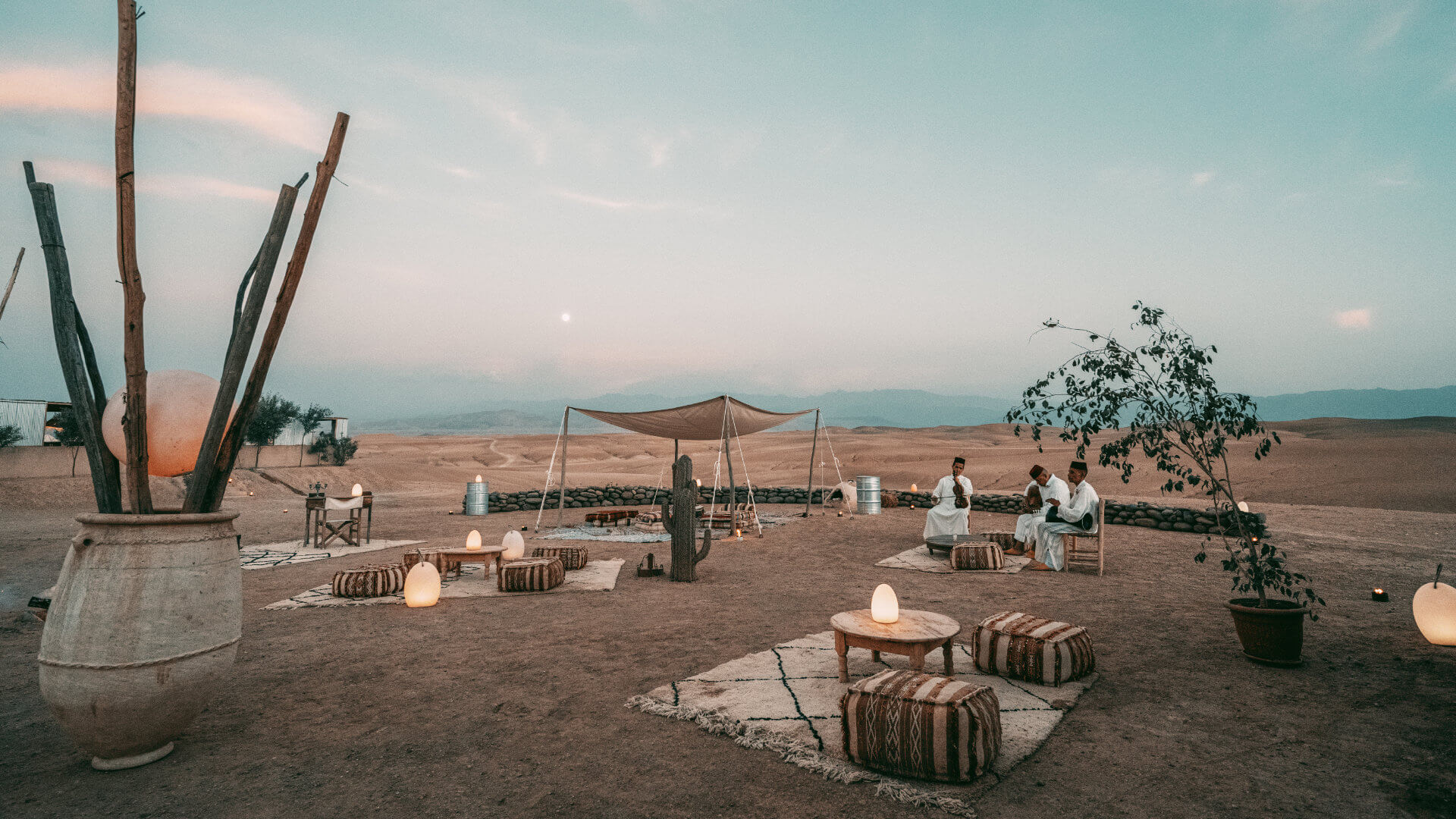
Plan Marrakech incentive travel around seasonality, airport arrivals, Medina access, group movement and a considered programme rhythm.

Paris, Chantilly and Milan as three distinct routes to a more meaningful leadership gathering.
For a highly travelled CEO, another five-star hotel is not a compelling reason to leave the office.
The destination may be excellent. The restaurant may be exceptional. But senior leaders do not make time for a two-night programme because the brochure looks good. They travel when the gathering offers a genuine change of perspective: protected time with the right people, a setting that helps the conversation move forward, and access to something that would be difficult to arrange alone.
That is the real challenge in a CEO or pharma leadership programme. The destination provides the setting. The experiences provide the reason to travel.
Programmes of this kind are shaped by a particular set of demands: a short travel window, a full leadership day, thoughtfully planned partner experiences, international arrivals, private transport and credible alternatives when the weather changes. The audience is often exceptionally well travelled, so familiar luxury is not enough. Every element has to justify its place in the programme.

A leadership programme should never feel like a conference with a better dinner attached.
Senior guests have little patience for unnecessary movement, long introductions or activities chosen simply because they are available. They are also alert to whether an event has been designed around their time and their interests. A private cultural experience can be powerful; a generic city tour, even a luxurious one, usually is not.
For a life-sciences audience, there is an added layer of responsibility. Discretion is built into the plan from the beginning. That affects hotel selection, registration, guest communications, transport manifests, photography, gifting, external suppliers and the language used around access. A proposed experience remains a proposal until the venue, institution or brand has formally approved it.
The most successful programmes hold four demands in balance:
None of this requires excess for the sake of it. A small dinner in an atmospheric setting, a specialist host with a real point of view or early access to a private collection can carry more weight than an expensive but interchangeable evening. For senior audiences, rarity is often more persuasive than display.

Paris, Chantilly and Milan can all make an impressive first impression. That is not the same as being right for the brief.
A two-night executive programme has very little room to absorb friction. Twenty minutes of unplanned traffic changes the mood of an evening. A late-arriving flight can unsettle a carefully timed welcome. A signature outdoor moment needs an indoor alternative that is equally credible, not a last-minute meeting room.
Before a destination is selected, it is worth testing the programme through five practical lenses:
This is why hotel and venue sourcing cannot be treated as a room-block exercise. The hotel, plenary space, dinner settings, transport routes and experience venues must work together as one operating plan. A beautiful hotel can still be the wrong choice if it adds repeated travel or leaves the group stranded when the evening needs to change course.
The process mirrors the principles in our guide to planning a high-impact corporate event: decide what the gathering must achieve, then work backwards from the guest experience and operational reality.

Paris is a strong choice when a leadership programme needs to feel unmistakably international, cultured and refined. It has hotel depth, global flight access and a remarkable concentration of food, fashion, art and architecture. Yet the obvious version of Paris is not usually the most interesting version for a seasoned executive audience.
The better question is: which Paris does this group need to encounter?
It might be the Paris of haute couture and craftsmanship, revealed through a private atelier conversation or a specialist guide. It might be the Paris of art and collecting, shaped around an intimate gallery visit or a museum experience developed with the institution. It might be the Paris of gastronomy, where a chef, producer or historic setting gives dinner more texture than another high-profile reservation.
A short programme can use these worlds in chapters. Guests arrive, settle and share one carefully judged first moment. The next day protects leadership discussions, while partners explore a related but distinct cultural thread. The final evening becomes a genuine culmination—one memorable setting, one clear atmosphere and enough time for conversation to unfold.
The danger in Paris is trying to show too much. Traffic, security procedures, production restrictions and arrival windows all make a busy schedule feel busier. A private access request may take months and should never be sold as guaranteed before permission is in place.
Paris is particularly effective for a global audience that values urban energy and wants the programme to carry cultural authority. It is also the strongest of the three options when fashion, art or French gastronomy can be made relevant to the group’s story.
The operational rule is simple: keep the meeting, hotel and one major evening function close together. Use the city selectively. A signature private encounter is more valuable than a packed itinerary.
A good Paris programme does not attempt to deliver the city in 48 hours. It chooses a point of view and lets the group experience it properly.

Chantilly offers almost the opposite atmosphere. Rather than asking guests to navigate a world capital, it removes them from it.
The draw is not nightlife or density. It is containment: estates, horse country, historic rooms, woodland, formal gardens and the sense that the group has stepped into a different rhythm. That distance can be extremely useful for leadership work. Guests are less likely to disappear into outside appointments or treat the programme as a convenient stopover. The setting itself creates a temporary boundary around the conversation.
This is where Chantilly can be more compelling than central Paris for the right brief. A full leadership day can sit comfortably within a secluded hotel or historic property. The shared experiences can be quieter but no less distinctive: equestrian heritage, a private performance, a curator-led art encounter, a craftsmanship demonstration, a countryside meal or a dinner in a setting that needs very little additional production.
There is a planning discipline to countryside programmes. Transfers have to be routed with precision. Vehicles should be on standby. Every outdoor experience needs a weather-tested version that preserves the character of the idea. Suppliers may be spread over a wider area, so technical and guest logistics need to be planned earlier than they would in a dense urban setting.
Chantilly is right when the programme needs privacy, a shared sense of retreat and room for substantive discussion. It is especially suited to a senior group that has travelled often and does not need another busy city weekend.
It can also be an elegant answer to a common leadership-event problem: how to make people feel genuinely away without creating a difficult arrival experience. The programme should use that advantage. Keep the movements few, the pacing generous and the shared moments rooted in place.

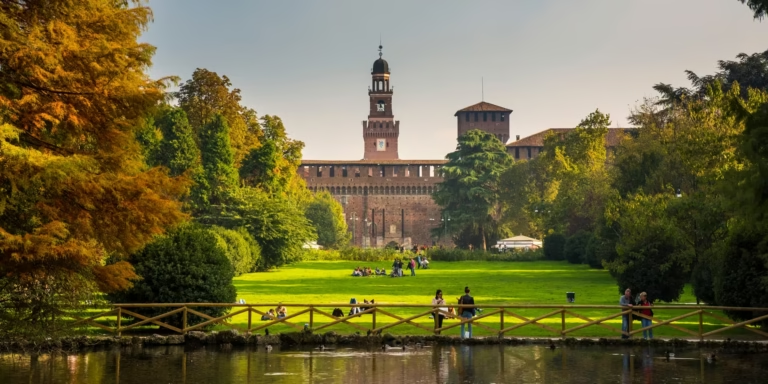
Milan has an ease that is useful for senior groups. It is a serious business city, so a leadership day never feels out of place. At the same time, its best programme ideas come from the worlds that sit alongside business: design, fashion, architecture, food, heritage and craftsmanship.
The character is different from Paris. Milan is not about collecting as many icons as possible. It is about quiet confidence and privileged access. A private showroom conversation, a design-led dinner, an atelier visit or an aperitivo in a historic setting can reveal a more personal side of the city.
This makes Milan particularly appealing when the organisation wants a contemporary programme without losing a sense of occasion. The business element can be clear and structured; the social element can feel distinctly Italian without becoming theatrical.
For partners, Milan offers a strong set of routes that can run in parallel with leadership sessions: fashion and styling, art, design, food culture and craftsmanship. The programmes do not need to mirror each other hour by hour. They should feel equally intentional and return the group to shared moments at the right points.
Date selection matters more in Milan than many planners expect. Major design and fashion periods change hotel availability, supplier capacity, traffic and restaurant access. Those dates can be an advantage if the event is deliberately connected to the city’s creative calendar. If not, they can put avoidable pressure on the programme.
Milan is a compelling choice for leadership groups that want business credibility, a compact city rhythm and a contemporary expression of Italian culture. It works well when the group values design, fashion or craft, and when a restrained, modern feel is more appropriate than a grand, formal atmosphere.
The key is to check the calendar before the creative idea becomes fixed. A seven-day change to the programme date can materially affect what is possi

There is no universal winner. A leadership team meeting to take a difficult strategic decision may benefit from Chantilly’s contained setting. A global programme welcoming guests from several markets may need the depth and access of Paris. A group that values contemporary culture and a compact urban rhythm may find Milan the most natural fit.
The destination should follow the leadership objective, not lead it.

Begin by agreeing the one or two things the programme must accomplish. Is the purpose to align a new leadership group, acknowledge a milestone, create space for a difficult conversation, strengthen senior relationships or reward an exceptional performance? The answer changes almost every decision that follows.
Next, define the non-negotiables: arrival pattern, privacy requirements, leadership agenda, partner expectations, preferred programme pace, weather tolerance, access control and the client’s governance process.
Then shape the destination narrative. Only once the operating framework is clear should planners begin building the cultural, culinary or experiential moments that give the programme its character.
That order matters. It gives the creative work a stronger foundation and makes the supplier brief far more useful. It also prevents an attractive concept from collapsing once real travel times, permissions and contingency plans are considered.
For complex formats that sit alongside a wider leadership meeting, EVENTÔIR’s conferences and meetings approach can help bring the content, production and guest journey into one coordinated plan.

For pharma and other senior leadership audiences, confidentiality does not sit in a legal footer. It shapes the experience.
It means understanding which details should not be photographed or shared. It means ensuring suppliers know the right names, timelines and approval paths. It means keeping guest movements discreet without making them feel controlled. It means retaining an alternative for any element that depends on third-party approval.
It also means describing work responsibly. A private visit, a brand partnership or cultural access opportunity should be presented as an option until confirmed. Exact dates, attendance, budgets and client identifiers should remain private unless there is explicit permission to share them.
When this work is handled well, guests never see the complexity. They simply feel that the programme has been considered properly.



The strongest leadership programmes have a sense of proportion. They do not fill every hour. They do not confuse luxury with value. They make space for the conversation that brought the group together, then surround it with moments that could not quite happen anywhere else.
Paris, Chantilly and Milan each offer that possibility in a different way. The job is to choose the one that gives the group the right setting, the right pace and the right reason to travel.
EVENTÔIR designs discreet, experience-led programmes for leadership teams and international corporate audiences. If you are comparing destinations or developing an early brief, contact our team to begin the conversation.

Managing Director @ EVENTÔIR
With 12 years of global event-management experience, Jacqueline leads teams that translate corporate objectives into emotionally resonant, seamlessly executed experiences.
Plan Marrakech incentive travel around seasonality, airport arrivals, Medina access, group movement and a considered programme rhythm.
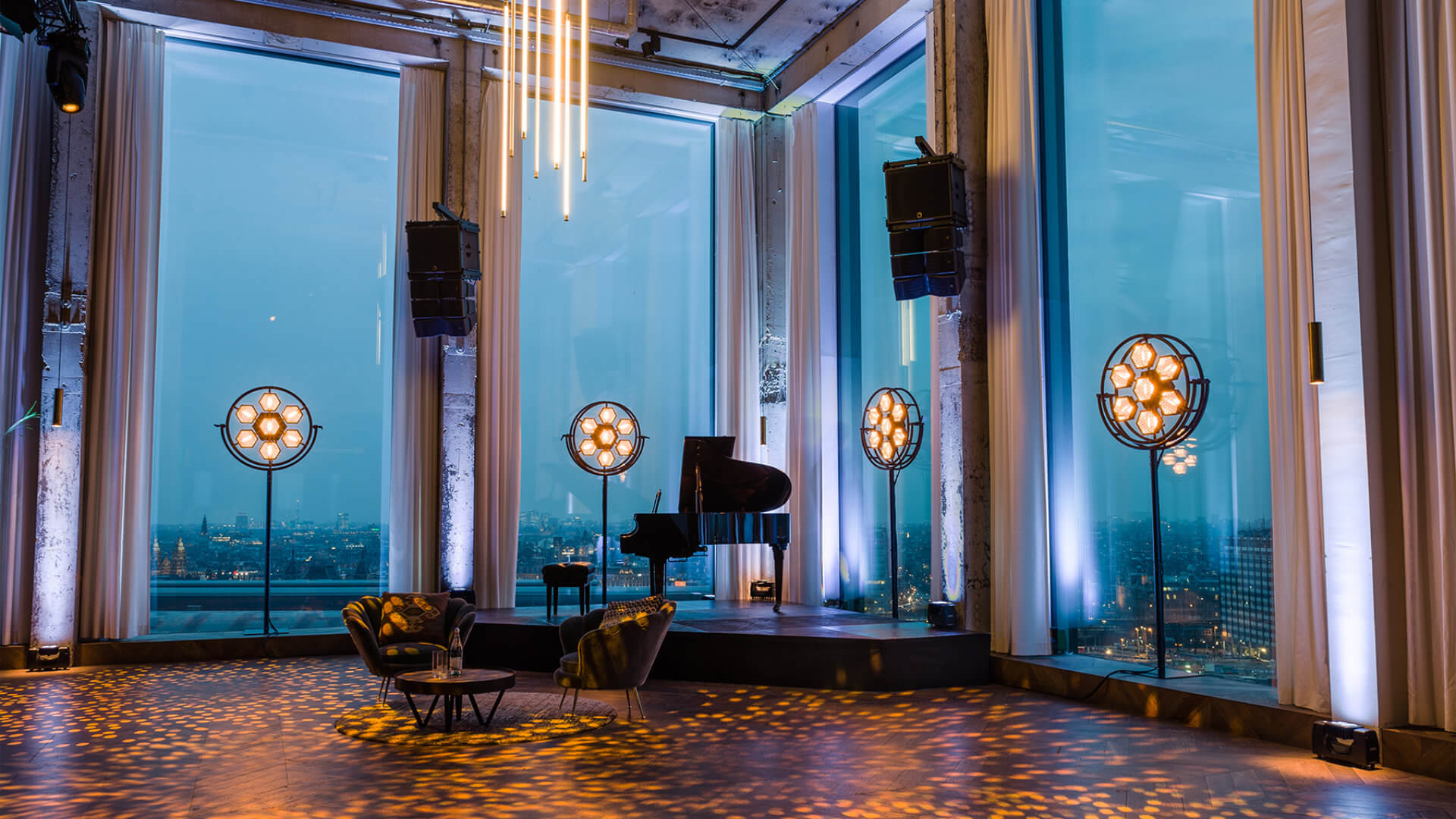
Plan a CEO programme in Amsterdam with practical advice on executive venues, canal logistics, private access and well-paced experiences.
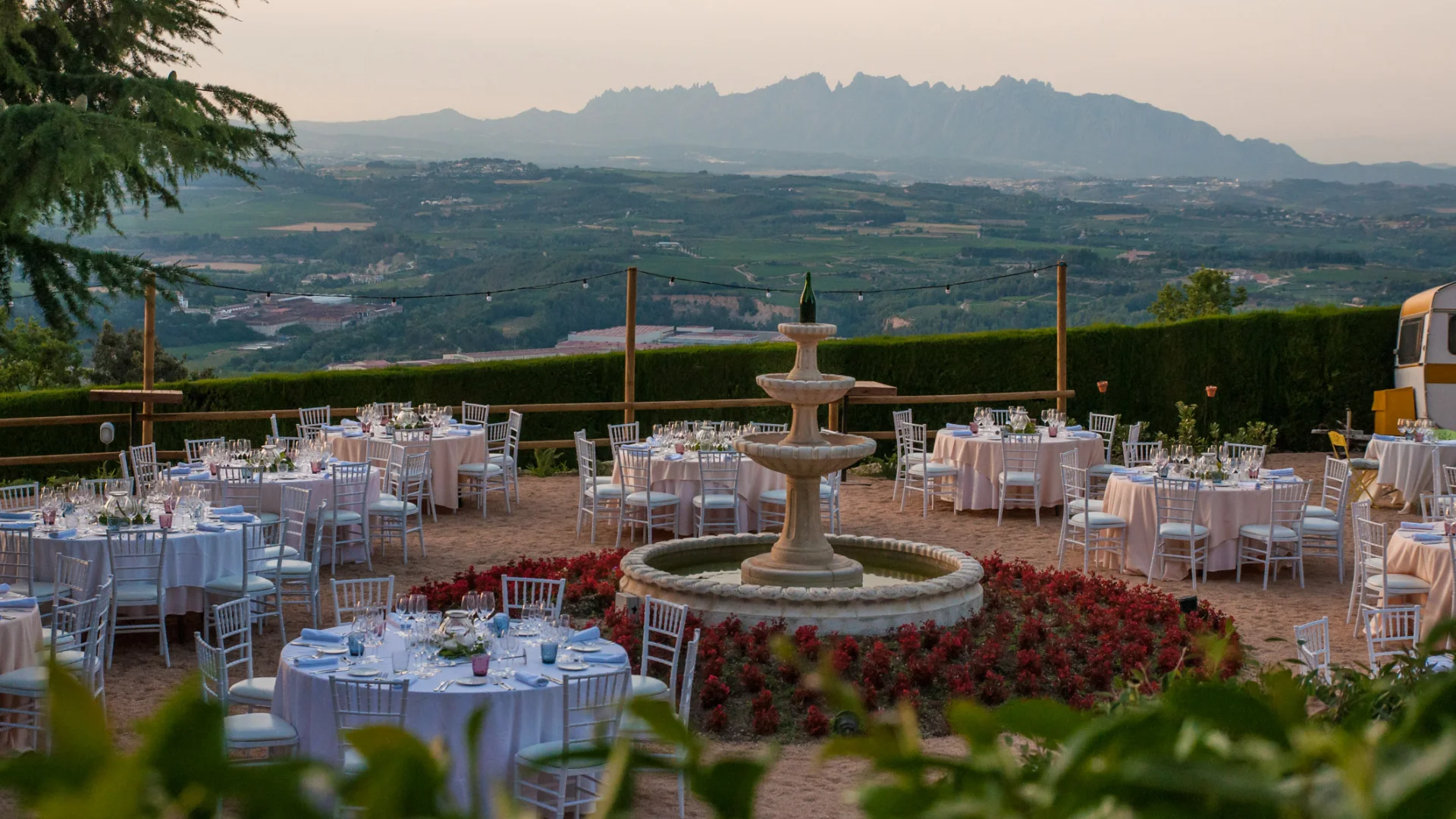
A practical guide to designing a discreet, high-value CEO or pharma leadership programme in Europe, with planning lessons from Paris, Chantilly and Milan.

With more than 20 years of experience in international event coordination, Conny is known for her proactive approach, strong problem-solving skills, and meticulous attention to detail. She anticipates challenges with ease and ensures every aspect of an event is planned to perfection.
Fluent in German, English, and Spanish, Conny’s positive, sociable nature allows her to adapt effortlessly to diverse situations and teams. She is passionate about creating structured, memorable events that run seamlessly from start to finish.
In her free time, she enjoys spending time with her partner and friends, being in nature, and dreaming of one day having a home with a large garden full of animals.

With over 25 years of experience in national and international corporate events, Lidia specializes in the automotive and MICE sectors across Europe. Her German–Spanish heritage and fluency in Spanish, German, and English give her a unique intercultural perspective, allowing her to quickly adapt to client needs.
Lidia is passionate, proactive, and flexible — equally comfortable leading projects or collaborating within a team. Known for her strong communication and negotiation skills, she is dedicated to creating events that exceed expectations for both attendees and organizers.
In her free time, she enjoys exploring new countries and cultures and spending time with dogs.
With 12 years of experience in international event management, Jacqueline leads Eventôir with a clear vision: to create seamless, high-impact events that leave a lasting impression. Having grown up in Spain, she works fluently in English, Dutch, and Spanish, which allows her to collaborate effortlessly with clients and partners around the world.
She has successfully delivered complex projects for global brands, including multi-day programs for up to 7,000 participants across 20 venues. Known for her meticulous planning, creative concepts, and ability to unite diverse stakeholders, Jacqueline blends business objectives with memorable guest experiences. Her flexibility and attention to detail have earned her a reputation as a trusted partner for brands seeking both elegance and flawless execution.
Outside of work, she is passionate about exploring new destinations and planning unforgettable trips. She enjoys staying active with nature hikes, gym workouts, Reformer Pilates, and Yin Yoga. She also loves cooking Mediterranean-inspired dishes, good coffee, and photography, with a special interest in interior design.