
Destinations
Marrakech Incentive Travel Logistics: Seasonality, Group Movement and Programme Design
Plan Marrakech incentive travel around seasonality, airport arrivals, Medina access, group movement and a considered programme rhythm.

Seven practical checks for assessing strategy, delivery, financial clarity and fit before appointing a partner.
At first glance, choosing an incentive travel agency can seem straightforward. Shortlisted teams may present polished itineraries, attractive destinations and confident assurances about delivery. When the proposals begin to look equally convincing, the decision becomes harder.
The meaningful differences sit beneath the presentation. A capable agency must translate your business objective, guest profile, budget and operational constraints into a programme that feels coherent from the first invitation to the final departure. It must also explain its reasoning, protect the investment and respond calmly when plans change.
The strongest partner is therefore not necessarily the agency with the most elaborate proposal. It is the team that understands why the trip exists, makes sound choices on your behalf and remains accountable for the entire guest journey.
For corporate event leaders, procurement teams and executive sponsors, the seven checks below provide a focused way to compare potential partners and move towards an appointment with confidence.
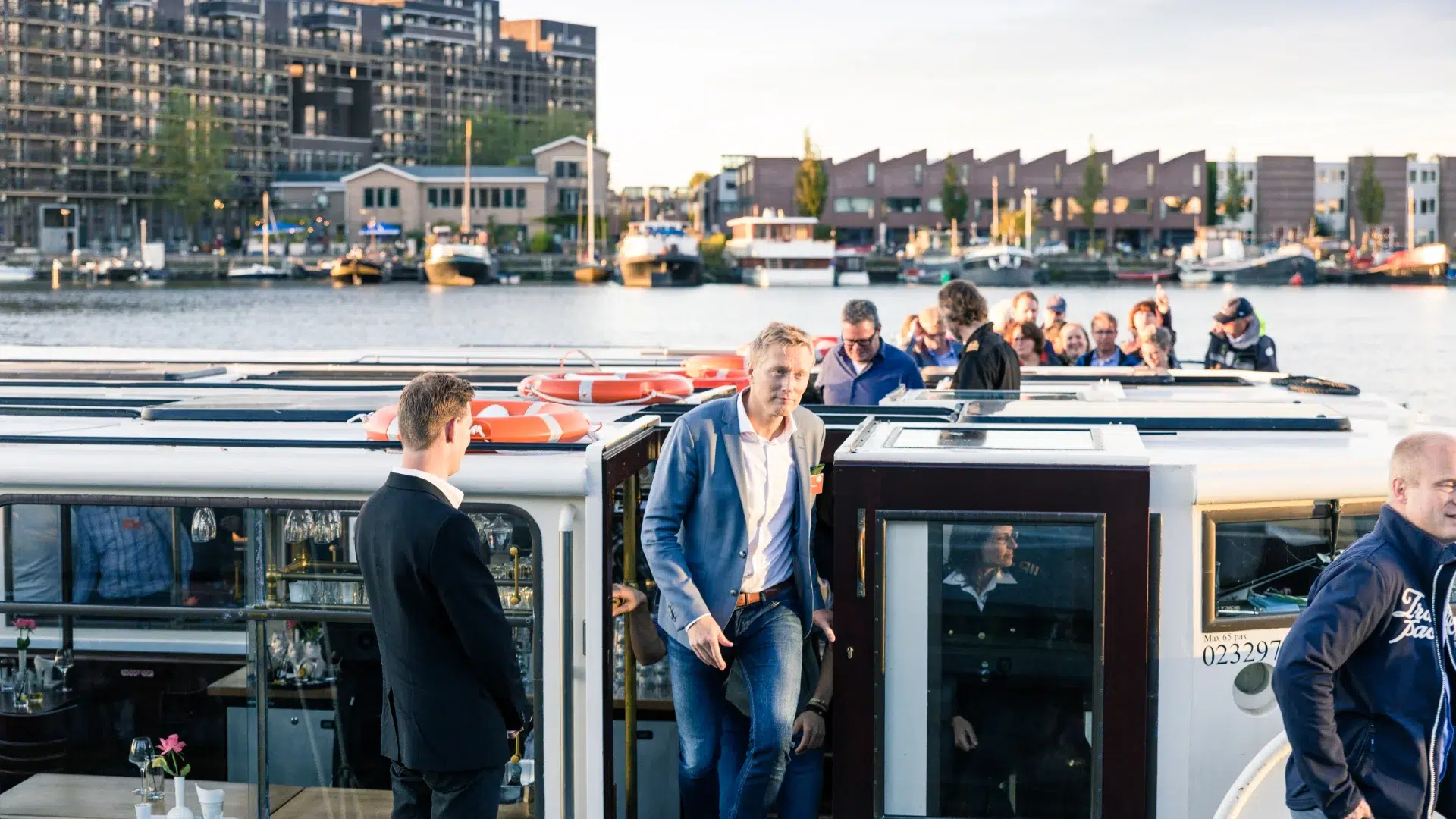
Before reviewing destinations or creative concepts, be clear about what the programme is expected to achieve.
A trip designed to recognise exceptional performance needs a different approach from one intended to strengthen relationships, retain valued people or bring an international leadership team closer together. The guest experience may look equally polished, but its content, pace and setting should reflect the objective.
A capable agency will be as interested in the people travelling as the place they may visit. Expect questions about their roles, previous travel experience, cultural backgrounds, accessibility requirements and expectations. A group of extensively travelled senior leaders is unlikely to respond to the same programme as first-time incentive travellers.
Success also needs a practical definition. It might be participation, guest satisfaction, stronger internal relationships or the quality of engagement after the trip. The measures need not be complicated, but they should influence the design.
If internal stakeholders need a clearer starting point, EVENTÔIR’s guide to what incentive travel is and how it works explains how these programmes support recognition and engagement.
An agency that begins with thoughtful questions is usually more valuable than one that arrives with a destination already chosen.
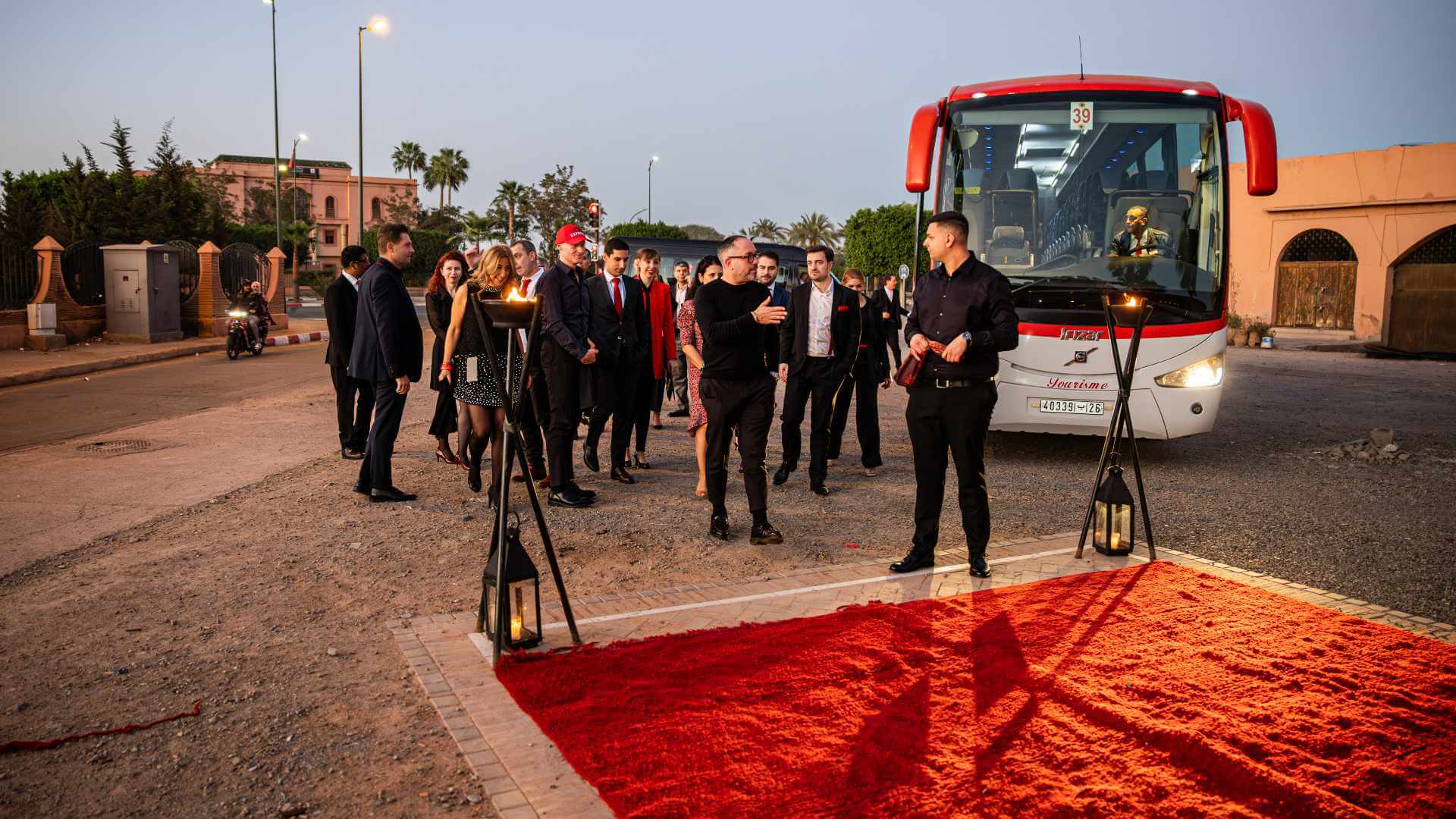
The terms incentive travel agency, destination management company and travel management company are sometimes used interchangeably, although their roles can differ considerably.
A travel management company may excel at flights, booking systems and traveller support. A local destination management company may bring strong regional knowledge, supplier relationships and on-the-ground operations. A specialist incentive agency should connect those capabilities with programme strategy, creative development, guest experience and overall accountability.
The labels matter less than the operating model. Ask who will own the complete journey and which parts will be handed to other suppliers. Destination research, accommodation, transport, activities, production, guest communications and financial reconciliation all need a clear owner.
International programmes often benefit from one lead partner coordinating trusted specialists in each destination. The client gains a consistent point of contact without losing the local knowledge needed for credible timings, appropriate venues and genuine access.
When reviewing an agency’s incentive travel planning services, look beyond the capability list. Consider whether the team can provide joined-up leadership from the first conversation to the final guest departure.
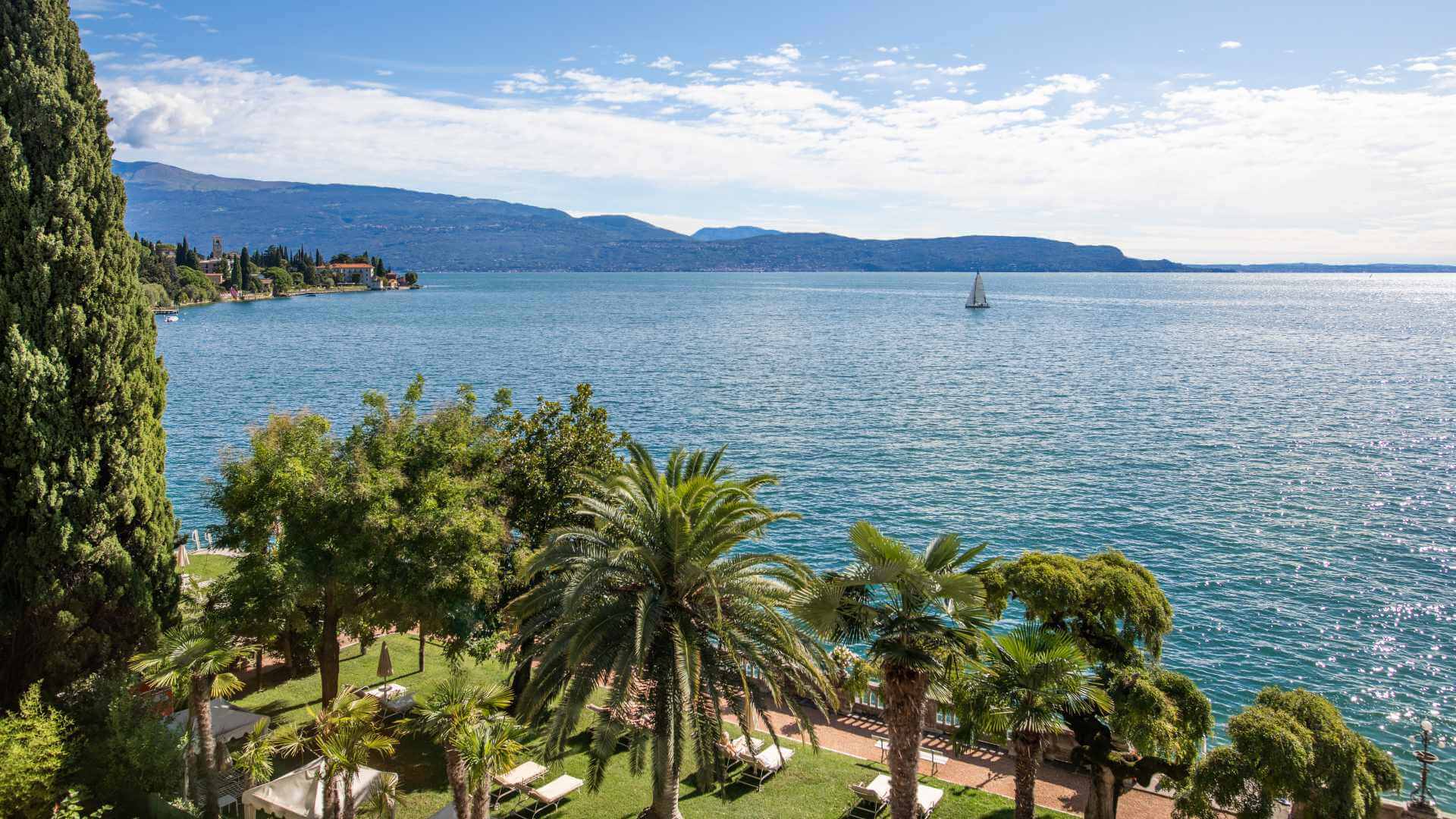
A beautiful proposal can communicate imagination. It does not necessarily reveal how carefully the programme has been considered.
Strong recommendations have a reason behind them. Why does this destination suit the audience? Why has this hotel been selected? Why does the programme begin at this pace? How does each experience support the intended atmosphere?
This matters particularly when choosing the right destination for incentive travel. A familiar choice may offer dependable access and infrastructure; a less obvious destination may create a stronger sense of discovery. Neither is automatically right. The answer depends on flight connections, seasonality, group profile, programme length, budget and the experience guests should take home.
Look for judgement rather than volume. A long catalogue of hotels and activities can leave the client making decisions the agency should have helped resolve. A better proposal presents a considered direction, explains the trade-offs and offers alternatives only where they serve a real purpose.
Relevant project examples are useful here. They show whether an idea can become a workable guest journey. An incentive programme in Iceland, for example, reveals how destination character, movement and weather planning can be brought together without disclosing confidential client details.
The question is not whether an agency has worked everywhere. It is whether its previous work demonstrates sound judgement in circumstances comparable to yours.
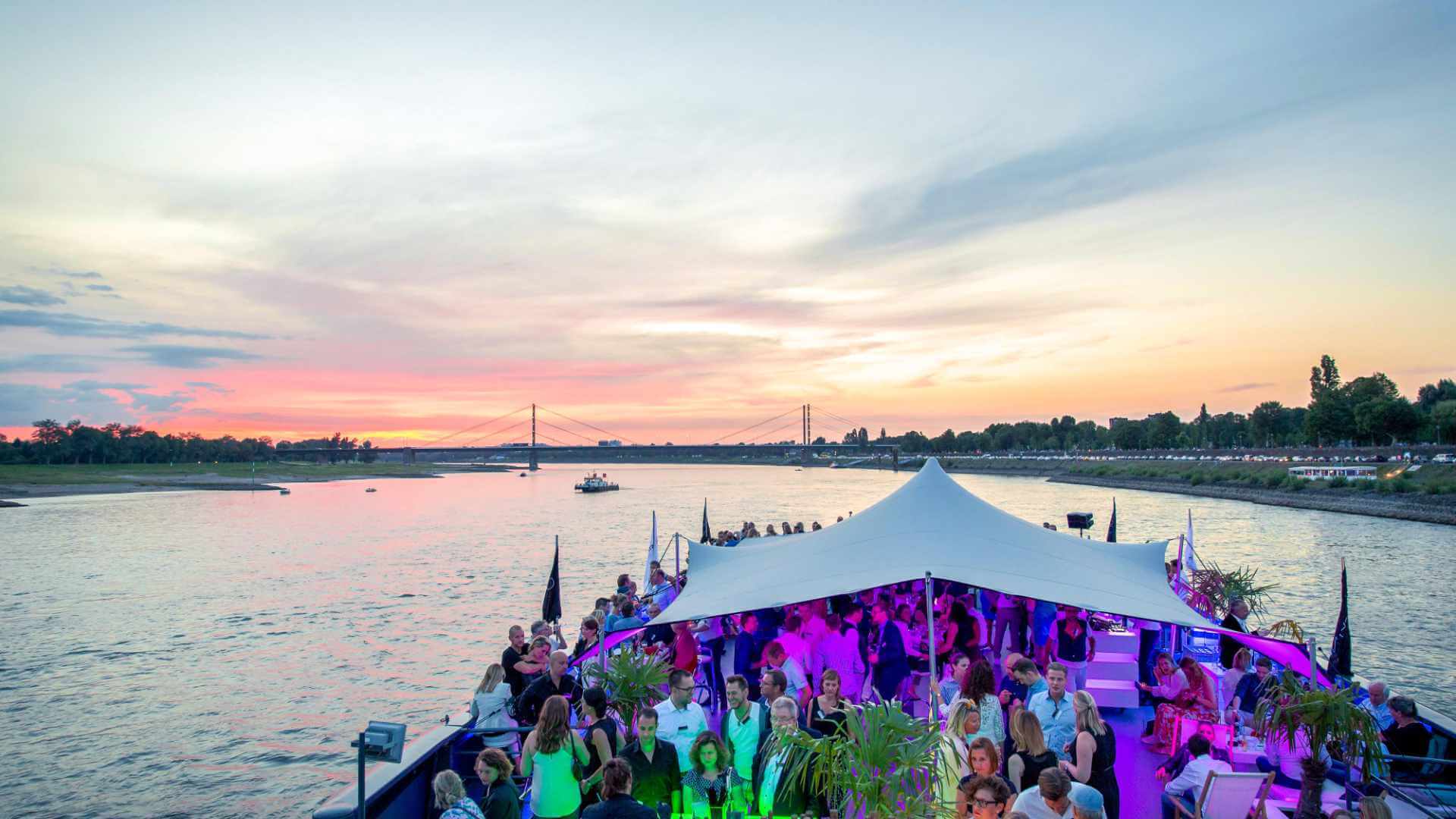
Creative thinking matters, but it has to survive contact with the timetable.
Ask who will lead the account after the proposal stage and whether that person will remain involved during delivery. A senior presentation team can hand over successfully, but ownership, authority and escalation routes should be clear from the outset.
The agency should be able to explain how it manages registration, guest information, dietary and accessibility requirements, flight changes, rooming lists, transfers and on-site communications. International arrivals deserve particular scrutiny: a transfer plan that looks simple on paper can become complicated when guests arrive from several markets across a full day.
Programme pacing matters too. Guests need enough structure to feel looked after without every hour feeling managed. Travel time, preparation for evening events and opportunities to pause belong in the design, not in the margins.
Experiences should also belong to the destination. EVENTÔIR’s perspective on authentic incentive travel experiences explores why local relevance and genuine access often leave a stronger impression than a crowded schedule of headline activities.
Finally, ask what happens when the preferred plan is no longer possible. Weather, transport disruption, supplier changes and delayed arrivals are ordinary planning realities. A credible agency will prepare alternatives that preserve the character of the programme rather than substituting something generic at the last moment.

Even a creatively strong programme becomes difficult when the commercial structure is unclear.
Budgets should show what is included, what remains provisional and which assumptions may change. Review agency fees, local taxes, service charges, currency exposure, payment schedules, cancellation terms and contingency allowances. Dependencies such as minimum guest numbers or supplier availability should be visible.
This is not a demand for absolute certainty at an early stage. Prices and availability will move as the programme develops. What matters is open communication about where movement may occur and how approvals will be managed.
Risk planning should be equally specific. Ask how the agency assesses destinations and suppliers, manages emergency contacts, protects guest information and responds to disruption. ISO 31030 offers a useful framework for travel risk management, while the SITE Code of Ethics and Conduct provides a relevant reference point for integrity and professional responsibility in incentive travel.
No partner can remove every risk. A reliable one will show that the relevant risks have been identified, assigned and managed with care. Financial transparency and risk discipline are part of the relationship, not administrative details to revisit after the creative work is finished.

A concise conversation often tells you more than a lengthy tender. Ask each shortlisted agency:
Listen to the quality of the answers as carefully as their content. Vague assurances, unclear ownership, reluctance to discuss costs and generic destination recommendations are warning signs. So is an unusually low estimate that excludes essential elements.
The best conversations feel candid. A dependable partner should be comfortable identifying a limitation, challenging an assumption and explaining why a different approach may produce a better result.

Once the proposals and conversations are complete, compare agencies against a short set of priorities:
A simple score can bring discipline when several stakeholders are involved, but it should not replace judgement. References from clients with similar group profiles or levels of complexity can add useful context. Working chemistry matters too: incentive travel planning involves sensitive information, frequent decisions and moments when a measured response is needed quickly.


Choosing an incentive travel agency is ultimately a decision about trust — but it should be informed trust.
The right partner will make the programme more imaginative where ambition adds value, more disciplined where complexity creates risk and more personal where the guest experience demands care. It will show you the thinking behind its recommendations, the realities behind its pricing and the people behind its promises.
When those elements are aligned, the result is more than a well-organised trip. It is a reward that feels considered from the first invitation to the final journey home — and an experience your organisation can be proud to place in front of its people.
If you are beginning a shortlist or would like an experienced perspective on an existing brief, explore EVENTÔIR’s incentive travel programme management or contact our team for a confidential conversation.

Managing Director @ EVENTÔIR
With 12 years of global event-management experience, Jacqueline leads teams that translate corporate objectives into emotionally resonant, seamlessly executed experiences.
Plan Marrakech incentive travel around seasonality, airport arrivals, Medina access, group movement and a considered programme rhythm.
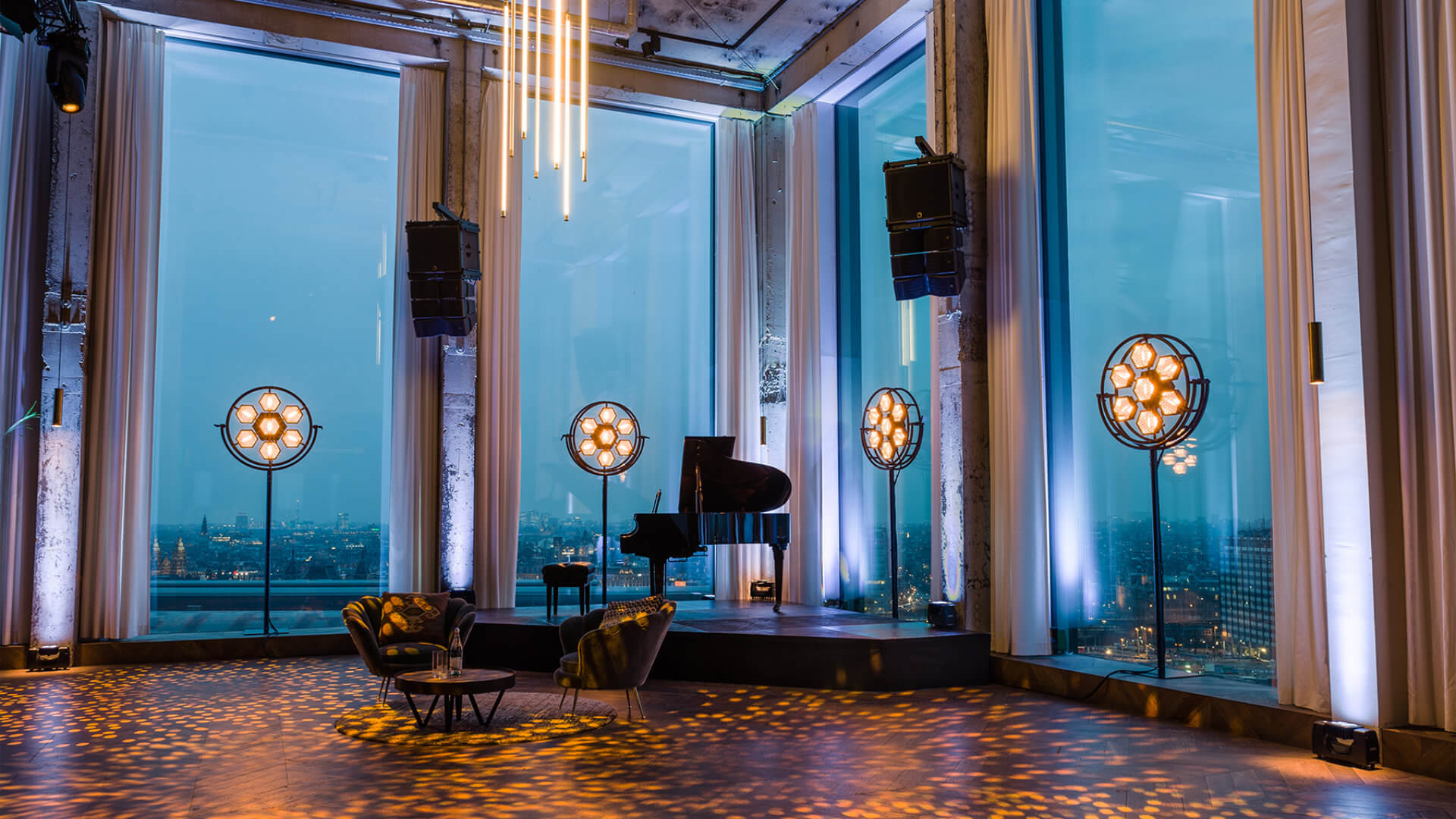
Plan a CEO programme in Amsterdam with practical advice on executive venues, canal logistics, private access and well-paced experiences.
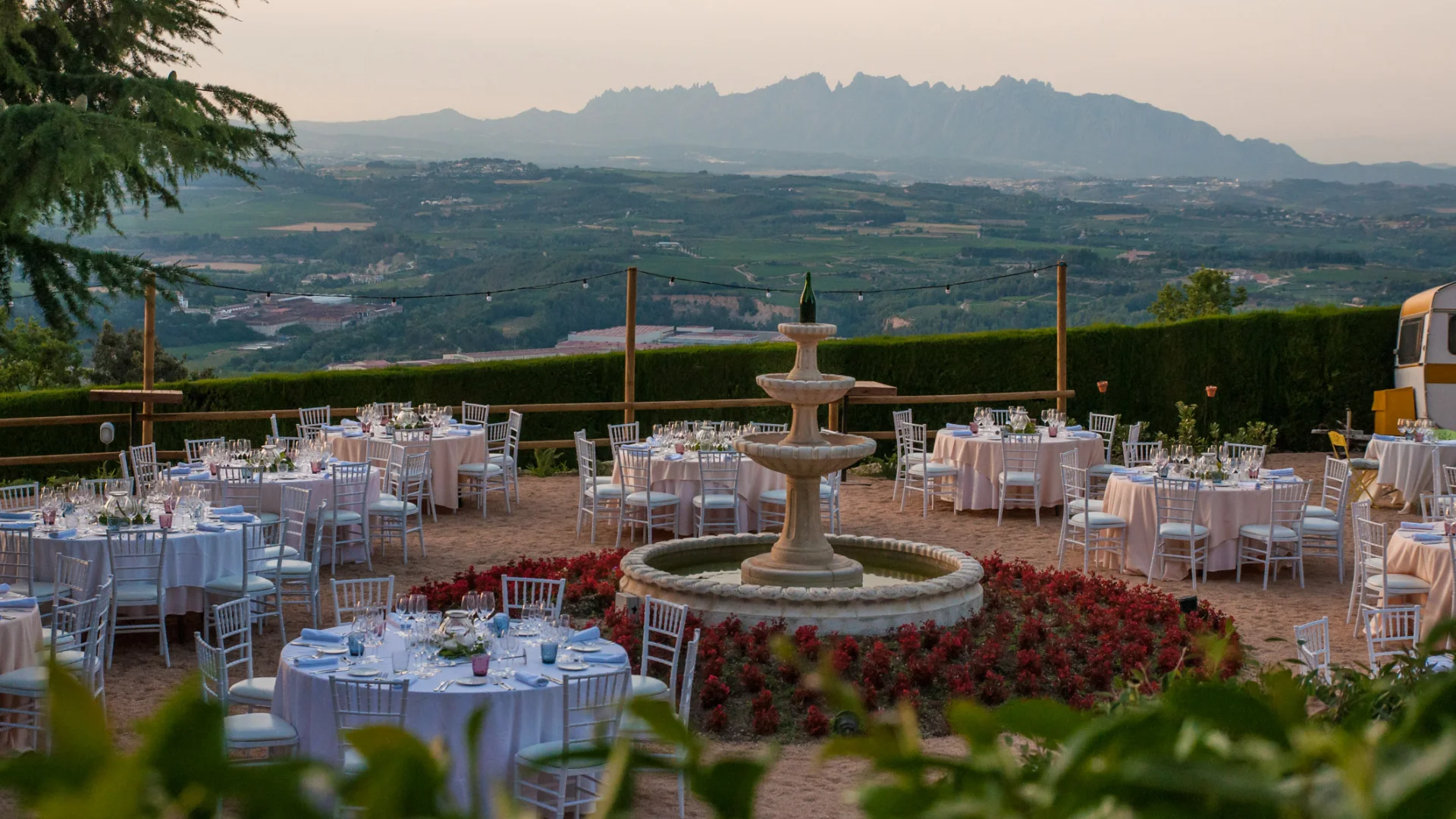
A practical guide to designing a discreet, high-value CEO or pharma leadership programme in Europe, with planning lessons from Paris, Chantilly and Milan.

With more than 20 years of experience in international event coordination, Conny is known for her proactive approach, strong problem-solving skills, and meticulous attention to detail. She anticipates challenges with ease and ensures every aspect of an event is planned to perfection.
Fluent in German, English, and Spanish, Conny’s positive, sociable nature allows her to adapt effortlessly to diverse situations and teams. She is passionate about creating structured, memorable events that run seamlessly from start to finish.
In her free time, she enjoys spending time with her partner and friends, being in nature, and dreaming of one day having a home with a large garden full of animals.

With over 25 years of experience in national and international corporate events, Lidia specializes in the automotive and MICE sectors across Europe. Her German–Spanish heritage and fluency in Spanish, German, and English give her a unique intercultural perspective, allowing her to quickly adapt to client needs.
Lidia is passionate, proactive, and flexible — equally comfortable leading projects or collaborating within a team. Known for her strong communication and negotiation skills, she is dedicated to creating events that exceed expectations for both attendees and organizers.
In her free time, she enjoys exploring new countries and cultures and spending time with dogs.
With 12 years of experience in international event management, Jacqueline leads Eventôir with a clear vision: to create seamless, high-impact events that leave a lasting impression. Having grown up in Spain, she works fluently in English, Dutch, and Spanish, which allows her to collaborate effortlessly with clients and partners around the world.
She has successfully delivered complex projects for global brands, including multi-day programs for up to 7,000 participants across 20 venues. Known for her meticulous planning, creative concepts, and ability to unite diverse stakeholders, Jacqueline blends business objectives with memorable guest experiences. Her flexibility and attention to detail have earned her a reputation as a trusted partner for brands seeking both elegance and flawless execution.
Outside of work, she is passionate about exploring new destinations and planning unforgettable trips. She enjoys staying active with nature hikes, gym workouts, Reformer Pilates, and Yin Yoga. She also loves cooking Mediterranean-inspired dishes, good coffee, and photography, with a special interest in interior design.