Destinations
Marrakech Incentive Travel Logistics: Seasonality, Group Movement and Programme Design
Plan Marrakech incentive travel around seasonality, airport arrivals, Medina access, group movement and a considered programme rhythm.

How to connect the right Amsterdam venue, guest experience and movement plan around one clear corporate brief.
Amsterdam makes an easy first impression and a less easy event plan.
The city is internationally connected, visually distinctive and compact enough to give a corporate programme a strong sense of place. Yet its canals, narrow streets, protected buildings, cycling routes and busy cultural calendar can complicate movement, access and production.
The question is therefore not simply which Amsterdam venue looks best. It is which version of Amsterdam fits the purpose, scale and rhythm of the event, and whether every operational decision supports that choice.
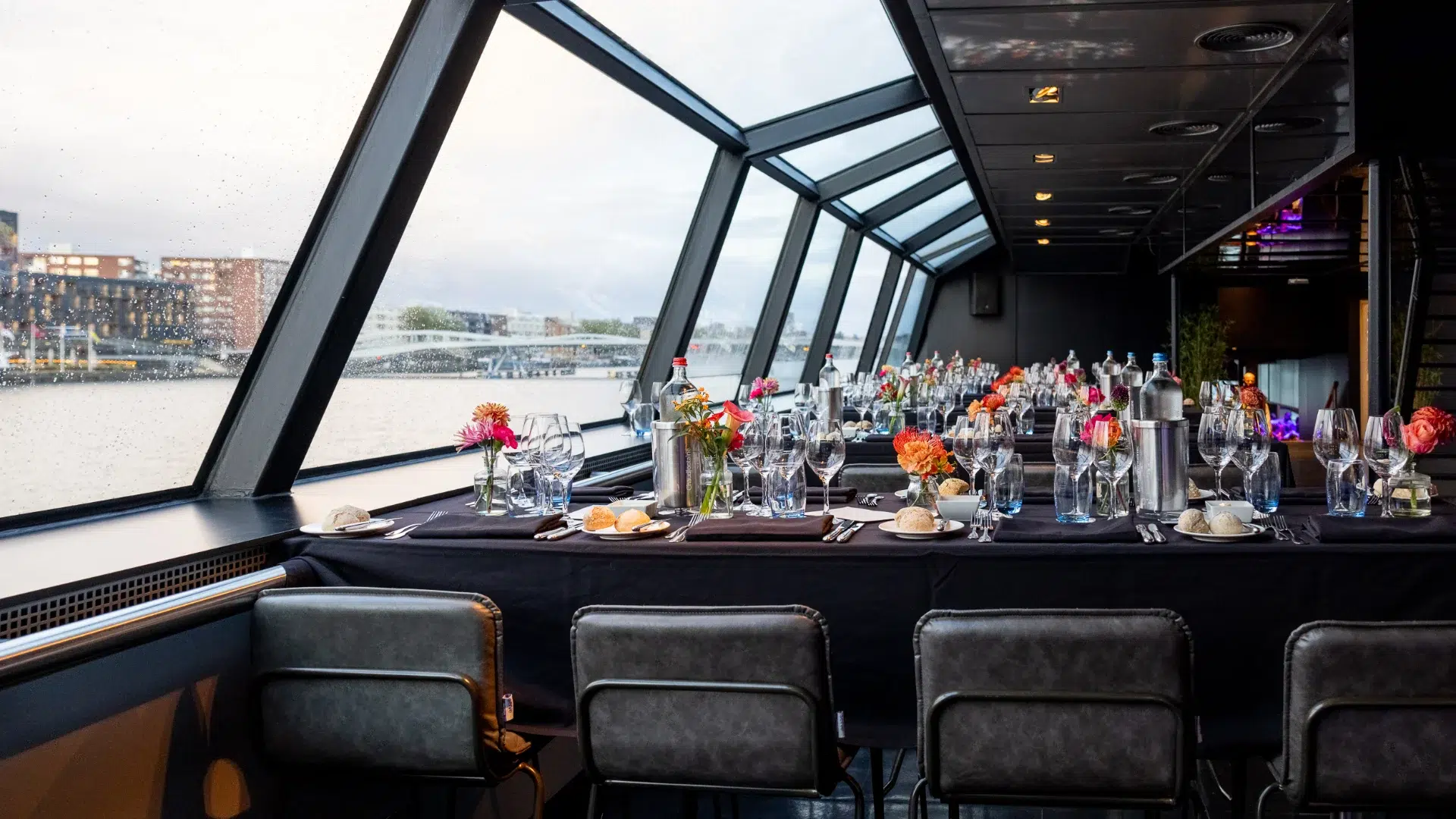
Amsterdam can host almost every corporate format, from board meetings and leadership retreats to conferences, launches, client dinners and multi-day incentive programmes. The Amsterdam Convention Bureau lists more than 500 venues and over 37,000 hotel rooms, giving planners an unusually broad field of options.
That choice is useful only when the brief is precise. Before the venue search begins, define:
A conference that needs exhibition space, complex production and several simultaneous sessions should be approached differently from an executive meeting built around privacy and conversation. Starting with purpose prevents the destination from becoming a collection of attractive but disconnected ideas.
For broader destination context, our guide to corporate events in the Netherlands explains how Amsterdam fits within the country’s wider business-event offering.
A strong shortlist is not a list of famous venues. Each option should be tested against the job it needs to perform, the guest profile and the programme around it.
Event requirement | Venue example | Best suited to | What to examine |
|---|---|---|---|
Large conference or exhibition | Content-led programmes, exhibitions and multi-room conferences | Registration flow, loading, breakout proximity, production access and hotels | |
Central congress or formal client event | Conferences, receptions and formal dinners with a strong sense of place | Heritage restrictions, room transitions, acoustics and supplier access | |
Creative launch or brand gathering | Product launches, workshops and visually led corporate events | Branding options, technical conditions, guest circulation and terrace contingency | |
Conference with an institutional setting | Plenary sessions, symposiums, receptions and hosted dining | Meeting flow, accessibility, catering transitions and transport arrangements |
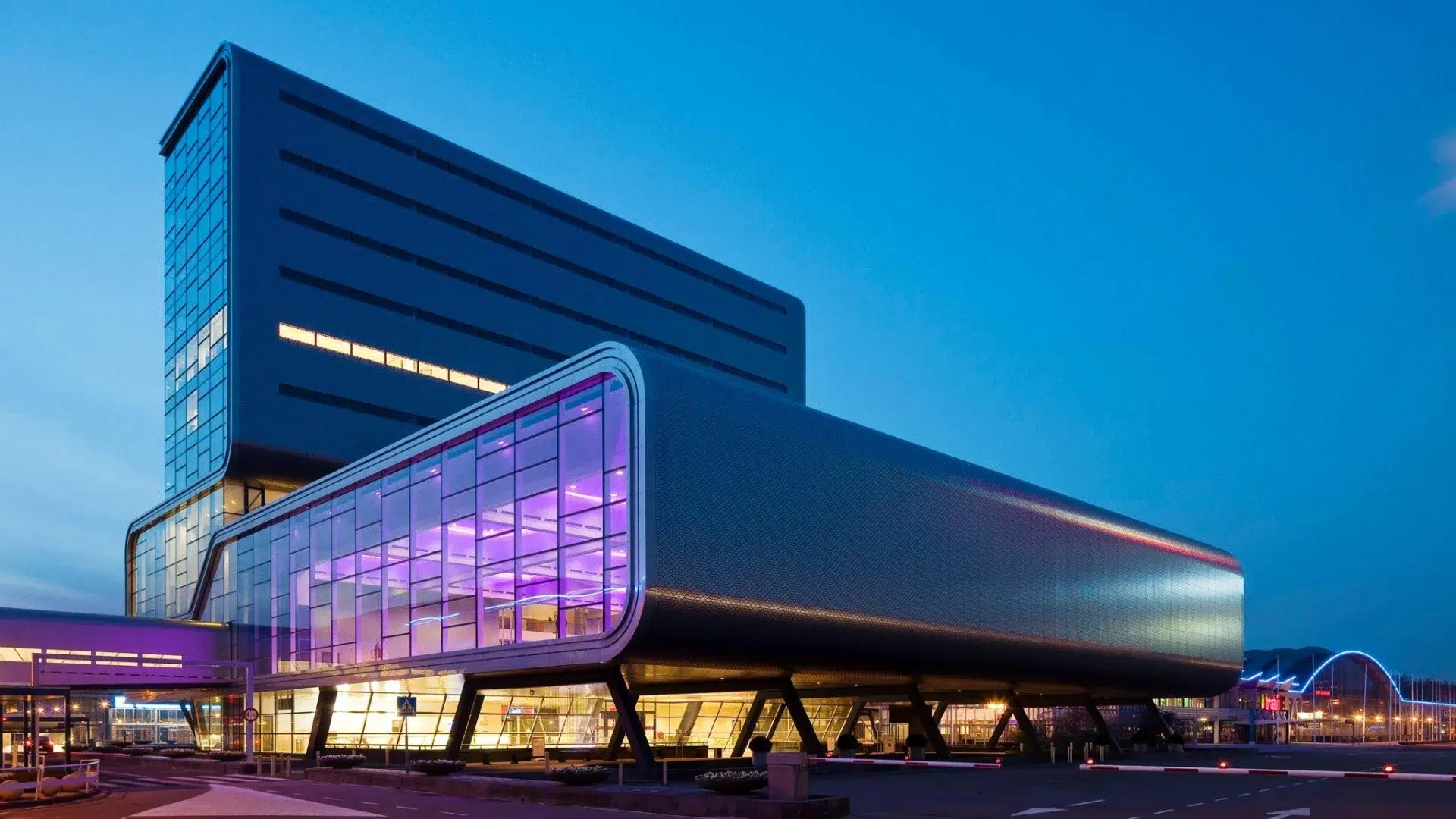
RAI Amsterdam supports large conferences, exhibitions and programmes that need extensive production infrastructure. Beurs van Berlage brings a formal city-centre setting and historic character. Capital C suits creative meetings, launches and brand-led gatherings, while KIT Events offers an institutional setting for conferences, receptions and hosted dining.
These examples should not be compared on appearance alone. Review room transitions, acoustics, loading access, supplier restrictions, branding permissions and how easily guests can move between the hotel, venue and evening programme.
Amsterdam’s heritage properties can create a memorable atmosphere, but they may also introduce stairs, limited rigging points, fixed access windows or sound restrictions. Modern venues can simplify production, although they still need a careful check of registration flow, breakout proximity and guest wayfinding.
For a wider shortlist, see our guide to unique venues in Amsterdam. If accommodation and meeting space need to work as one, our Amsterdam hotel guide provides a useful starting point.
For smaller senior groups, venue selection follows a different logic. Our guide to planning a CEO programme in Amsterdam considers privacy, executive pacing and experiences designed around leadership conversation.
A corporate activity earns its place when it adds conversation, perspective or energy. It should not be included simply because it appears on a conventional Amsterdam itinerary.
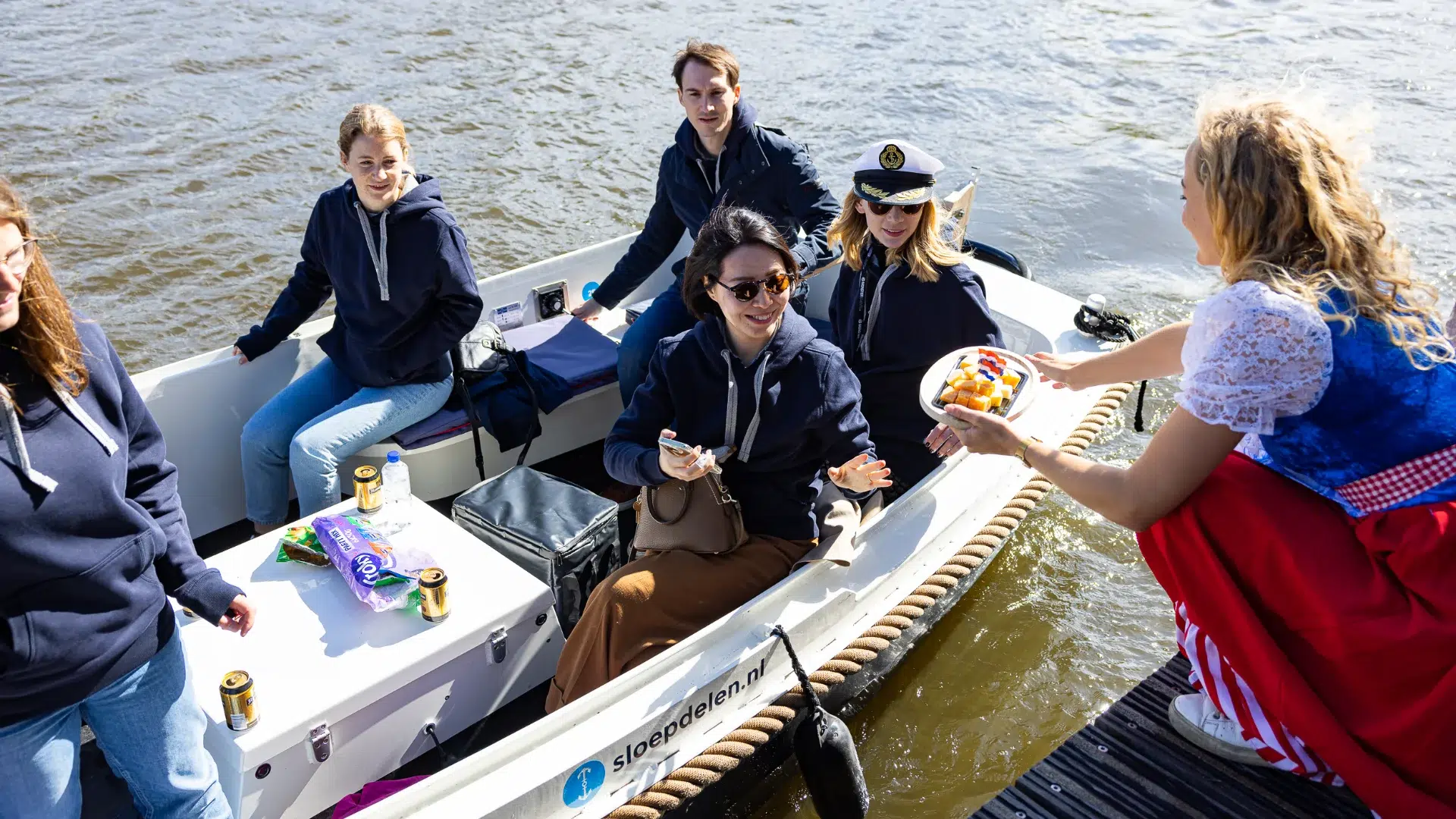
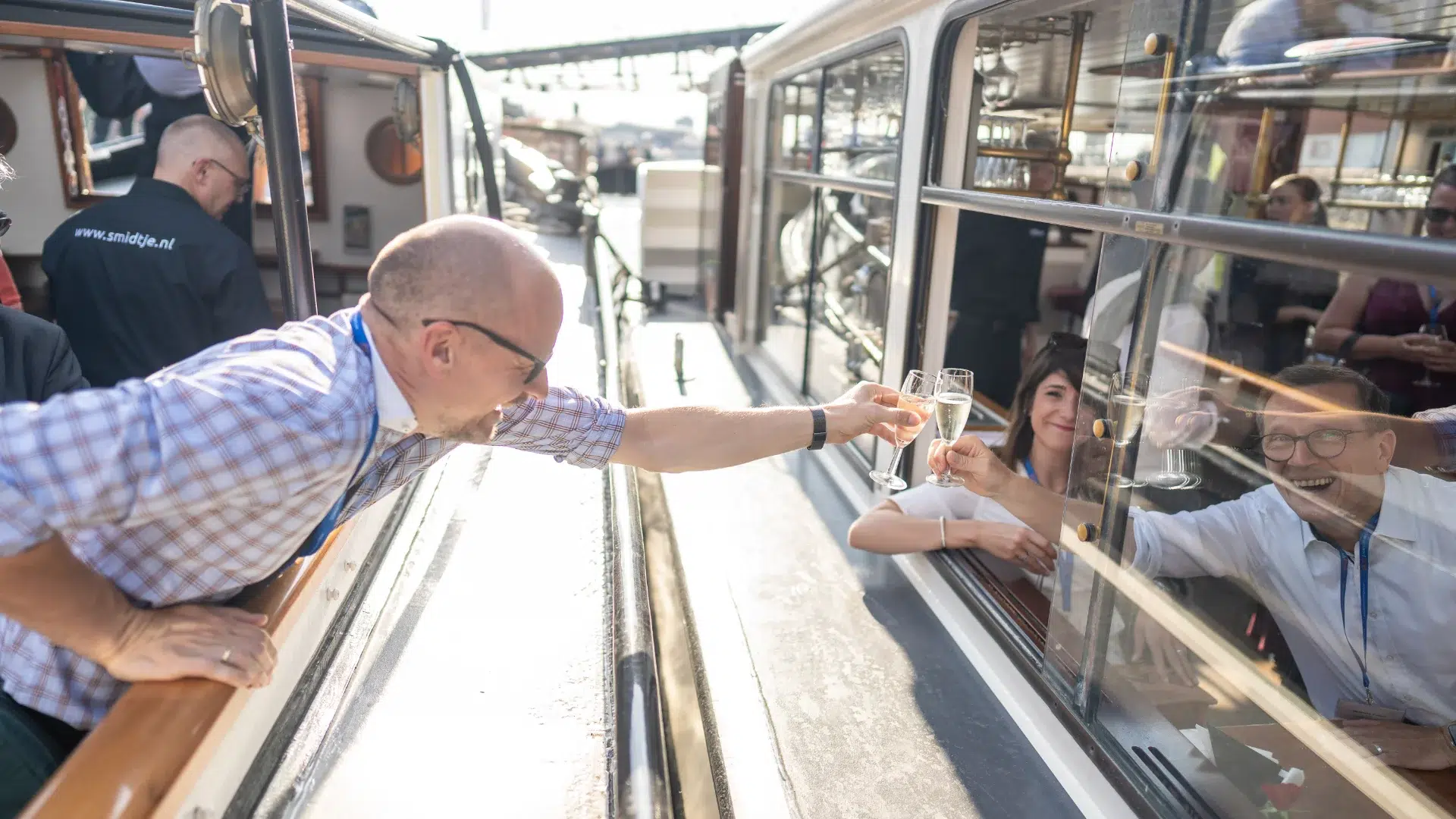
A private canal journey can connect the city experience with dinner or a reception, turning transport into part of the programme. The operational questions matter: where guests board, how many vessels are required, whether the group stays together, how catering will work and what happens in poor weather.
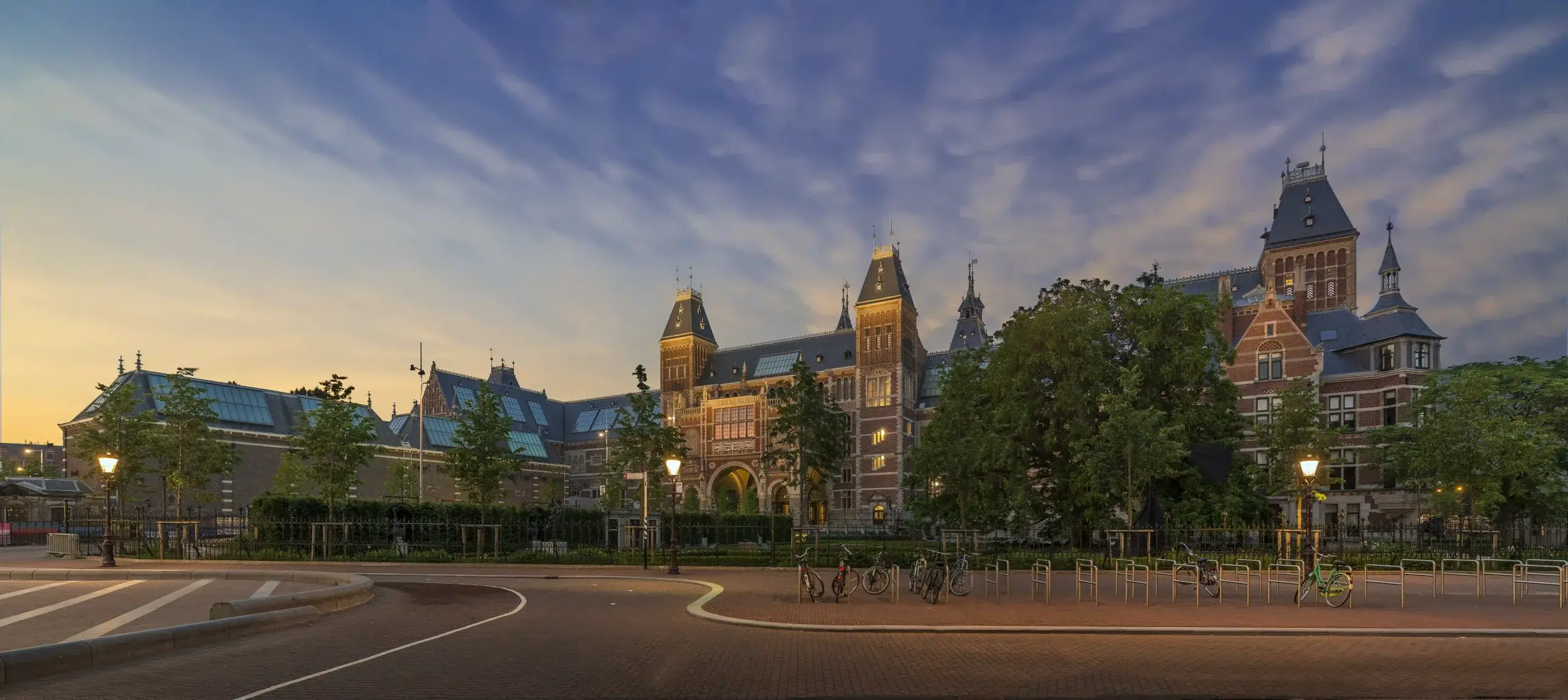
Cultural access can provide a quieter counterpoint to a demanding meeting day. The Rijksmuseum offers organised group visits, but ticketing, guide arrangements, security rules and arrival timing should be confirmed early. For creative or team-led sessions, workshops with local makers, food specialists or designers can feel more personal when the activity reflects the event’s purpose.
Use the desired guest response to shape the choice:
The Amsterdam Convention Bureau’s incentive ideas can broaden the search, but the final selection should still be tested against timing, group size, accessibility and relevance. One well-chosen experience will usually be remembered more clearly than several hurried stops.
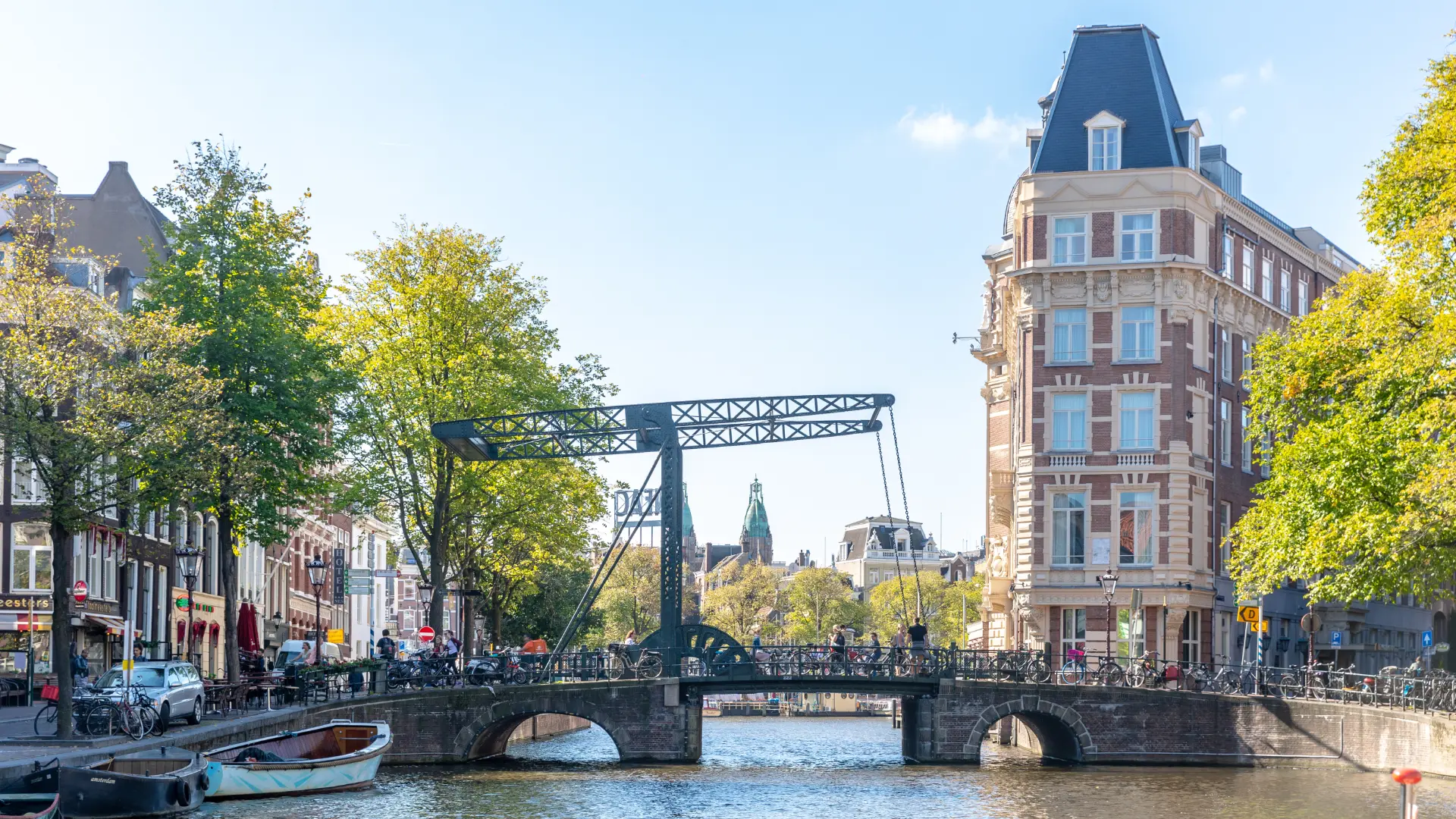
Amsterdam Schiphol Airport is one of the destination’s strengths, and direct rail services make central Amsterdam straightforward for individual travellers. Corporate arrivals, however, rarely happen as one neat movement. Flights change, luggage takes time and guests may arrive across several terminals and time windows.
Build an arrival plan around actual flight waves. Decide where guests will be met, how late arrivals are handled, what happens to luggage before hotel check-in and whether the first programme element can absorb delays without disrupting everyone else.
Inside the city, a short distance on a map may involve restricted coach access, a canal crossing, a busy cycling route or a walk that is uncomfortable with luggage or formal shoes. The City of Amsterdam publishes specific rules for coaches and tour buses, including routes, stopping times and designated passenger stops.
Before confirming a venue or activity, verify:
Mixed transport can work particularly well in Amsterdam. Guests might arrive by coach, move between central locations on foot and travel to dinner by private boat. The experience feels effortless only when timings, capacities, boarding points and contingency routes are planned as one movement system.
The same principle applies to programmes using several locations. Our article on designing a multi-venue client event explains how each venue should perform a distinct role within one connected guest journey.
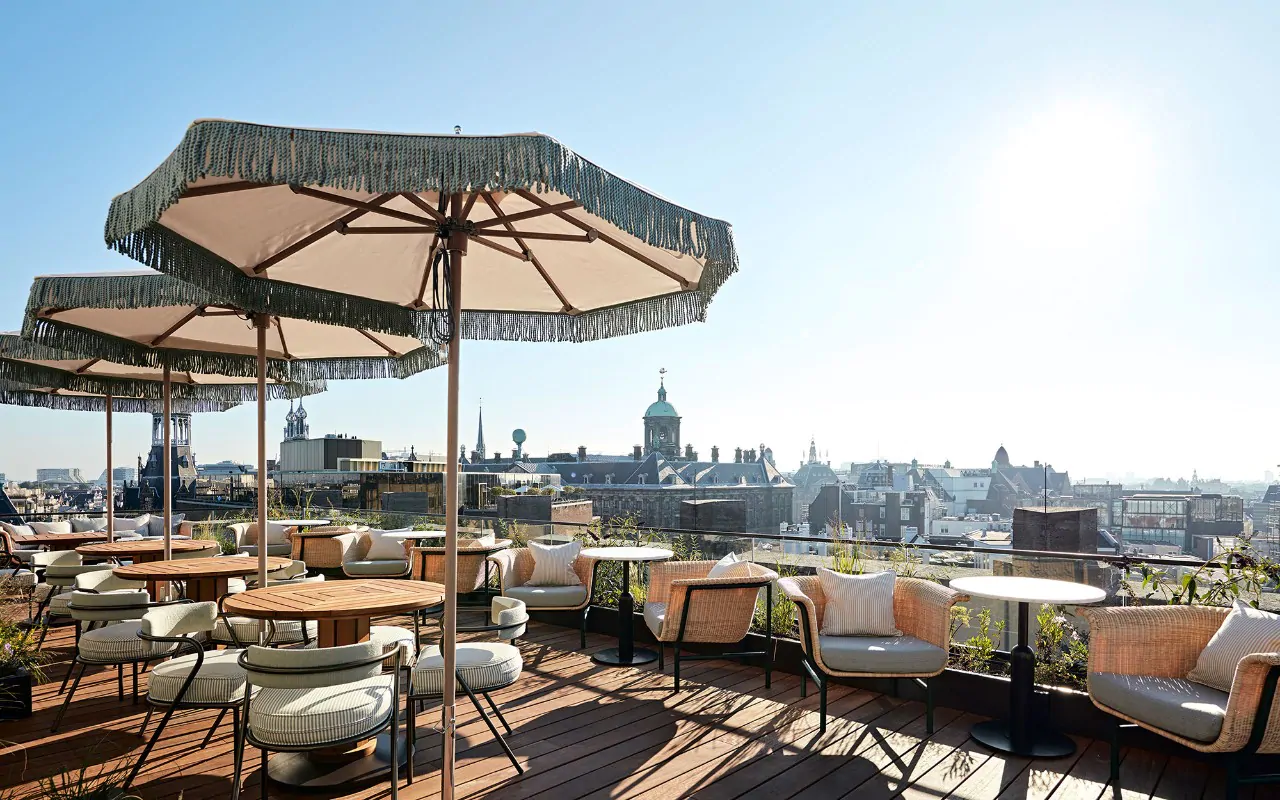
Season affects more than the photographs. Spring can be highly attractive and highly competitive. Summer supports terraces, waterfront settings and outdoor movement, but heat, rain and visitor density still need a response. Autumn often suits content-led programmes, while winter can work beautifully for intimate dinners and cultural access if transfers and daylight are considered.
Every outdoor element needs a credible alternative that preserves the quality of the programme. A weather plan is not simply a tent or a spare room. It should account for revised guest movement, catering, furniture, production, signage and supplier timings.
The city calendar matters just as much. Major congresses, festivals, public holidays and events at RAI Amsterdam can affect hotel availability, rates, traffic and supplier capacity across the city, even when your own programme takes place elsewhere.
Check the RAI Amsterdam event calendar and the wider city calendar before presenting dates as fixed. A strong venue offer can become a weak programme if accommodation is fragmented or key suppliers are already committed.
A proposal can look complete while leaving important delivery details unresolved. Bring Amsterdam’s practical conditions into the commercial review before signature.
Confirm in writing:
Ask each venue to separate what is included, mandatory and optional. Technical packages, security, cleaning, furniture moves, power, internet upgrades and late access can materially change the working budget. The purpose is not to make the contract longer. It is to make delivery responsibilities unmistakable.
The most effective Amsterdam programmes have a clear rhythm. Arrival day creates orientation without exhausting guests. The main business day protects focus. The evening changes the pace and reveals another side of the city. The closing session gives the programme a purposeful end.
That rhythm should shape every choice. If the business content is intense, the evening may need space for conversation rather than another structured activity. If the hotel sits outside the historic centre, a private water transfer can create a stronger sense of arrival. If guests are meeting for the first time, the opening format should help them connect before formal content begins.
“The most effective Amsterdam programmes use the city as connective tissue, not as a catalogue of attractions.”
Our meeting in Amsterdam project shows how a business programme can combine a central base, content sessions and local experiences without losing its focus.
If the programme is a retreat rather than a conference or launch, our guide to corporate retreat planning in Europe explains how planning ownership, budget and lead time should shape the brief.
For teams comparing external planning support, see how to choose an incentive travel agency for practical questions about scope, fees and delivery responsibility.
EVENTÔIR is based in Amsterdam and plans corporate events across the Netherlands and Europe. We combine local venue knowledge with programme design, guest logistics, supplier coordination and on-site delivery.
Our hotel and venue sourcing service can help you build a shortlist around the actual brief, not a generic venue list. If you are considering Amsterdam for a conference, leadership meeting, client event or incentive programme, contact EVENTÔIR to discuss the right starting point.

Managing Director @ EVENTÔIR
With 12 years of global event-management experience, Jacqueline leads teams that translate corporate objectives into emotionally resonant, seamlessly executed experiences.
Plan Marrakech incentive travel around seasonality, airport arrivals, Medina access, group movement and a considered programme rhythm.
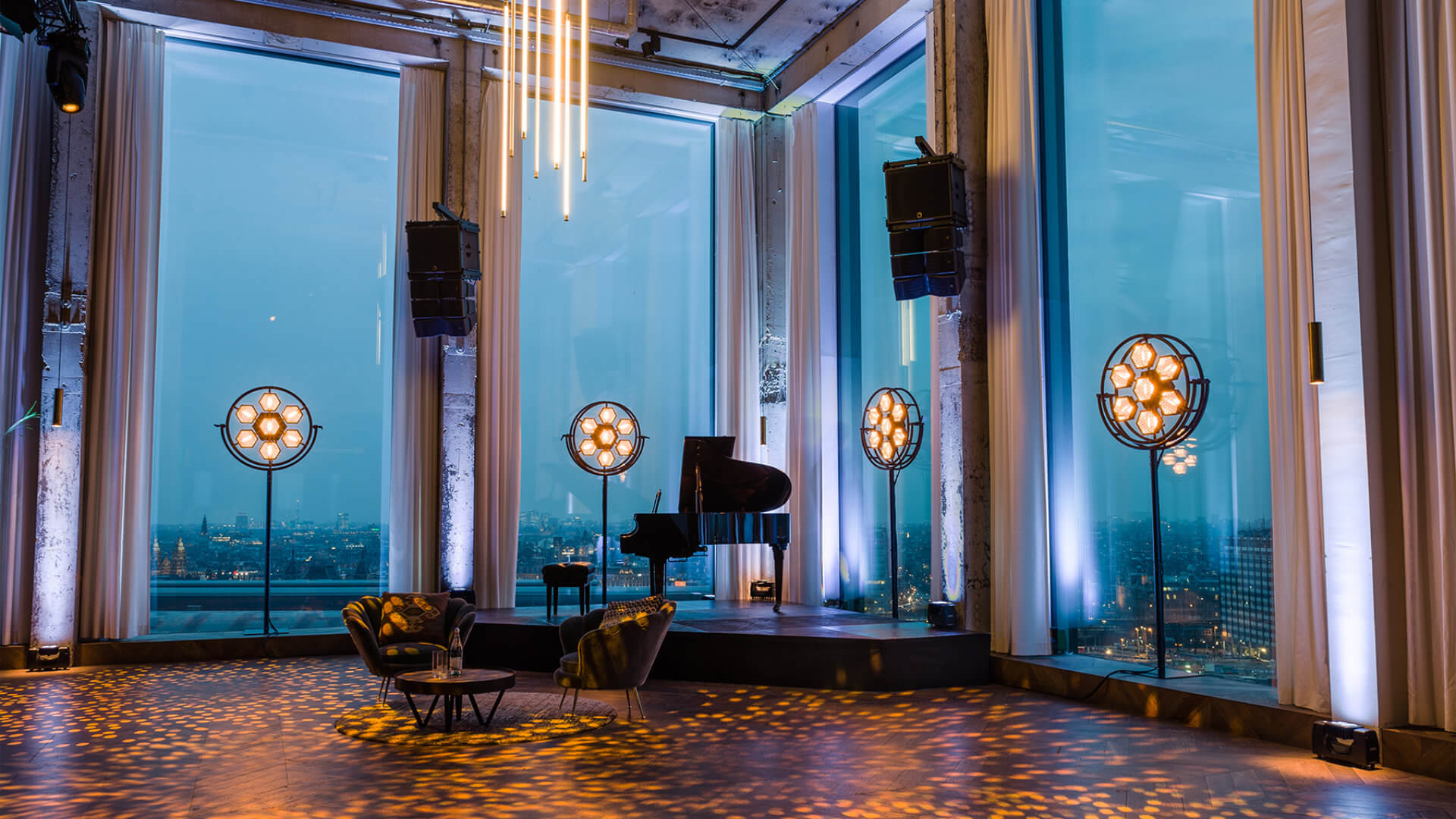
Plan a CEO programme in Amsterdam with practical advice on executive venues, canal logistics, private access and well-paced experiences.
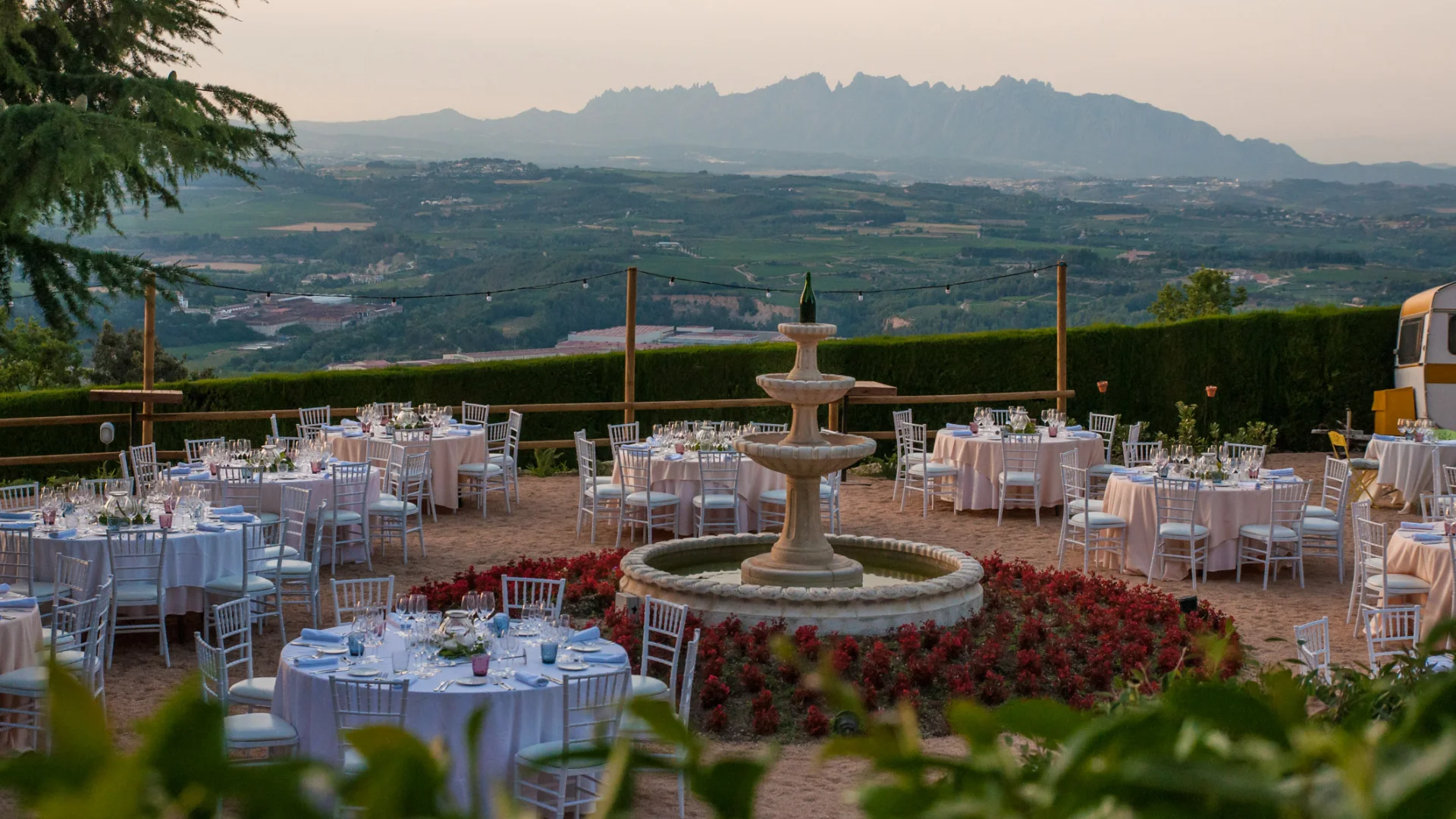
A practical guide to designing a discreet, high-value CEO or pharma leadership programme in Europe, with planning lessons from Paris, Chantilly and Milan.

With more than 20 years of experience in international event coordination, Conny is known for her proactive approach, strong problem-solving skills, and meticulous attention to detail. She anticipates challenges with ease and ensures every aspect of an event is planned to perfection.
Fluent in German, English, and Spanish, Conny’s positive, sociable nature allows her to adapt effortlessly to diverse situations and teams. She is passionate about creating structured, memorable events that run seamlessly from start to finish.
In her free time, she enjoys spending time with her partner and friends, being in nature, and dreaming of one day having a home with a large garden full of animals.

With over 25 years of experience in national and international corporate events, Lidia specializes in the automotive and MICE sectors across Europe. Her German–Spanish heritage and fluency in Spanish, German, and English give her a unique intercultural perspective, allowing her to quickly adapt to client needs.
Lidia is passionate, proactive, and flexible — equally comfortable leading projects or collaborating within a team. Known for her strong communication and negotiation skills, she is dedicated to creating events that exceed expectations for both attendees and organizers.
In her free time, she enjoys exploring new countries and cultures and spending time with dogs.
With 12 years of experience in international event management, Jacqueline leads Eventôir with a clear vision: to create seamless, high-impact events that leave a lasting impression. Having grown up in Spain, she works fluently in English, Dutch, and Spanish, which allows her to collaborate effortlessly with clients and partners around the world.
She has successfully delivered complex projects for global brands, including multi-day programs for up to 7,000 participants across 20 venues. Known for her meticulous planning, creative concepts, and ability to unite diverse stakeholders, Jacqueline blends business objectives with memorable guest experiences. Her flexibility and attention to detail have earned her a reputation as a trusted partner for brands seeking both elegance and flawless execution.
Outside of work, she is passionate about exploring new destinations and planning unforgettable trips. She enjoys staying active with nature hikes, gym workouts, Reformer Pilates, and Yin Yoga. She also loves cooking Mediterranean-inspired dishes, good coffee, and photography, with a special interest in interior design.