The New Era of Corporate Events in Europe
The New Era of Corporate Events in Europe Destinations | admin | Last updated: May
To choose the right destination for your corporate event, work through five filters in order: event format and objectives, attendee flight access, group size against venue capacity, season against budget, and finally distinctiveness. The order matters. Teams that start with the destination and work backwards almost always pay for it later, in cost, logistics, or both.
That’s the framework. Here’s why it runs in that direction.
In most planning conversations we join, the destination has already been chosen. Someone senior visited Lisbon and loved it. The CEO wants Marrakech. The team did Barcelona last year, so it has to be somewhere new.
We understand the impulse, and we’ll say the uncomfortable thing: a destination chosen by appeal is a constraint, not a decision. Once the city is fixed, every other choice (dates, venue, budget, program) has to bend around it. When the destination comes last, it bends around your event instead.
Since 2017 we’ve planned programs across 40+ countries, for groups of 30 to 700, and the events that land best are almost never the ones with the most glamorous postcode. They’re the ones where the destination fit the format. So, the filters.
A leadership offsite, a 500-person conference, an incentive trip, and a product launch have almost nothing in common as production challenges. Each points to a different kind of place.
Conferences need venue capacity, hotel inventory within walking distance, and redundant AV infrastructure. Incentives need privacy, novelty, and experiences attendees couldn’t book themselves. Leadership offsites need quiet, a single property that can hold the group exclusively, and short transfers, because senior calendars punish lost half-days.
Write down the format, the business objective, and the three things the event must achieve. Every destination candidate gets tested against that sentence, not against photographs.
Pull your attendee list and find the top five departure cities. Then check direct routes from those cities, not from headquarters.
This filter eliminates more destinations than any other. A coastal town that’s 90 scenic minutes from the nearest airport reads as charming in a proposal and feels different at 11pm on arrival day. As a working rule: total door-to-door travel shouldn’t exceed a third of the program length. For a two-day offsite, that means roughly five hours, which quietly rules out most long-haul options for short formats.
There’s a positive version of this filter too. If your attendees cluster in northern Europe, the well-served southern routes (Malaga, Lisbon, Palma) give you warmth without connections.
Every destination has a natural group-size range, and exceeding it shows.
A 600-person conference in a small coastal town means splitting the group across four hotels and shuttling everyone to dinner. A 40-person board retreat in a convention city means your group disappears into a hotel built for two thousand. Neither fails loudly. Both leak quality.
The test we use: can the destination hold your whole group in one or two properties, with a gala-capacity venue and a backup, at your dates? If you can’t answer that, this is the stage for a structured sourcing pass. It’s exactly the work our hotel and venue sourcing team does before we’ll recommend any destination, because inventory at your specific dates is the truth that brochures don’t carry.
The same program in the same city can vary 30 to 40% by month. Southern Europe peaks in summer alongside leisure travel. Cities with strong trade-fair calendars (Amsterdam, Milan, Frankfurt) spike around fairs regardless of season, and those dates are published years ahead.
Shoulder seasons are the experienced planner’s habit: March to May and September to October deliver southern Europe at its best weather-to-cost ratio. And winter isn’t a fallback. Some of the strongest incentive programs we’ve produced ran in February, deliberately.
Check the practical layer here as well: visa requirements for your attendee nationalities and official travel advice, such as the UK government’s foreign travel advisory pages, before anything is signed.
Only now, with three or four candidates that survived the first four filters, does the question become the one everyone wanted to start with: which place will people remember?
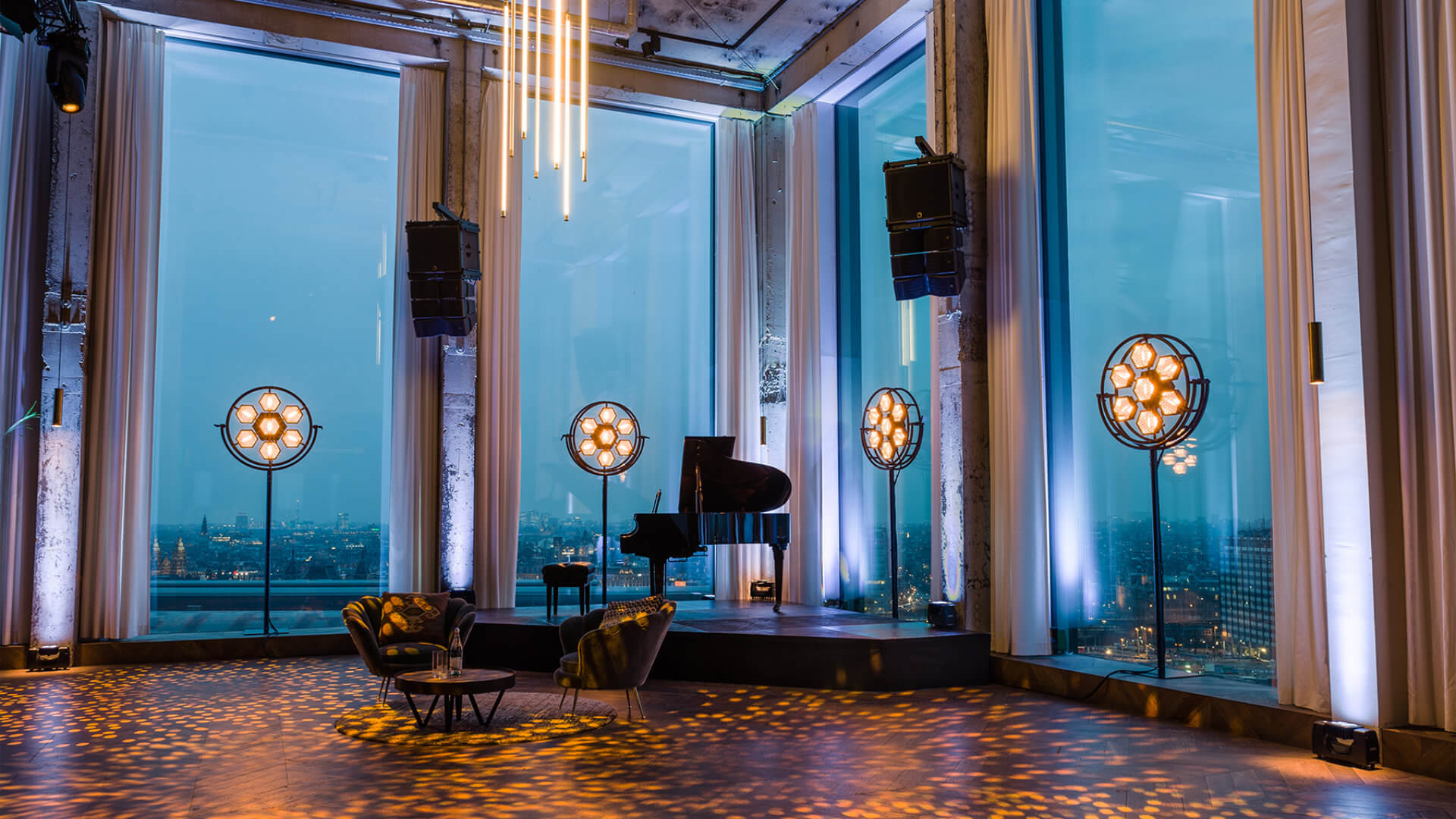
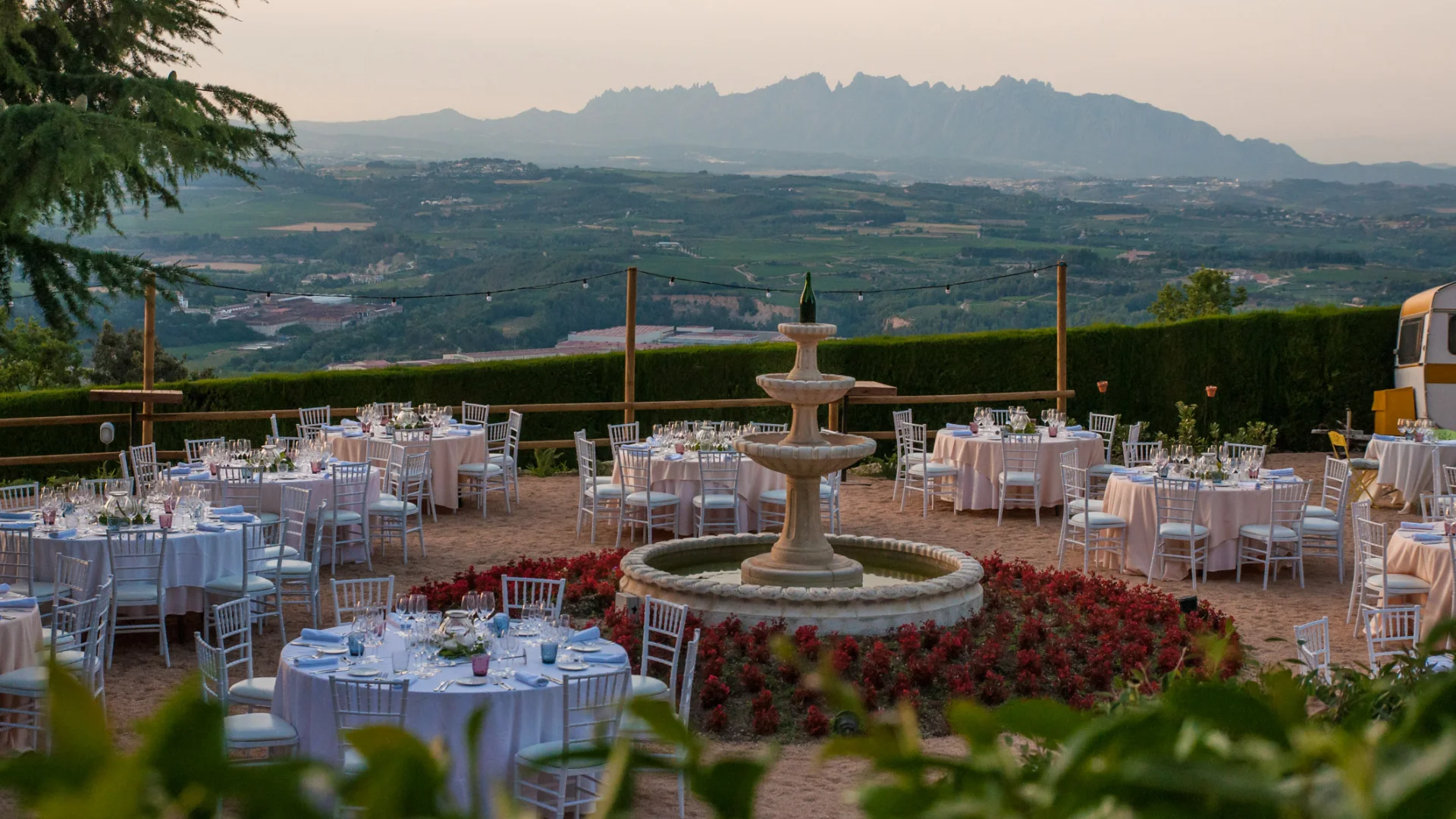
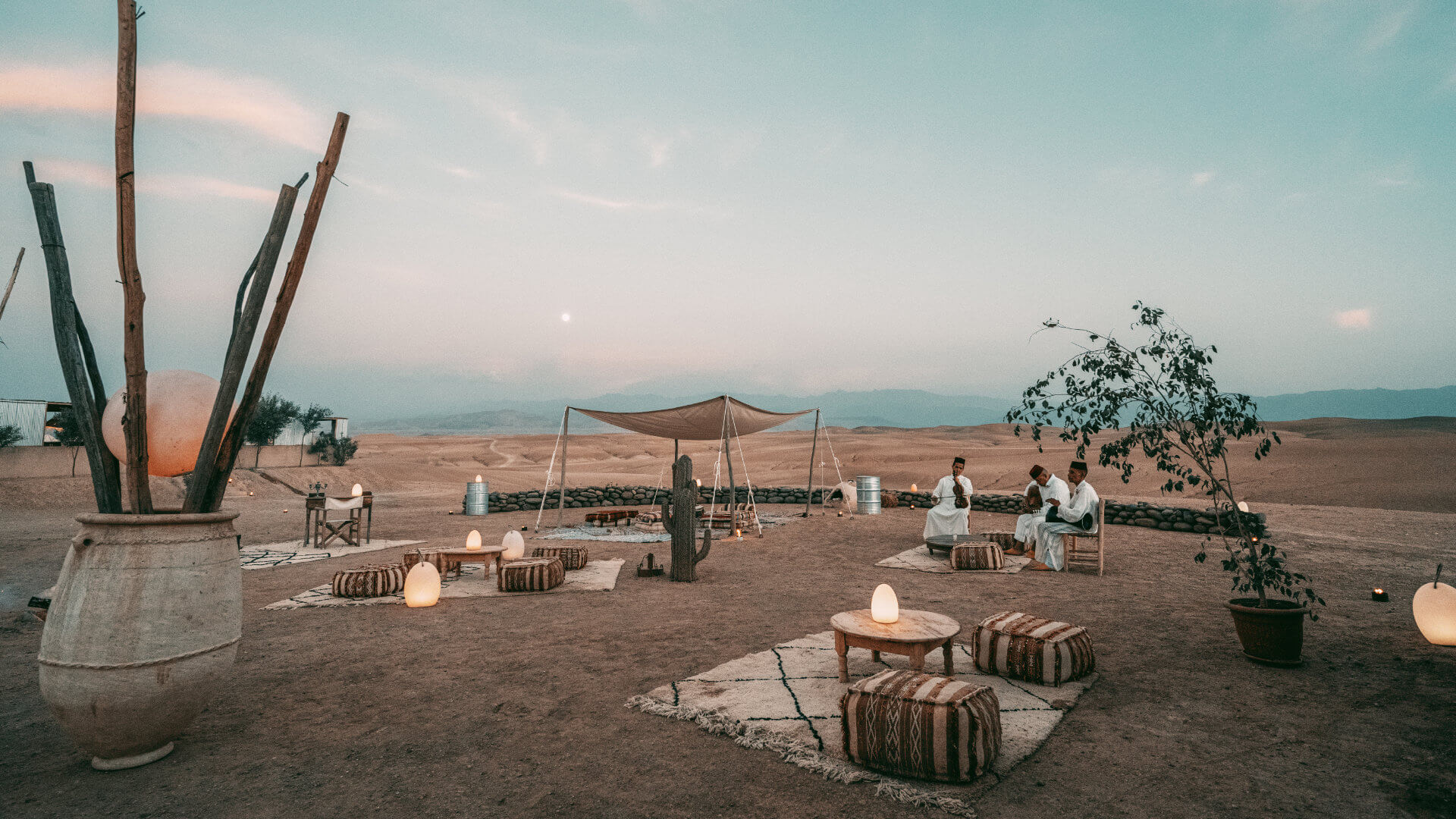
Our test is simple. If the experience could happen in any business district anywhere, keep looking. Distinctiveness doesn’t require exotic, it requires specific: a private riad dinner in Marrakech, a mountain wadi outside Muscat, a canal crossing to a gala venue instead of a coach. One image attendees describe to colleagues afterwards is worth more than five-star everything.
This is where a destination earns its place on the shortlist. Not by being impressive in general, but by offering something your specific group, at your specific format, will actually feel.
A real example of the logic. When we produced an incentive for DHL in Malaga, the destination wasn’t the starting point. The format (reward, multi-day, active) and the attendee map came first; Malaga survived the filters because of direct routes from the group’s home cities, one-property capacity at the right level, and an Andalusian experience layer that couldn’t be replicated at home. The destination was the output of the process, and the program felt like it.
If you’re earlier in the journey, our guides on choosing the best event destination and picking the right destination for incentive travel go deeper on specific scenarios. And if you have a shortlist and want it stress-tested against real inventory and real dates, that’s a conversation we’re glad to have.
Flight access from your attendees’ home cities. A destination that requires connections for most of your group adds cost, fatigue, and arrival risk before the event begins. Check direct routes from your top five departure cities before evaluating anything else.
Choose the destination 9 to 14 months ahead for international programs. Venue and hotel inventory at specific dates shrinks fast inside that window, especially in cities with trade-fair calendars or strong summer leisure demand.
Yes. Conferences need venue capacity and hotel density, incentives need privacy and novelty, and leadership offsites need exclusivity and short transfers. A destination that excels for one format can underperform badly for another.
The same program can vary 30 to 40% in cost depending on the month. Shoulder seasons (March to May, September to October) usually offer the best balance of weather, availability, and price in European destinations.
Send us your shortlist and your dates. We’ll test each city against real availability and tell you which one fits.
EVENTÔIR has planned corporate events in 40+ countries since 2017, for groups of 30 to 700. We’ll help you choose for the right reasons.
Managing Director @ EVENTÔIR
With 12 years of global event-management experience, Jacqueline leads teams that translate corporate objectives into emotionally resonant, seamlessly executed experiences.

The New Era of Corporate Events in Europe Destinations | admin | Last updated: May

A guide to designing luxury corporate events in Marrakech through culture, storytelling, and immersive experiences.

Discover how Cascais combines oceanfront elegance, relaxed luxury, and inspiring experiences for unforgettable corporate offsites.
With more than 20 years of experience in international event coordination, Conny is known for her proactive approach, strong problem-solving skills, and meticulous attention to detail. She anticipates challenges with ease and ensures every aspect of an event is planned to perfection.
Fluent in German, English, and Spanish, Conny’s positive, sociable nature allows her to adapt effortlessly to diverse situations and teams. She is passionate about creating structured, memorable events that run seamlessly from start to finish.
In her free time, she enjoys spending time with her partner and friends, being in nature, and dreaming of one day having a home with a large garden full of animals.
With over 25 years of experience in national and international corporate events, Lidia specializes in the automotive and MICE sectors across Europe. Her German–Spanish heritage and fluency in Spanish, German, and English give her a unique intercultural perspective, allowing her to quickly adapt to client needs.
Lidia is passionate, proactive, and flexible — equally comfortable leading projects or collaborating within a team. Known for her strong communication and negotiation skills, she is dedicated to creating events that exceed expectations for both attendees and organizers.
In her free time, she enjoys exploring new countries and cultures and spending time with dogs.
With 12 years of experience in international event management, Jacqueline leads Eventôir with a clear vision: to create seamless, high-impact events that leave a lasting impression. Having grown up in Spain, she works fluently in English, Dutch, and Spanish, which allows her to collaborate effortlessly with clients and partners around the world.
She has successfully delivered complex projects for global brands, including multi-day programs for up to 7,000 participants across 20 venues. Known for her meticulous planning, creative concepts, and ability to unite diverse stakeholders, Jacqueline blends business objectives with memorable guest experiences. Her flexibility and attention to detail have earned her a reputation as a trusted partner for brands seeking both elegance and flawless execution.
Outside of work, she is passionate about exploring new destinations and planning unforgettable trips. She enjoys staying active with nature hikes, gym workouts, Reformer Pilates, and Yin Yoga. She also loves cooking Mediterranean-inspired dishes, good coffee, and photography, with a special interest in interior design.