The Ultimate Guide to Planning a Luxury Corporate Event in Marrakech
A guide to designing luxury corporate events in Marrakech through culture, storytelling, and immersive experiences.
Most European corporate events still look familiar on the surface. Pull the brief apart, and almost nothing in it is the same.
Six structural shifts are reshaping how European corporate events get built in 2026: strategy now leads design, destinations are chosen for narrative fit, sustainability has moved from messaging to structure, agendas are giving way to experience design, connection has become a designed deliverable, and production excellence is a baseline rather than a differentiator.
This is a field note from our studio in Amsterdam, drawn from briefs we’ve worked across more than forty countries in the last eighteen months. Some of these shifts have hardened into expectation. Others are still moving.
Three years ago, formats came first. Strategies got fitted afterwards.
That order has flipped.
Leadership summits are now scoped around alignment and decision-making before anyone names a venue. Product launches arrive with a market thesis attached. Client events come with success metrics that go beyond headcount. Look at the Forbion Annual LP Meeting and Investors Dinner: every design decision served the relationship and disclosure objectives of the meeting. Nothing was decorative.
Here’s what that means in practice. Aesthetic choices have to defend themselves now. Beauty without intent reads as expensive performance, and European audiences are quick to spot it.
The map has redrawn. Three patterns stand out.
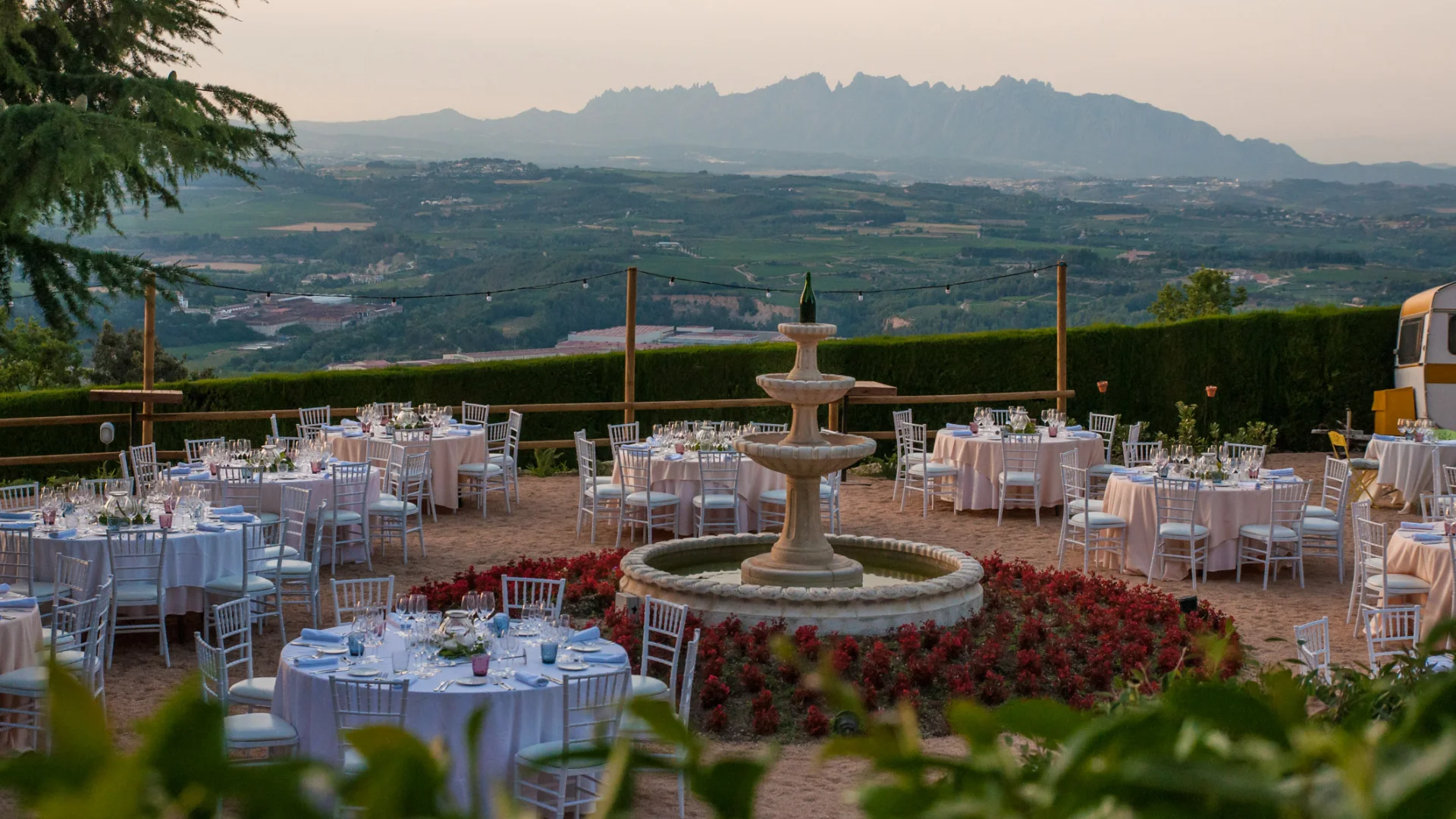
Leadership offsites are leaving the major capitals. The Portuguese coast around Cascais, the Catalan villages outside Barcelona, parts of Norway for winter alignment events. Capitals carry too many distractions for events whose purpose is sharper thinking.
Brand activations have stayed urban, but the cities have shifted. Amsterdam, Lisbon, and Porto now absorb work that historically went to London or Paris. Cost is part of it. Sense of place is more of it.
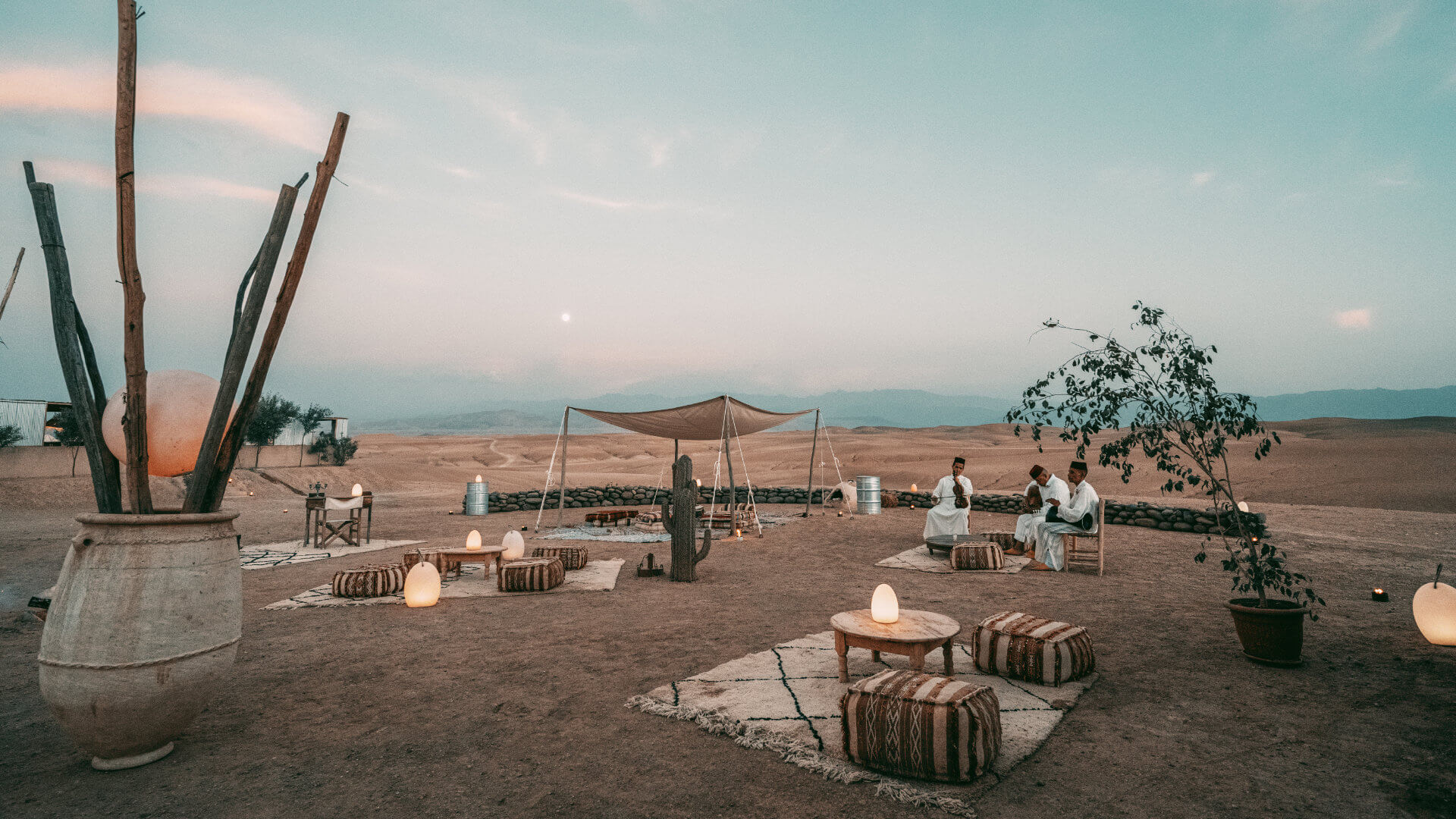
Incentive trips have widened. Marrakech, Muscat, the Amalfi Coast, and Sardinia show up in briefs that would once have stopped at the Mediterranean. The destination has to do narrative work now, not just logistical work.
Three years ago, sustainability lived in the communications layer. Visible signage. Plant-based menus described carefully. Carbon offset paragraphs in the post-event report.
That layer hasn’t gone away. It’s just no longer where the actual work happens.
Procurement teams now ask structural questions early in the brief: local sourcing thresholds, logistics simplification, material reuse, supplier provenance. Properties like Mas Salagros on the Catalan coast show what real integration looks like in practice rather than in copy. The honest answer is that audiences read consistency in execution far better than they read messaging.
The implication is simple. Sustainability has to be designed into the brief, not added to the end of it.
The traditional run-of-show is losing its grip. Back-to-back sessions. Predictable coffee breaks. The standard gala dinner with awards. They still appear. They no longer drive the event.
What clients want now is a designed energy curve. Where attention should rise, where it should rest, where the most important thing should be heard.
In practice, that means fewer presentations and shorter ones. More small-group formats. More movement between spaces. Deliberately staged opening and closing experiences, because that’s what guests carry home. We’ve gone deeper on this approach in our piece on what makes a brand activation memorable.
Hybrid working changed in-person events more than most clients expected.
When teams were in the office five days a week, networking time was a top-up to existing relationships. Now, the event is often the only moment in the year when those relationships happen at all. Connection has lifted from a side benefit to a primary deliverable.
Here’s where most agencies fall short. Open-ended networking, the default fallback for years, doesn’t reliably produce the conversations clients are paying for. The events that do tend to use curated seating, hosted dinners, moderated formats, and small-group experiences that give people something to do together.
The shift sounds operational. It’s actually editorial. Connection has to be designed the way content is.
Production quality has crossed a threshold. It’s no longer a differentiator. It’s a baseline.
Redundant AV. Rehearsed run orders. Real-time on-site coordination. Experienced technical teams on the floor. All expected. All earn no praise when delivered well, and all take down the entire event when delivered badly.
What clients now look for are the second-tier signals. The calmness of the on-site team. The precision of the rehearsal documentation. The quality of the contingency plan. Those are the markers that predict whether the event lands. We design every project at EVENTÔIR Event Production around that exact logic.
Read these six shifts back to back, and one thing stands out. None of them are loud.
European corporate events aren’t becoming more theatrical. They’re becoming more accountable. The brief is being asked to do more strategic work. The destination is being asked to do more narrative work. The production layer is being asked to do its job and disappear.
For the next event you’re scoping, that means designing from objective outward, choosing environments that earn their place in the story, and treating sustainability and connection as structural choices rather than communications layers. The practical framework sits in our corporate event planning checklist.
If a leadership event, brand activation, or international conference is on your horizon, the most useful conversation is usually the earliest one. We’re happy to have it.
Let’s design an experience that balances cultural depth with flawless execution.
Contact EVENTÔIR to start shaping your corporate event program.
Managing Director @ EVENTÔIR
With 12 years of global event-management experience, Jacqueline leads teams that translate corporate objectives into emotionally resonant, seamlessly executed experiences.

A guide to designing luxury corporate events in Marrakech through culture, storytelling, and immersive experiences.

Discover how Cascais combines oceanfront elegance, relaxed luxury, and inspiring experiences for unforgettable corporate offsites.

Compare Portugal and Spain for corporate incentive travel — from luxury retreats and culture to budget, scale, and guest experience.
With more than 20 years of experience in international event coordination, Conny is known for her proactive approach, strong problem-solving skills, and meticulous attention to detail. She anticipates challenges with ease and ensures every aspect of an event is planned to perfection.
Fluent in German, English, and Spanish, Conny’s positive, sociable nature allows her to adapt effortlessly to diverse situations and teams. She is passionate about creating structured, memorable events that run seamlessly from start to finish.
In her free time, she enjoys spending time with her partner and friends, being in nature, and dreaming of one day having a home with a large garden full of animals.
With over 25 years of experience in national and international corporate events, Lidia specializes in the automotive and MICE sectors across Europe. Her German–Spanish heritage and fluency in Spanish, German, and English give her a unique intercultural perspective, allowing her to quickly adapt to client needs.
Lidia is passionate, proactive, and flexible — equally comfortable leading projects or collaborating within a team. Known for her strong communication and negotiation skills, she is dedicated to creating events that exceed expectations for both attendees and organizers.
In her free time, she enjoys exploring new countries and cultures and spending time with dogs.
With 12 years of experience in international event management, Jacqueline leads Eventôir with a clear vision: to create seamless, high-impact events that leave a lasting impression. Having grown up in Spain, she works fluently in English, Dutch, and Spanish, which allows her to collaborate effortlessly with clients and partners around the world.
She has successfully delivered complex projects for global brands, including multi-day programs for up to 7,000 participants across 20 venues. Known for her meticulous planning, creative concepts, and ability to unite diverse stakeholders, Jacqueline blends business objectives with memorable guest experiences. Her flexibility and attention to detail have earned her a reputation as a trusted partner for brands seeking both elegance and flawless execution.
Outside of work, she is passionate about exploring new destinations and planning unforgettable trips. She enjoys staying active with nature hikes, gym workouts, Reformer Pilates, and Yin Yoga. She also loves cooking Mediterranean-inspired dishes, good coffee, and photography, with a special interest in interior design.