Destinations
Corporate Retreat Planning in Europe: Agency, Budget and Timeline
Plan a corporate retreat in Europe with practical guidance on agency support, budget allocation, lead times and destination decisions.

How three distinctive waterfront settings can support one coherent international guest journey.
Barcelona offers event planners an unusual concentration of character. Within a relatively compact part of the city, a programme can move from Mediterranean dining to marina hospitality and an informal evening beside the beach. Each setting brings a different mood, yet the distances between them can remain manageable.
That variety is an advantage only when it is properly directed.
Guests should not feel that they are attending three unrelated events connected by transfers. They should experience one programme with a clear beginning, a strong central moment and a natural conclusion. Achieving that takes more than selecting attractive venues. It requires a shared creative idea, realistic movement planning and careful control of every transition.
For international client events, the central question is therefore not simply, “Which Barcelona venues should we use?” It is, “What role should each venue play in the guest journey?”
“A multi-venue programme succeeds when guests experience movement as progression, not interruption.”
Using several venues can give an event rhythm. A formal business session can lead into a waterfront reception. A high-energy brand moment can be followed by a more relaxed dinner. Guests see different aspects of Barcelona without the programme feeling like a conventional city tour.
The risk is fragmentation. Every change of setting introduces another arrival, another welcome, another supplier handover and another opportunity for the pace to weaken.
Venue selection should begin with programme purpose rather than appearance. One setting may be ideal for conversation but unsuitable for a complex technical production. Another may provide scale and visual impact, yet require more detailed access, weather and crowd-flow planning. A third may be strongest as a closing experience because it allows guests to relax without signalling that the programme has simply stopped.
This is the same principle that guides any high-impact corporate event: creative ambition and operational planning have to develop together. When the sequence is considered early, the venues stop competing for attention and begin contributing to the same story.
El Tribut, Marina Port Vell and SALT illustrate how three waterfront settings can serve very different purposes. They are useful planning examples rather than a fixed itinerary. The right combination will always depend on the event objective, guest profile, production requirements and availability.
Programme roles at a glance
|
Venue |
Programme role |
Guest experience |
Planning priority |
|
El Tribut |
Opening lunch or hosted dinner |
Warm, local and conversational |
Privacy, dining flow and terrace fallback |
|
Marina Port Vell |
Principal reception or brand moment |
Contemporary, flexible and visually strong |
Access, technical production and wind plan |
|
SALT at W Barcelona |
Sunset gathering or social close |
Relaxed, coastal and energetic |
Exclusivity, sound limits and indoor alternative |
For a broader view of individual spaces, EVENTÔIR’s Barcelona venue guide explores additional settings across the city.
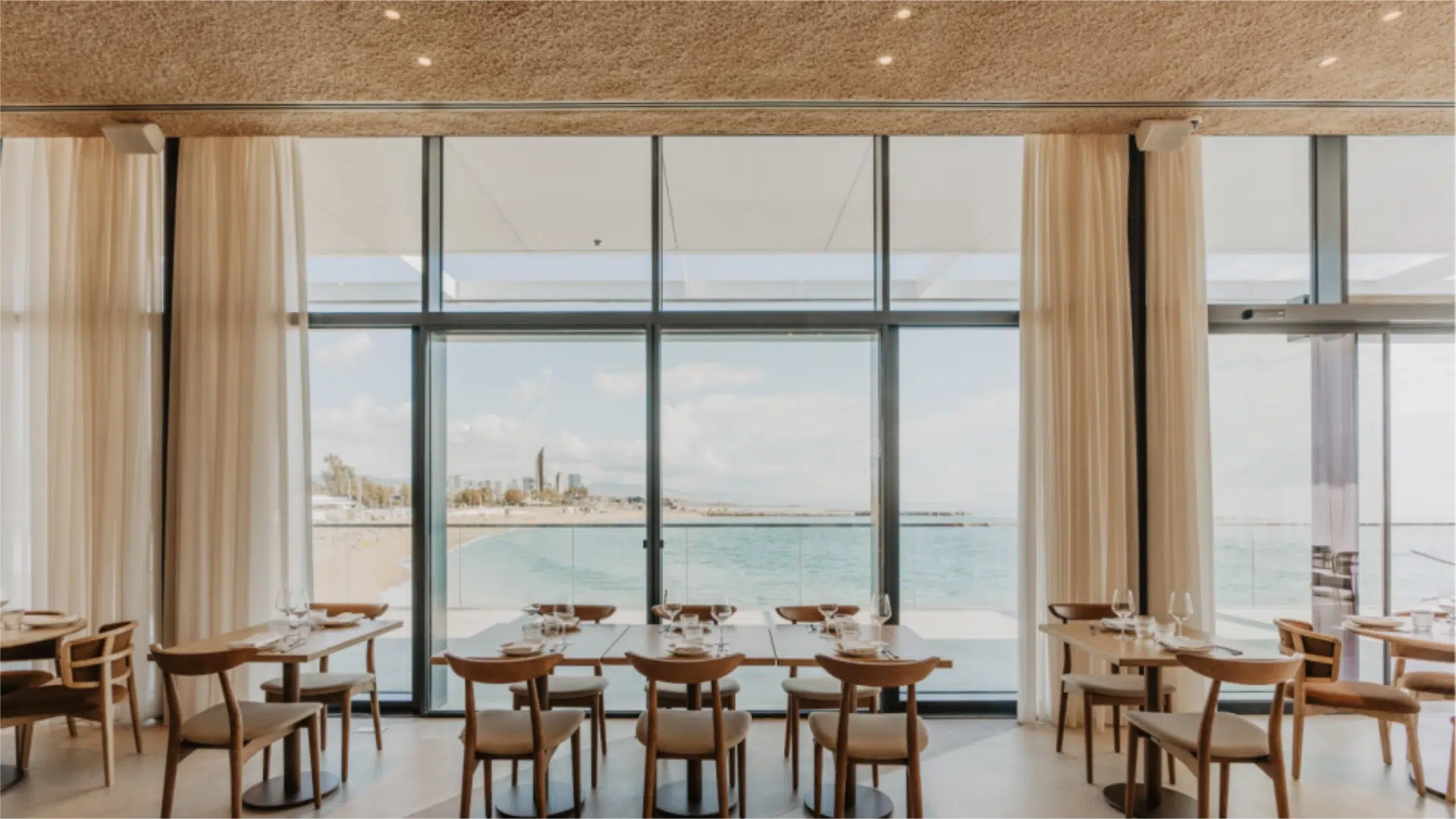
Located at Barcelona’s Olympic Port, El Tribut combines Mediterranean views with interiors inspired by natural forms and the city’s modernist identity. Its seasonal Catalan approach gives organisers an immediate connection to place without requiring a heavily themed experience.
That makes it particularly relevant for the more personal part of a programme. It could support a hosted lunch after arrivals, a leadership dinner or an opening evening where guests need time to settle and reconnect.
The operational decisions should protect that intimacy. Planners need to understand whether the group will use the dining room, terrace or both; how other customers may affect privacy; and whether the arrival can be managed without congestion. Menu pacing matters too. A dinner designed for conversation should not become so extended that it compromises the following day.
Dietary information should be collected and communicated early for an international audience. Seating should reflect the relationship objectives rather than simply filling tables. If remarks or light entertainment are planned, sightlines and sound levels need to be considered before adding production.
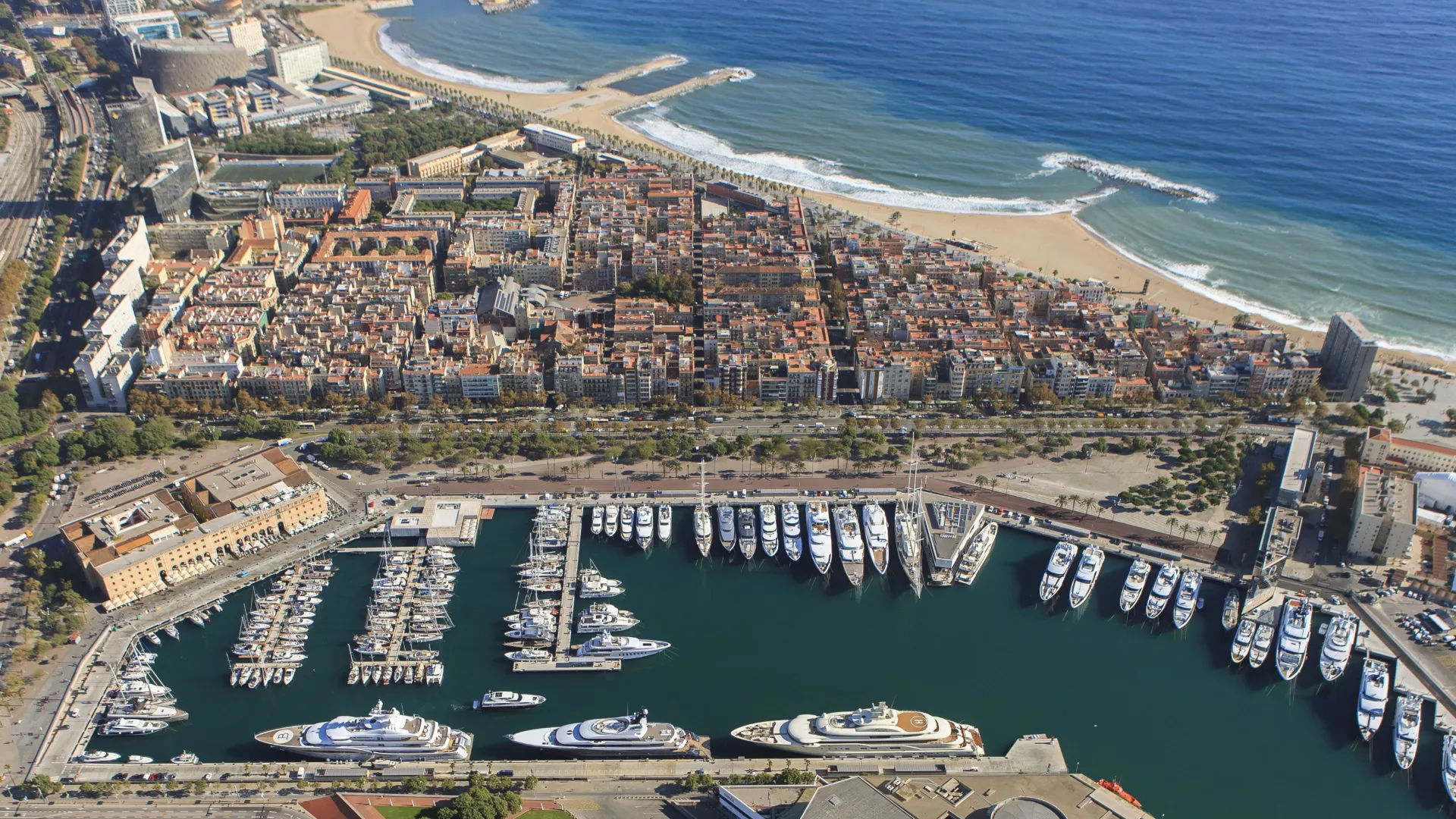
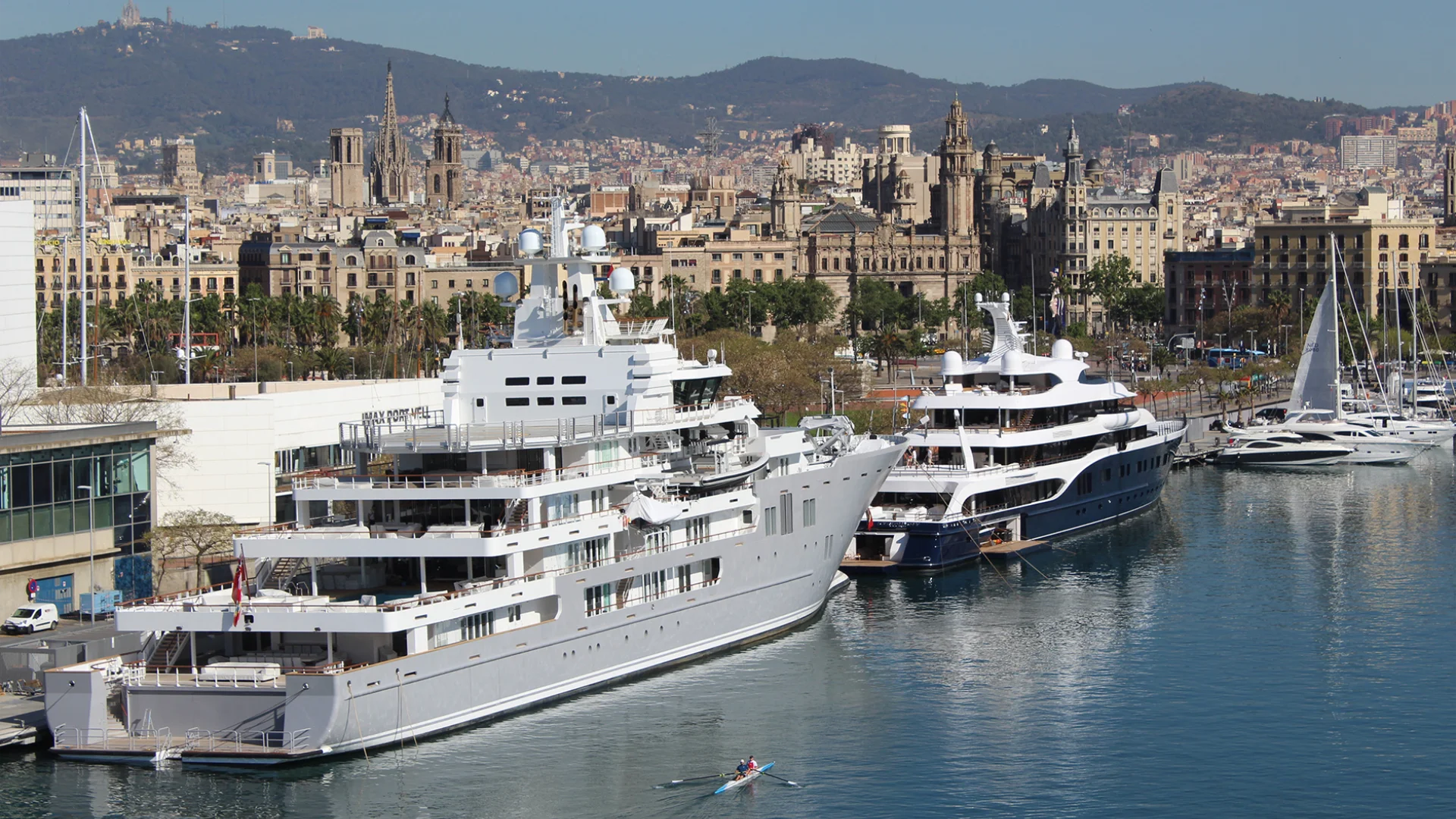
Marina Port Vell brings a different scale. Its event portfolio includes terraces, indoor spaces, meeting rooms and docks, with views across the marina and city. Depending on the selected area, it can support anything from an executive reception to a substantial outdoor occasion.
This is the setting that can carry the programme’s most visible moment. It might host a product introduction, client celebration, keynote or evening reception where the location becomes part of the brand expression.
The water, architecture and yachts already create a strong visual environment. Production should complement that setting rather than compete with it. Lighting, staging and graphics can establish ownership, but the result should still feel rooted in Barcelona.
The main planning work happens behind the guest view. Organisers need confirmed access routes, loading times, power and technical conditions, security boundaries, supplier accreditation and an exact wet-weather alternative. If several marina spaces are used, the movement between them needs the same attention as the spaces themselves.
A venue of this scale also requires a clear arrival plan. Coach release, private-car access, pedestrian routes, registration and the first point of hospitality should work as one sequence. Guests form an opinion before they reach the principal event space.
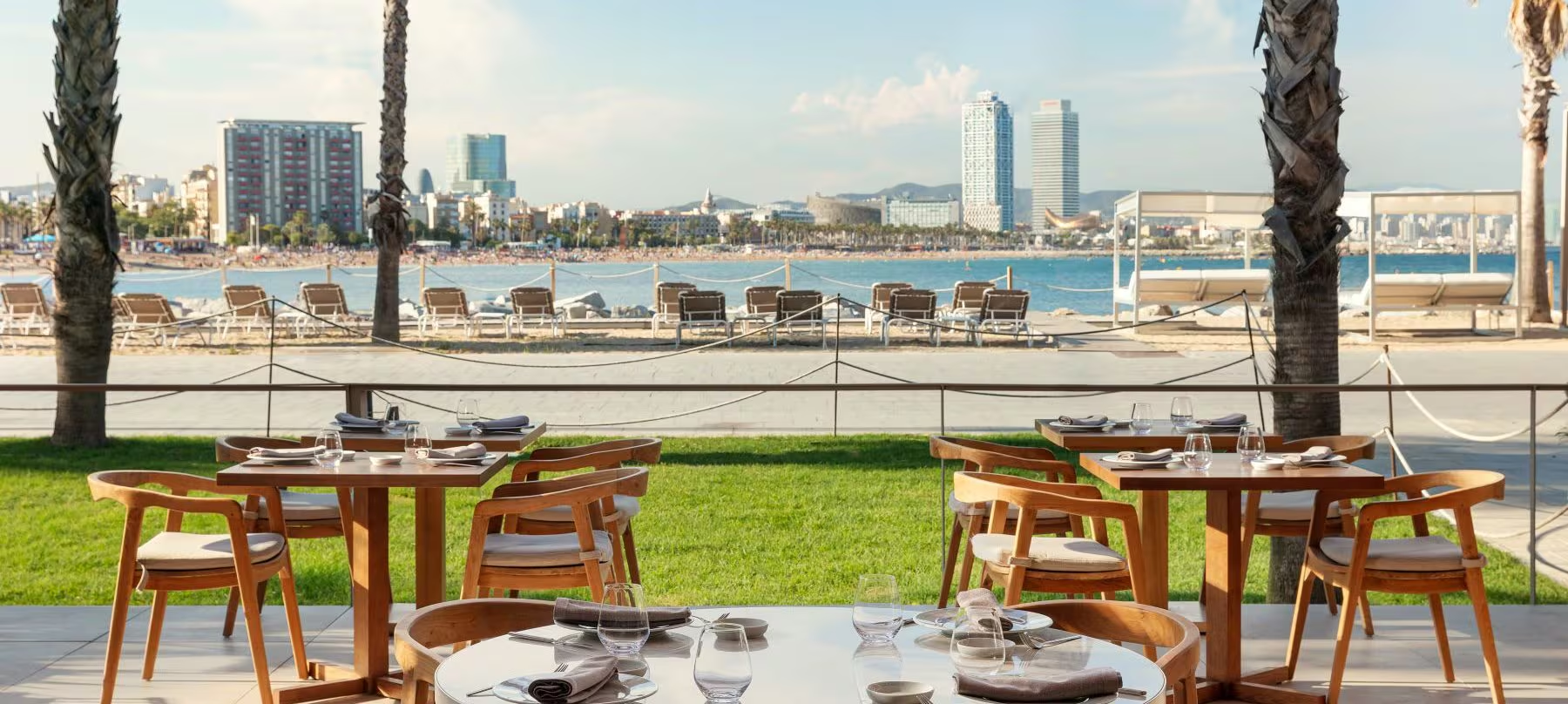
At W Barcelona, SALT offers a beachside setting with the Mediterranean as its immediate backdrop. It can bring informality to a programme while retaining the service infrastructure of an established international hotel.
SALT can work well after a more structured business or brand-led day. The shift towards the beach signals that guests can relax, but the evening can still be carefully hosted. Depending on the format, it might support a sunset reception, informal dinner or closing celebration.
The important distinction is between relaxed and unplanned. A beachfront venue still needs deliberate zoning, a clear service sequence and sufficient protection from wind, temperature changes or rain. Music and entertainment should suit both the setting and local restrictions. If areas remain accessible to hotel guests or the public, the limits of exclusivity must be clear before the programme is designed around them.
W Barcelona has a broader collection of event spaces, which can help when accommodation, meetings and hospitality need to sit within one operational base or when an indoor contingency is required. The value lies in choosing the facilities that strengthen the programme, not adding spaces simply because they are available.
Barcelona is well connected and accustomed to international events, but demand increases sharply during major congresses, exhibitions and cultural dates. The Barcelona Convention Bureau is a useful starting point when assessing citywide pressure, although live conditions should also be checked directly with venues and local partners.
Venue availability is only one part of that assessment. A programme becomes harder to operate when preferred hotels are spread across the city, vehicle supply is restricted or build schedules overlap with other events. Early hotel and venue sourcing gives organisers more control over location strategy, contract terms and operational access.
For a waterfront programme, weather planning must extend beyond the chance of rain. Wind can affect furniture, floral design, audio, temporary structures and guest comfort. Strong sunlight can make afternoon spaces uncomfortable or reduce screen visibility. Temperatures may fall once the sun sets, even after a warm day.
Every outdoor element therefore needs a defined response. That may involve confirmed indoor space, covered circulation, heating, shade, weighted structures or a revised schedule. The alternative should be designed with the same care as the preferred plan. Guests can sense when a contingency has been treated as an afterthought.
Privacy requires similar precision. A restaurant terrace, marina and beach venue each have a different relationship with the public. Exclusive use should be defined contractually, including access points, shared facilities and adjoining spaces. For executive audiences or sensitive product content, sightlines and sound travel may matter as much as a closed door.
Transport planning should consider operating conditions rather than map distance alone. Coach access, holding areas, pedestrian crossings, loading activity and evening traffic can all change the journey. If guests are staying in several hotels, one departure time may be convenient for the organiser but inefficient for the group.
The strongest solution is often a movement plan built around guest clusters, vehicle release windows and live coordination. It gives the programme enough structure to remain punctual and enough flexibility to respond when a meeting runs late or a vehicle is delayed. Experienced corporate event production protects these choices before the live programme places them under pressure.
Before contracts and creative production advance, the planning team should be able to answer six questions:
A site visit should test these points from the guest’s perspective as well as the supplier’s. Walk the arrival route. Stand where registration will take place. Check how the space feels at the programme hour, not only during a daytime inspection. Look for the details that photographs and floor plans rarely reveal.
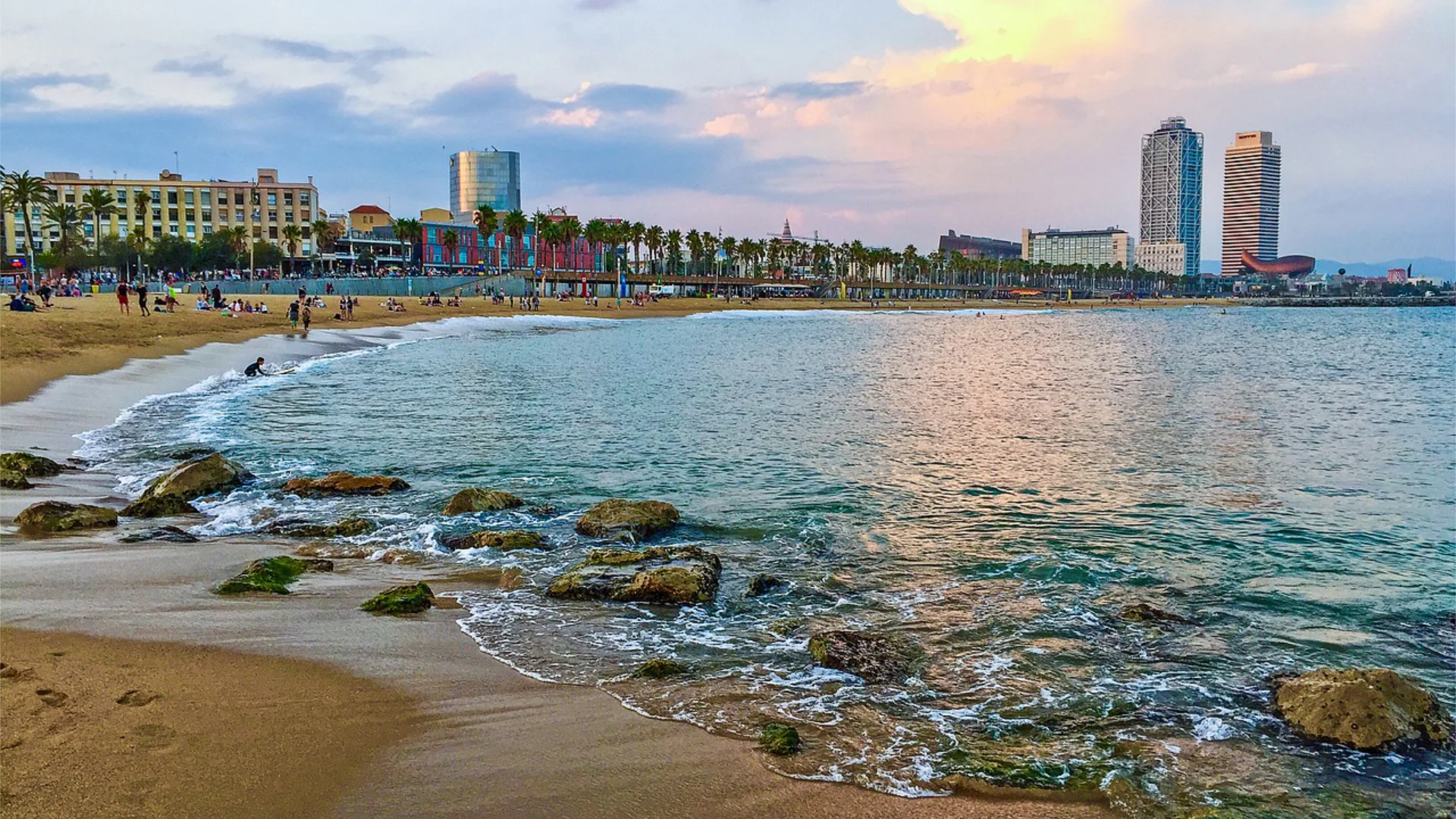
Barcelona gives event organisers exceptional variety, particularly along its waterfront. El Tribut can provide warmth and conversation, Marina Port Vell can create scale and visual impact, and SALT can bring the programme to a relaxed Mediterranean close.
Their value is not in the number of venues used. It is in the clarity of the sequence.
When each setting has a purpose, movement is carefully managed and one creative idea runs through the programme, guests experience Barcelona without losing the identity of the event. The result feels varied but coherent, polished but not overproduced.
That is what turns several desirable addresses into one considered Barcelona journey.
EVENTÔIR designs and delivers international client events, corporate meetings and multi-venue programmes in Barcelona and across Europe. Explore our Spain destination expertise and Barcelona launch event work, or contact EVENTÔIR to discuss a client programme shaped around its purpose, audience and setting.

Managing Director @ EVENTÔIR
With 12 years of global event-management experience, Jacqueline leads teams that translate corporate objectives into emotionally resonant, seamlessly executed experiences.
Plan a corporate retreat in Europe with practical guidance on agency support, budget allocation, lead times and destination decisions.
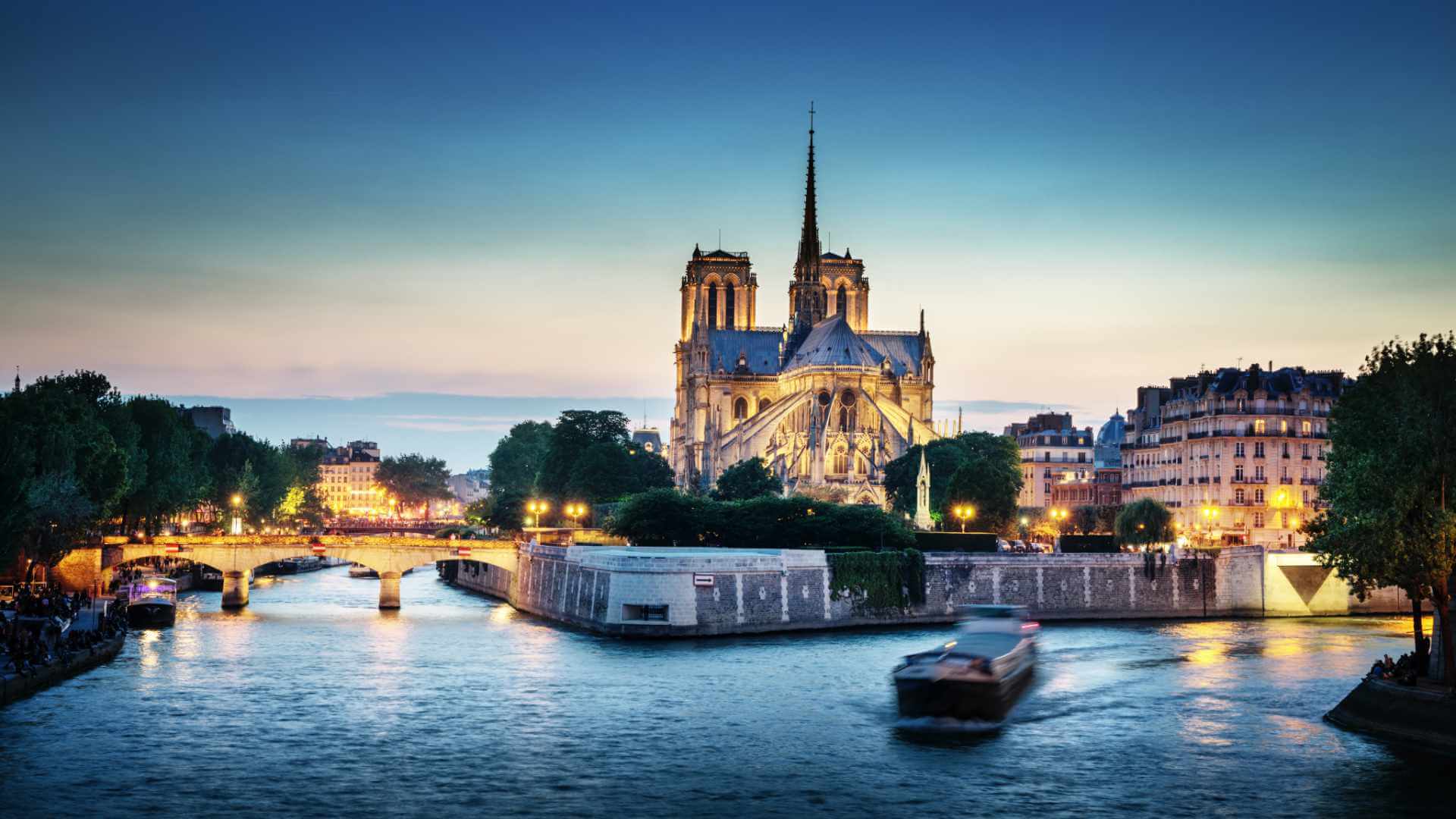
Compare the best corporate event destinations in Europe, from Amsterdam to Oslo. See which cities fit conferences, incentives, and leadership events.

Learn how to choose the right destination for your corporate event with a five-filter framework covering format, flights, group size, season, and budget.

With more than 20 years of experience in international event coordination, Conny is known for her proactive approach, strong problem-solving skills, and meticulous attention to detail. She anticipates challenges with ease and ensures every aspect of an event is planned to perfection.
Fluent in German, English, and Spanish, Conny’s positive, sociable nature allows her to adapt effortlessly to diverse situations and teams. She is passionate about creating structured, memorable events that run seamlessly from start to finish.
In her free time, she enjoys spending time with her partner and friends, being in nature, and dreaming of one day having a home with a large garden full of animals.

With over 25 years of experience in national and international corporate events, Lidia specializes in the automotive and MICE sectors across Europe. Her German–Spanish heritage and fluency in Spanish, German, and English give her a unique intercultural perspective, allowing her to quickly adapt to client needs.
Lidia is passionate, proactive, and flexible — equally comfortable leading projects or collaborating within a team. Known for her strong communication and negotiation skills, she is dedicated to creating events that exceed expectations for both attendees and organizers.
In her free time, she enjoys exploring new countries and cultures and spending time with dogs.
With 12 years of experience in international event management, Jacqueline leads Eventôir with a clear vision: to create seamless, high-impact events that leave a lasting impression. Having grown up in Spain, she works fluently in English, Dutch, and Spanish, which allows her to collaborate effortlessly with clients and partners around the world.
She has successfully delivered complex projects for global brands, including multi-day programs for up to 7,000 participants across 20 venues. Known for her meticulous planning, creative concepts, and ability to unite diverse stakeholders, Jacqueline blends business objectives with memorable guest experiences. Her flexibility and attention to detail have earned her a reputation as a trusted partner for brands seeking both elegance and flawless execution.
Outside of work, she is passionate about exploring new destinations and planning unforgettable trips. She enjoys staying active with nature hikes, gym workouts, Reformer Pilates, and Yin Yoga. She also loves cooking Mediterranean-inspired dishes, good coffee, and photography, with a special interest in interior design.