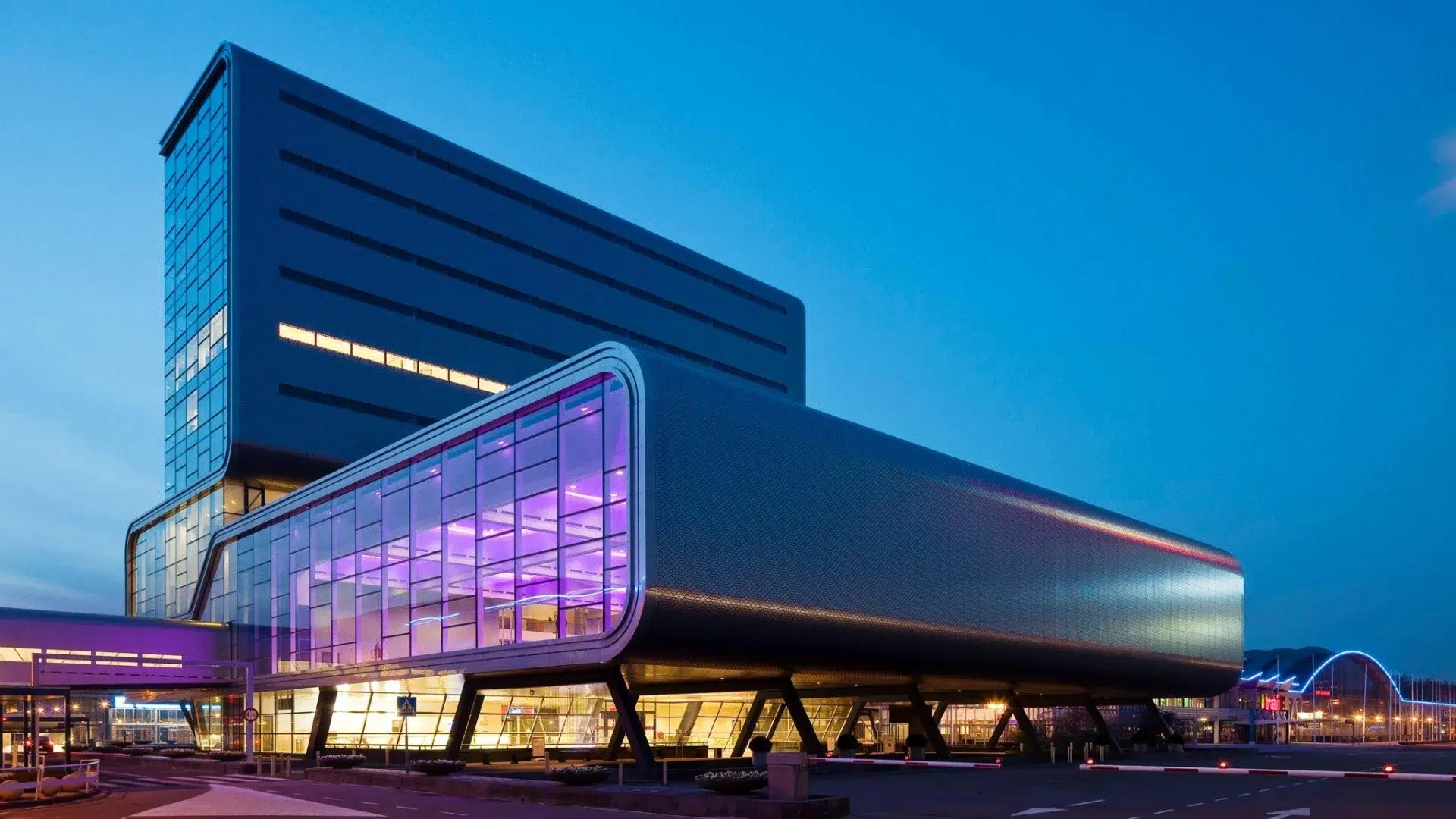
Destinations
Corporate Events in Amsterdam: Venues, Activities and Planning Advice
Plan corporate events in Amsterdam with practical advice on venues, activities, group transport, timing, contracts and weather planning.

How EVENTÔIR connected international arrivals, company context, team interaction and celebration across three days in Amsterdam.
Bringing colleagues together from several countries is not simply a group trip with more flights. People arrive at different times, with different energy levels, workplace relationships and expectations.
For an international digital business, EVENTÔIR designed a three-day Amsterdam incentive that had to do several jobs. It needed to welcome travellers without asking too much of them, reconnect colleagues with the company, create new conversations, open one evening to a wider guest community and finish without overloading the final day.
The visible itinerary included Soho House Amsterdam, an office session, a team challenge, The Loft at A’DAM Tower and a canal cruise. The more important work was the sequence. Each stage needed a clear purpose, and the changes in venue, energy and group size had to feel like one programme.
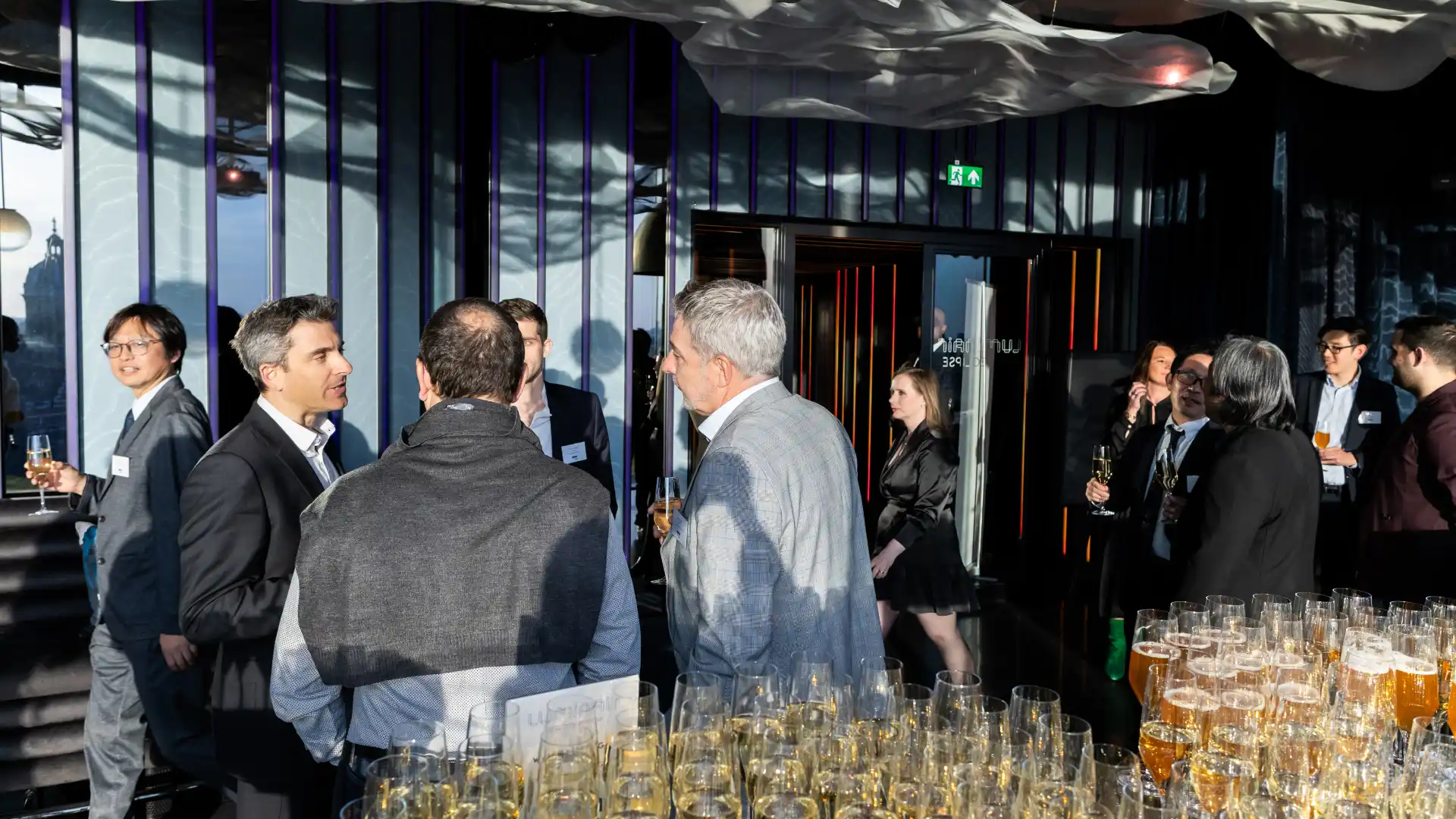
The travelling group came from several international markets. They were not one audience moving at one speed. Some guests would arrive ready to socialise, while others would need time to settle, eat and recover from the journey.
The composition also changed during the programme. A core team travelled and stayed together. Additional employees, clients and personal guests joined the main evening celebration. A different group took part in the final-day activity. That variation affected far more than catering.
The planning questions were practical:
Amsterdam suited this mix because the programme could connect accommodation, a workplace, a collaborative activity, a high-rise event venue and the canals without leaving the city. EVENTÔIR’s guide to Amsterdam and the Netherlands for corporate events gives wider destination context.
The programme architecture was simple enough to explain, but detailed enough to manage each audience separately.
Programme stage | Guest-facing experience | Design responsibility |
Arrival evening | Hotel check-in, private drinks and dinner | Absorb staggered arrivals and avoid an extra transfer after travel. |
Shared programme day | Company presentations, lunch and a collaborative team activity | Connect business purpose with participation and keep timings practical. |
Expanded evening | Core-group dinner followed by a larger celebration | Manage the venue changeover, separate guest flows, staffing and departures. |
Closing day | Canal cruise with food, drinks and music | Lower the intensity while controlling boarding, weather, luggage and flights. |
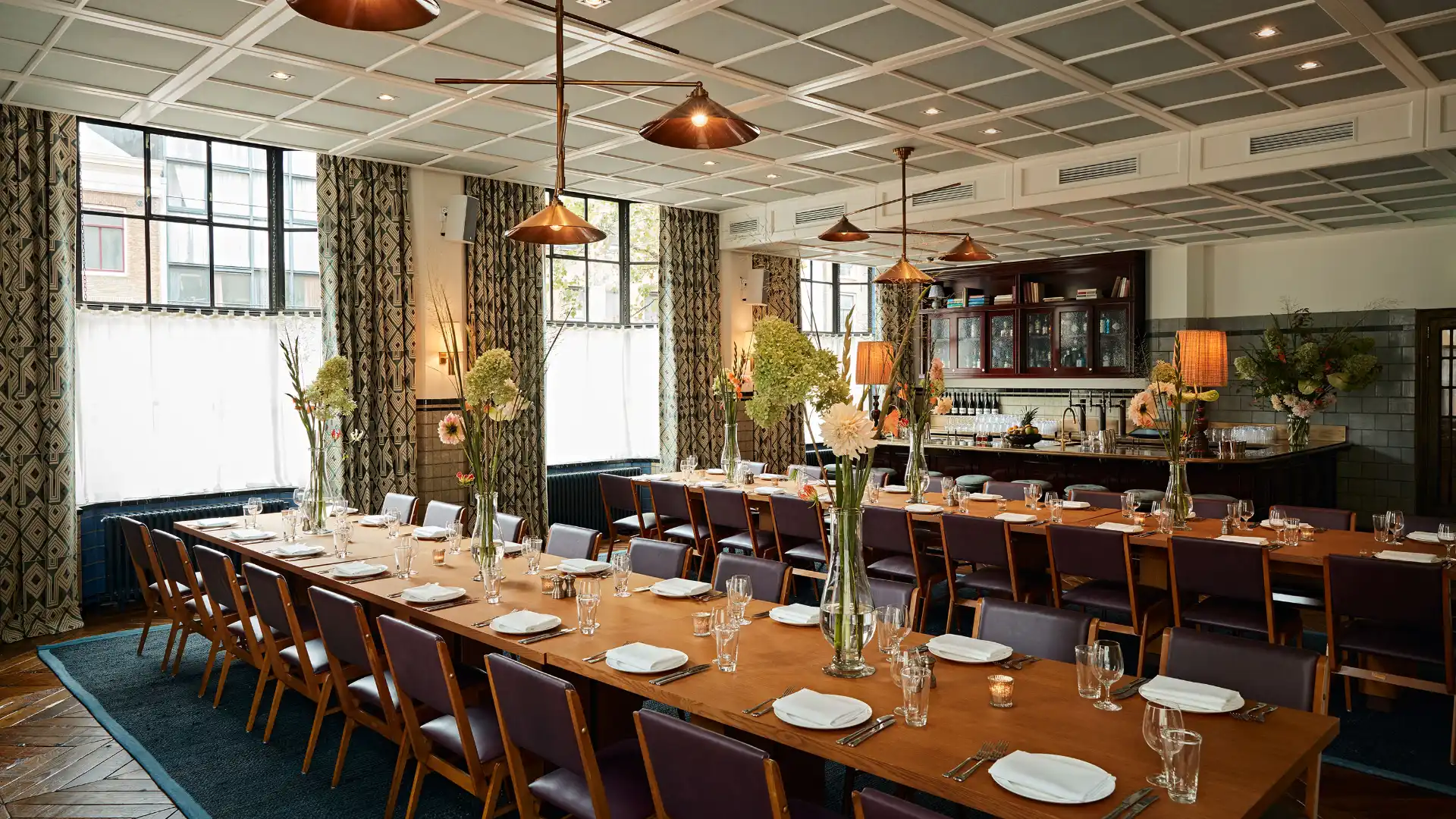
The first evening remained at Soho House Amsterdam, where guests checked in before joining private welcome drinks and dinner.
Keeping accommodation and hospitality in one place removed an immediate transfer. Guests did not need to learn a second meeting point, wait for a coach or navigate the city after travelling. The venue still gave the welcome its own identity through private social space, rather than making the opening feel like an extension of hotel check-in.
A first-night welcome also gives the organising team time to confirm arrivals, resolve rooming questions and make personal contact. The guest information should remain short and useful:
“A global team does not arrive with one shared rhythm. The programme has to create it.”
The aim is clarity, not volume. After a long journey, guests need the next essential instruction rather than the full operating schedule.
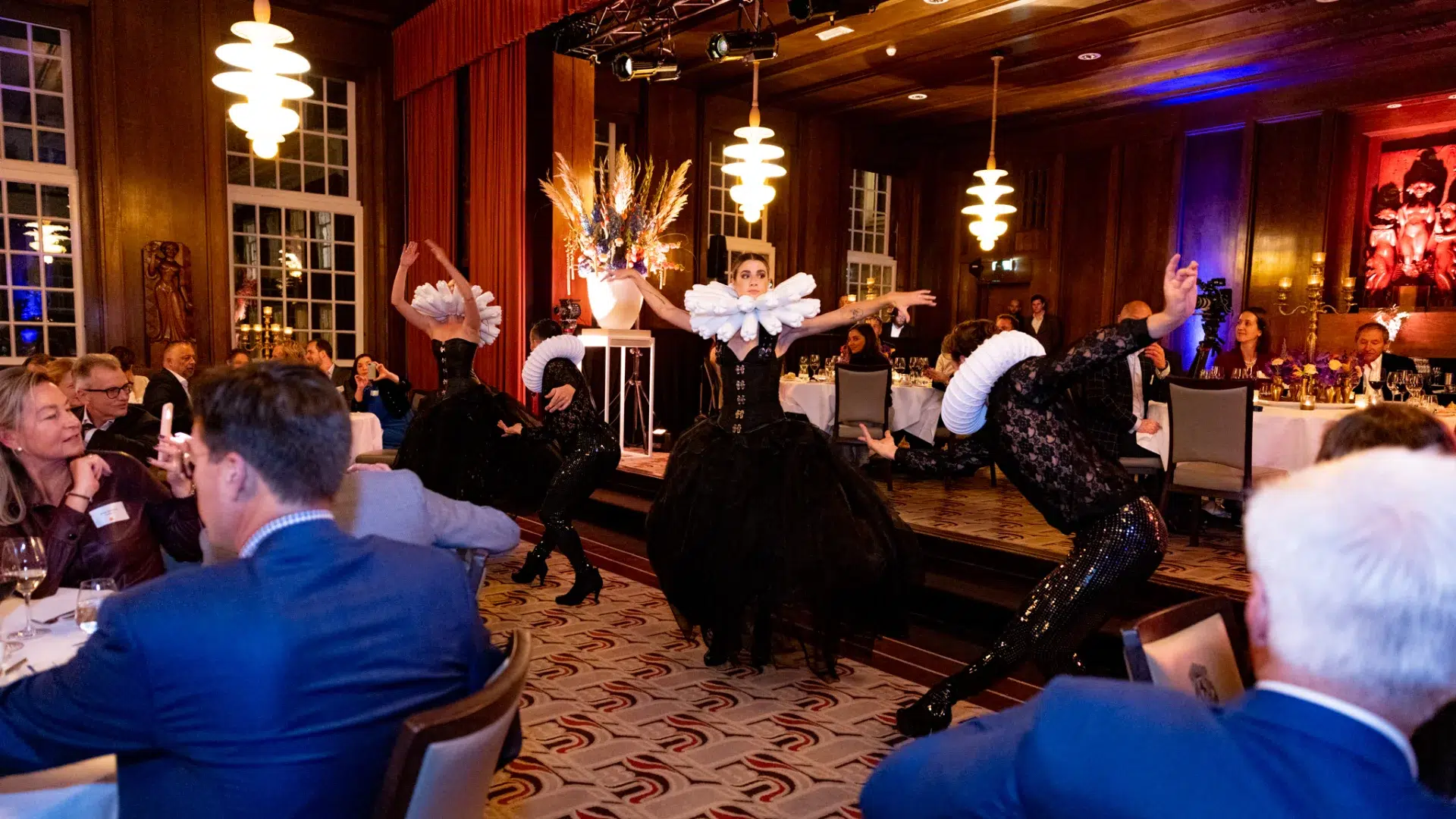
The second day began at the company’s office with presentations, a workplace visit and lunch. This gave the incentive a clear connection to the organisation. The trip was not only a reward in Amsterdam. It also created time for colleagues to hear from one another and spend time in a shared business setting.
The programme then moved into an escape room. That transition changed how the group interacted. Presentations asked people to listen and absorb. The activity asked them to communicate, interpret information and make decisions together.
This was a useful bridge into the evening. Without it, the day could have felt like a business session followed directly by formal hospitality. The shared challenge gave guests a new subject of conversation and shifted the mood without losing the team focus.
For an international audience, activity selection needs more thought than whether something is entertaining. Language confidence, physical access, cultural comfort, sensory needs and meaningful alternatives all influence participation. The strongest option is one that lets people contribute in different ways.
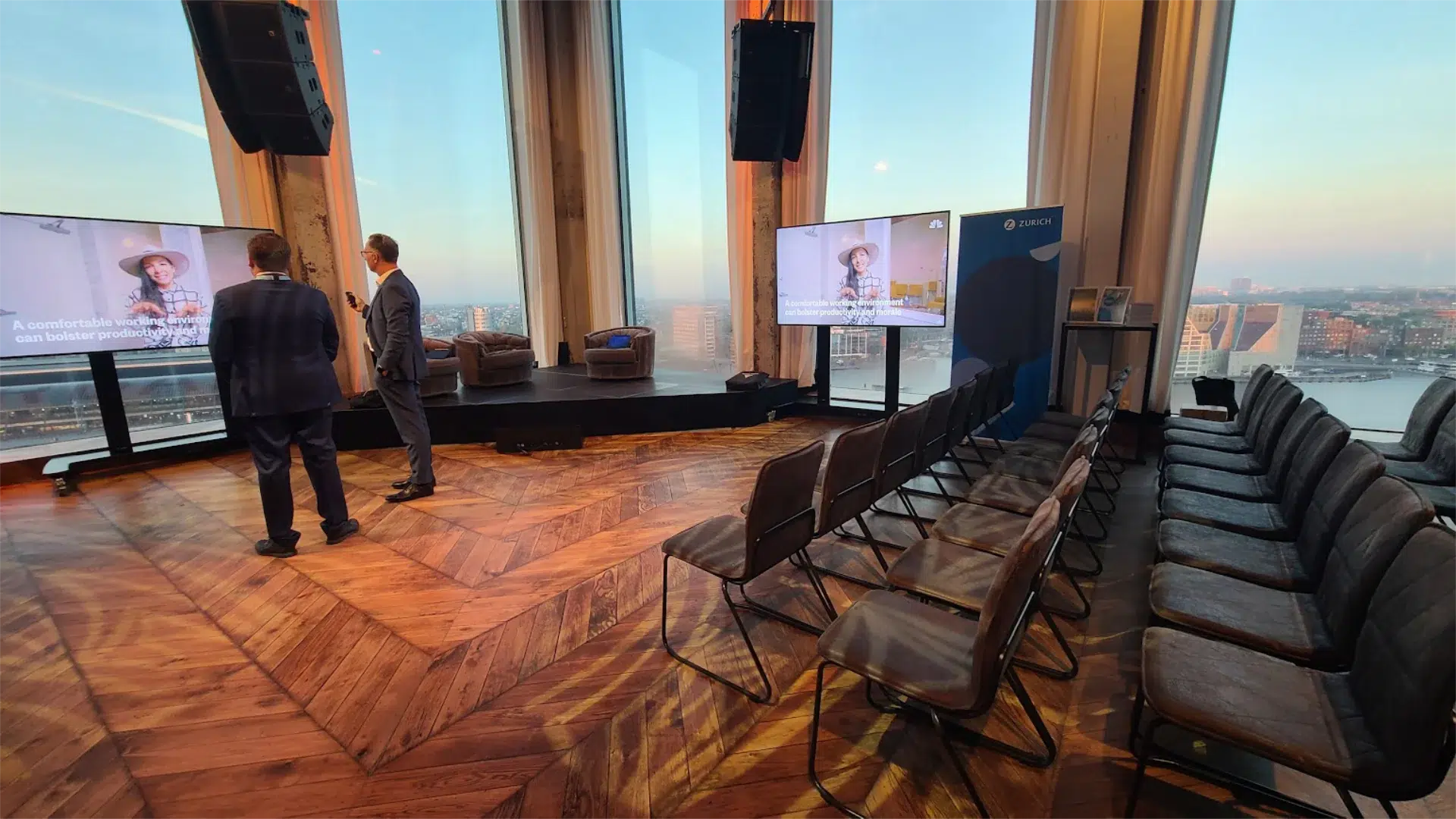
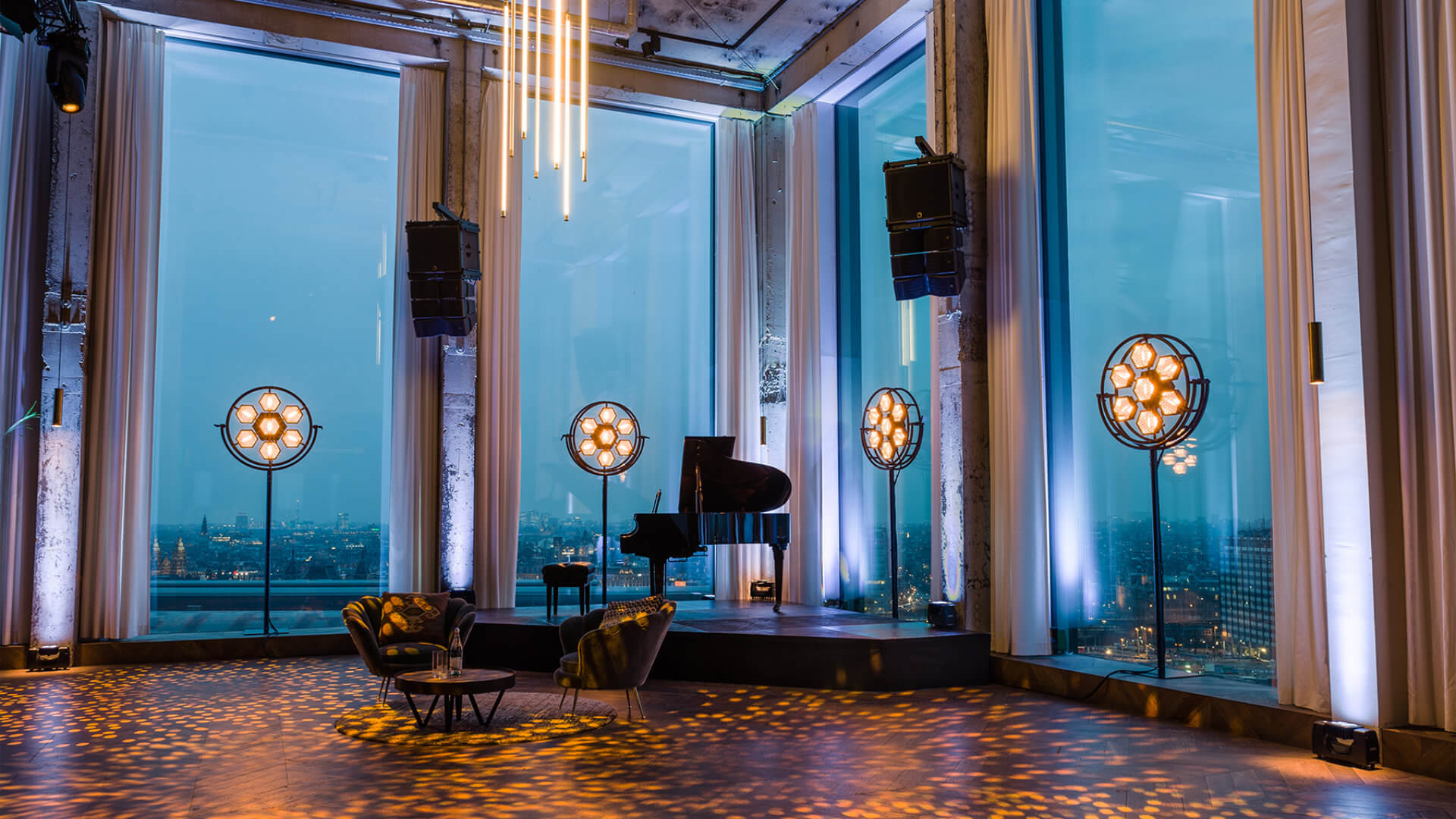
The evening moved to The Loft at A’DAM Tower. The core travelling group attended dinner before the venue changed into a larger party with additional invitees.
This was one of the programme’s most demanding transitions. A larger audience changes the entrance pattern, security, registration, cloakroom demand, catering, room layout and transport. It also changes the atmosphere.
The dinner guests should not feel that the room is being dismantled around them. New arrivals should enter a celebration that already feels ready. The run of show therefore needs to make each handover visible:
The venue worked because it could support two distinct formats in one setting. Its value was not only the view. It was the ability to move from dinner to celebration without another group transfer.
This is why hotel and venue sourcing should test the whole operating flow, not appearance alone. EVENTÔIR’s guide to unique venues in Amsterdam provides further venue inspiration, while the case study focus remains on how the spaces worked together.
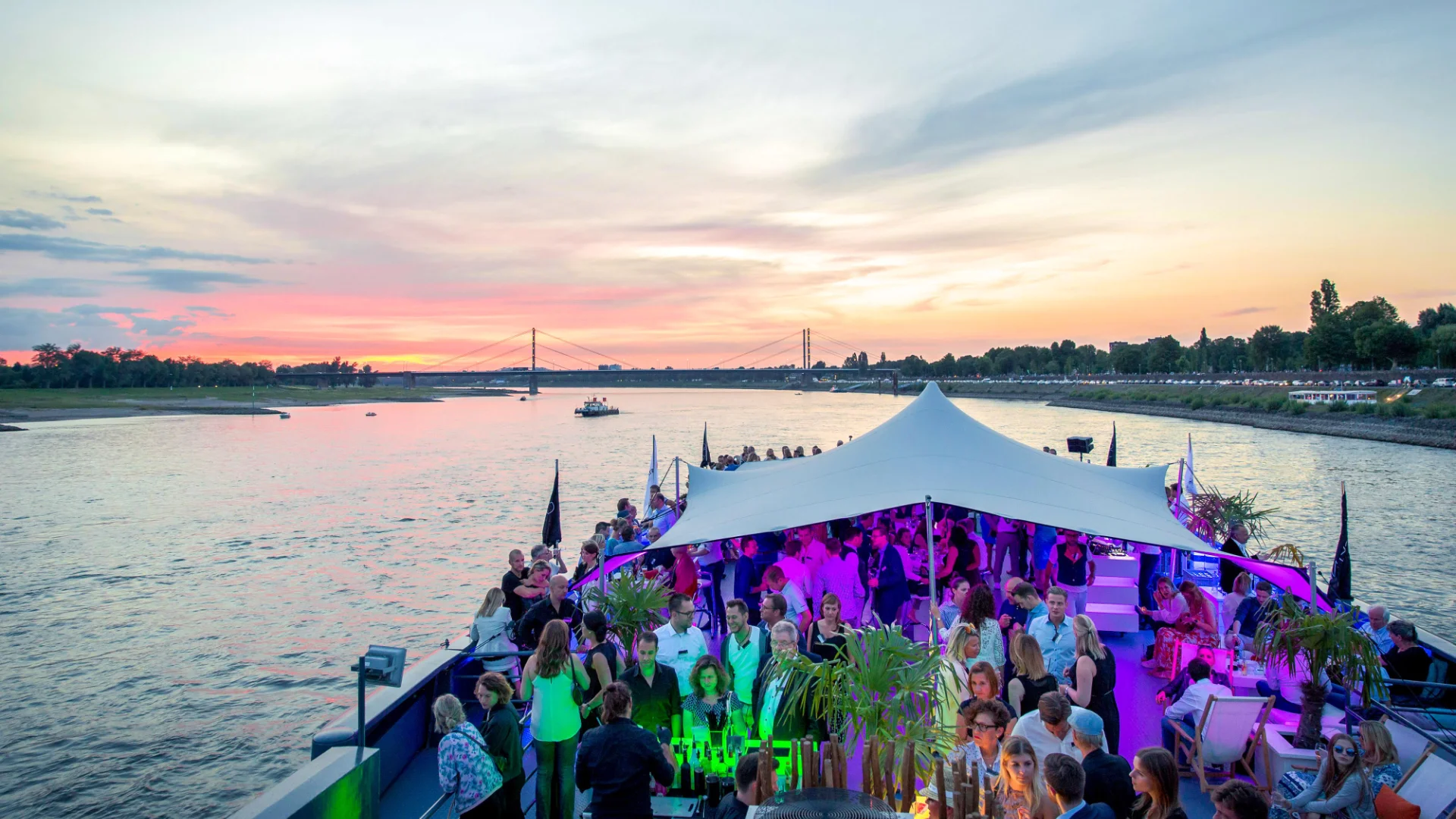
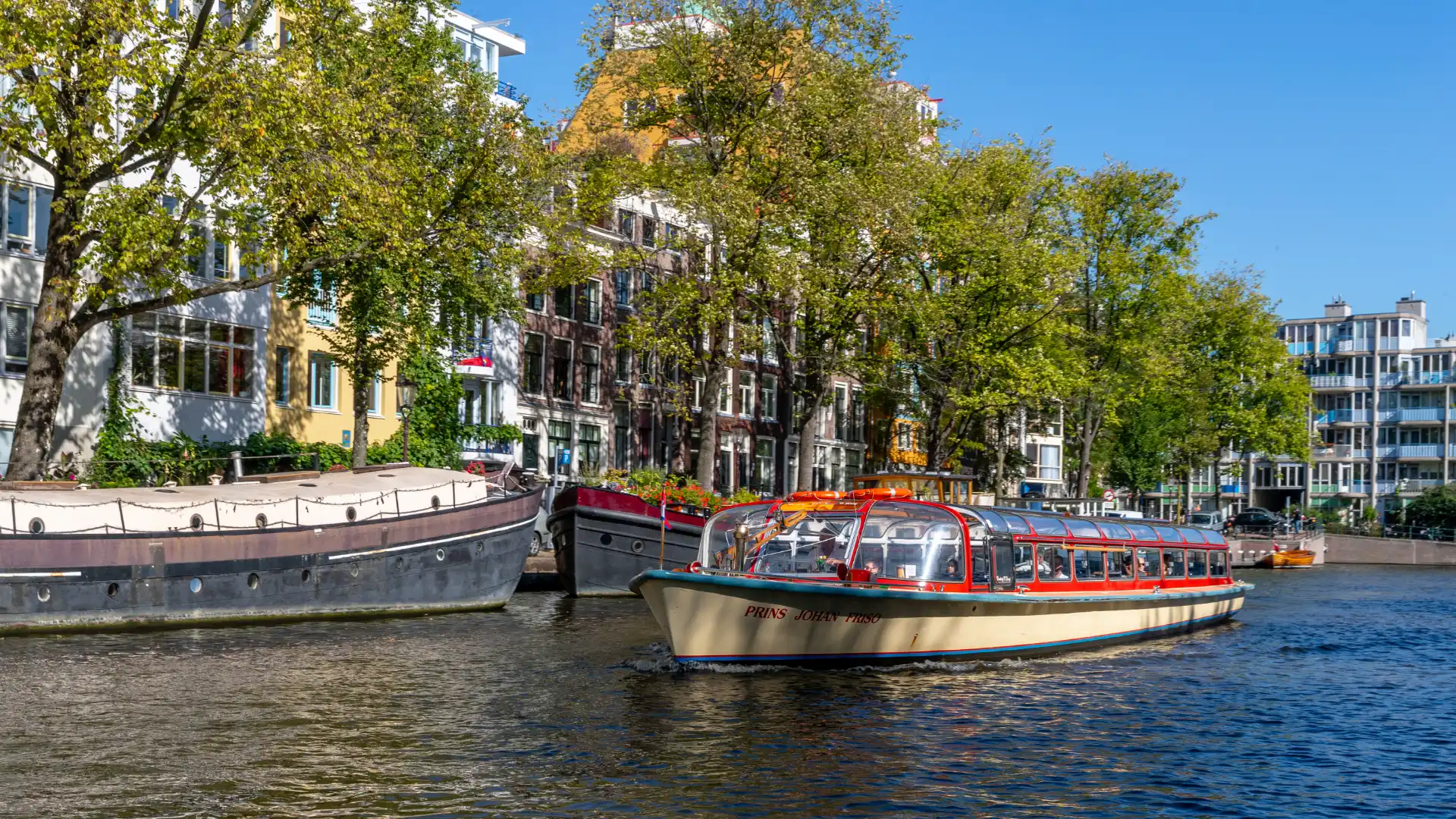
After a high-energy evening, the final day needed a different pace. The group boarded a canal boat for a cruise with a barbecue, drinks and music.
The experience kept people together without asking for another structured task. Guests could talk, enjoy the city and revisit the previous evening naturally. The programme still had a shared ending, but it was no longer competing for constant attention.
A water-based finale brings its own planning questions. Boarding points must be easy to understand and accessible. The vessel needs suitable covered space, catering must work within its practical limits, and the programme needs a credible response to poor weather or route changes.
Departures also shape the timing. Luggage storage, return transport and airport buffers must be coordinated with the cruise. A beautiful final activity loses its value if guests leave early because their bags or vehicles are in the wrong place.
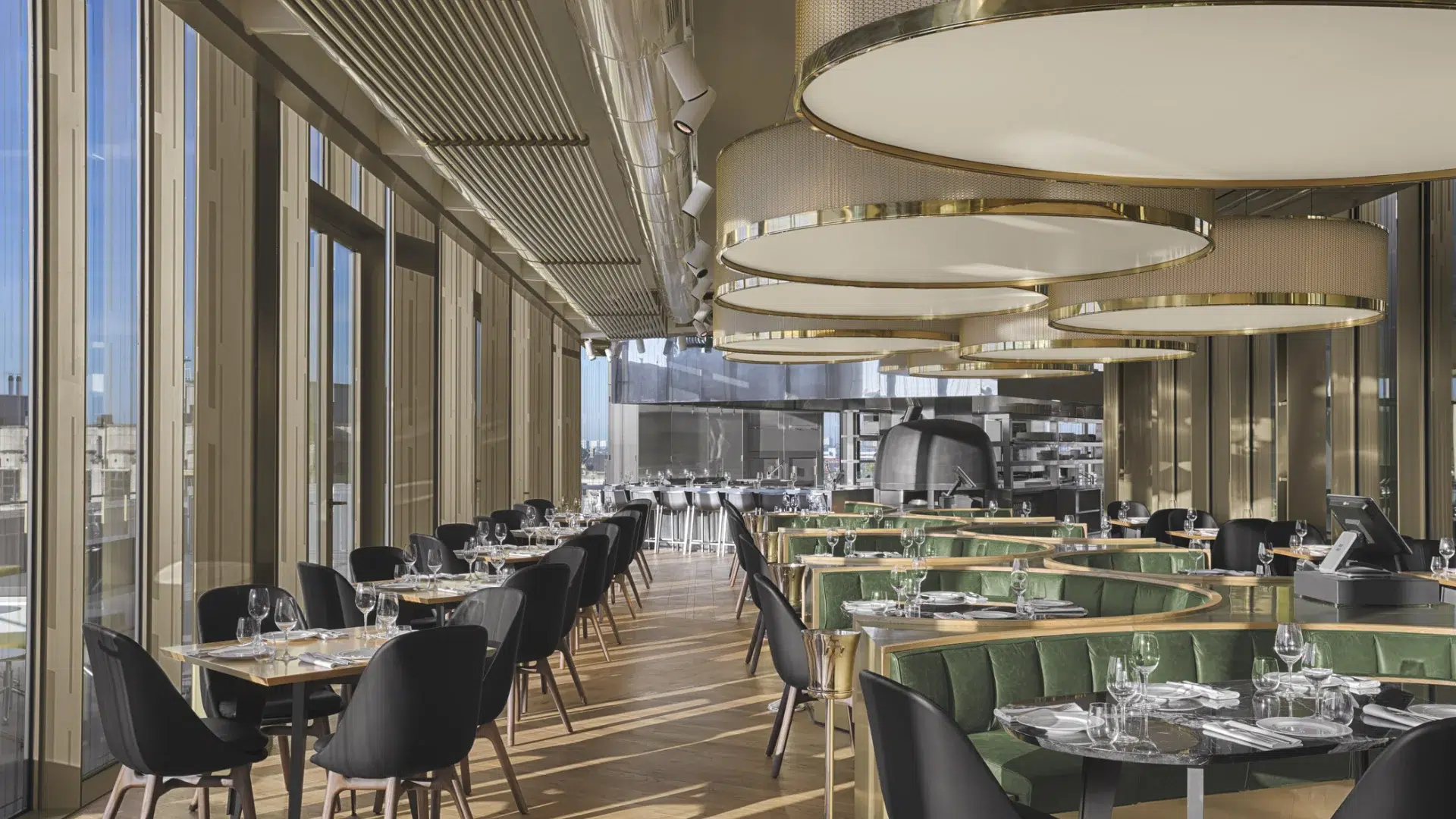
The public programme looked straightforward: welcome, company time, team interaction, celebration and a relaxed closing experience. Behind it sat one connected operating plan.
For a multi-day global incentive, that plan should include:
Guest communication should follow the same structure. A pre-travel guide can hold the complete information, while short daily messages confirm only what people need for the next stage. The travelling team, evening invitees and suppliers require different instructions.
Inclusion also has to be designed before arrival. It influences activities, menus, transport, room allocation, alcohol-free hospitality and recovery time. These are not optional additions. They determine whether the programme works for the people actually attending.
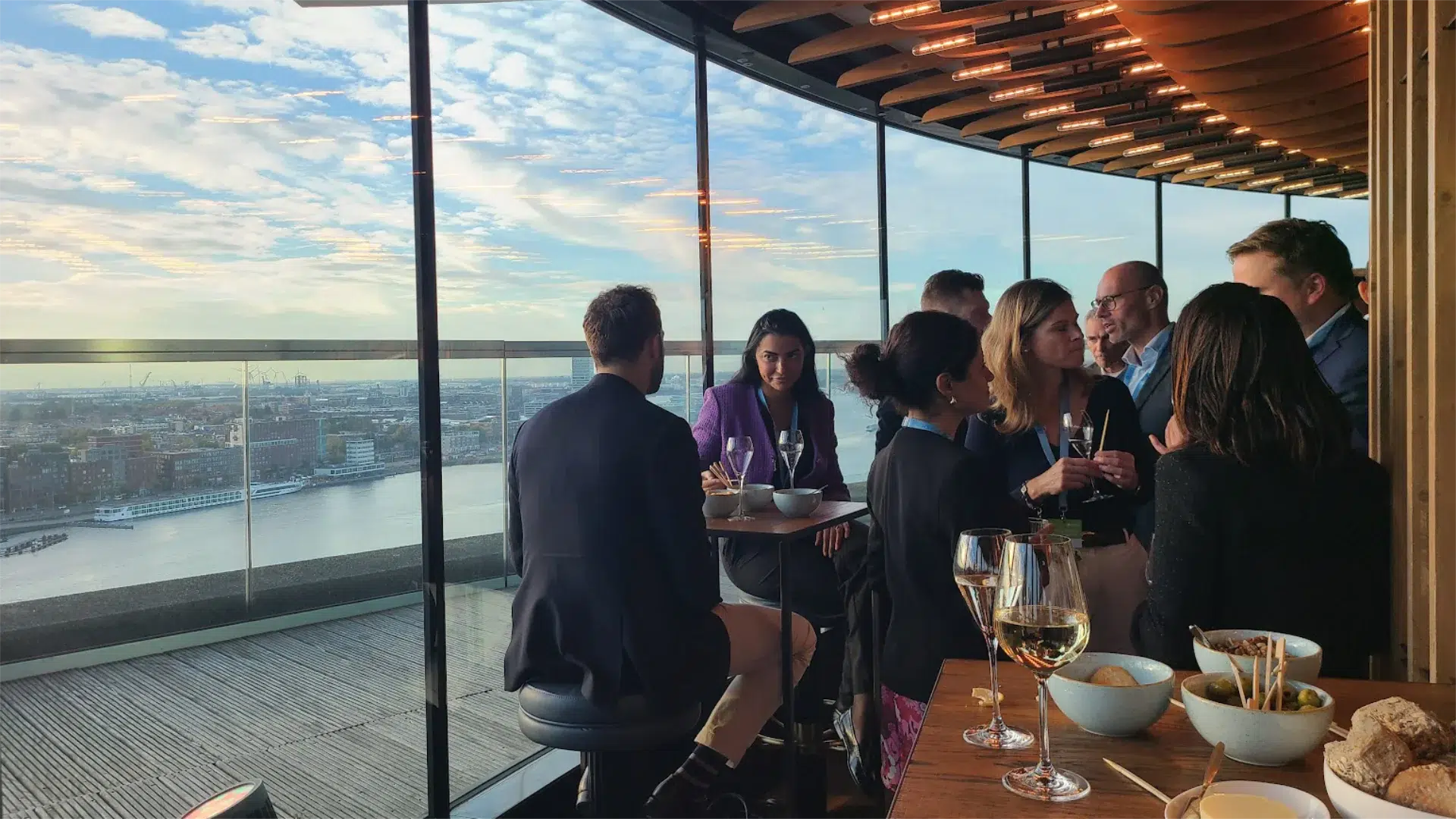
The itinerary changed character, but each change had a reason.
The first evening reduced effort for arriving guests. The second day connected company purpose with team interaction, then opened into a wider celebration. The final day lowered the intensity and gave the experience a clear ending in the city.
The result was not a busier itinerary. It was a deliberate progression in energy. Four principles carried through the programme:
This is the difference between selecting attractive activities and designing a programme. Each element should answer a need, and its position should reflect how guests are likely to feel.
For readers exploring the wider purpose behind these programmes, EVENTÔIR’s guide to what incentive travel is explains how recognition, motivation and company culture connect to the travel experience.
EVENTÔIR designs and delivers incentive travel programmes for international teams across Europe and beyond. We connect destination selection, accommodation, activities, production, transport and on-site coordination around one guest journey.
If you are comparing potential partners, our guide to choosing an incentive travel agency explains what to assess before appointing one.
Contact EVENTÔIR to discuss your team, objectives, travel pattern and programme requirements.

Managing Director @ EVENTÔIR
With 12 years of global event-management experience, Jacqueline leads teams that translate corporate objectives into emotionally resonant, seamlessly executed experiences.
Plan corporate events in Amsterdam with practical advice on venues, activities, group transport, timing, contracts and weather planning.
Plan Marrakech incentive travel around seasonality, airport arrivals, Medina access, group movement and a considered programme rhythm.
Plan a CEO programme in Amsterdam with practical advice on executive venues, canal logistics, private access and well-paced experiences.

With more than 20 years of experience in international event coordination, Conny is known for her proactive approach, strong problem-solving skills, and meticulous attention to detail. She anticipates challenges with ease and ensures every aspect of an event is planned to perfection.
Fluent in German, English, and Spanish, Conny’s positive, sociable nature allows her to adapt effortlessly to diverse situations and teams. She is passionate about creating structured, memorable events that run seamlessly from start to finish.
In her free time, she enjoys spending time with her partner and friends, being in nature, and dreaming of one day having a home with a large garden full of animals.

With over 25 years of experience in national and international corporate events, Lidia specializes in the automotive and MICE sectors across Europe. Her German–Spanish heritage and fluency in Spanish, German, and English give her a unique intercultural perspective, allowing her to quickly adapt to client needs.
Lidia is passionate, proactive, and flexible — equally comfortable leading projects or collaborating within a team. Known for her strong communication and negotiation skills, she is dedicated to creating events that exceed expectations for both attendees and organizers.
In her free time, she enjoys exploring new countries and cultures and spending time with dogs.
With 12 years of experience in international event management, Jacqueline leads Eventôir with a clear vision: to create seamless, high-impact events that leave a lasting impression. Having grown up in Spain, she works fluently in English, Dutch, and Spanish, which allows her to collaborate effortlessly with clients and partners around the world.
She has successfully delivered complex projects for global brands, including multi-day programs for up to 7,000 participants across 20 venues. Known for her meticulous planning, creative concepts, and ability to unite diverse stakeholders, Jacqueline blends business objectives with memorable guest experiences. Her flexibility and attention to detail have earned her a reputation as a trusted partner for brands seeking both elegance and flawless execution.
Outside of work, she is passionate about exploring new destinations and planning unforgettable trips. She enjoys staying active with nature hikes, gym workouts, Reformer Pilates, and Yin Yoga. She also loves cooking Mediterranean-inspired dishes, good coffee, and photography, with a special interest in interior design.