
Destinations
The New Era of Corporate Events in Europe
The New Era of Corporate Events in Europe Destinations | admin | Last updated: May

The corporate event landscape has shifted, and the question that defines a successful event has shifted with it.
For years, the question was “how impressive was it?” That question is no longer enough. The one that matters now is harder, and more useful: what changed because of it?
Organisations are more distributed. Attention is shorter. Budgets are read more closely than they used to be. Expectations, somehow, have only gone up. Together, these conditions have rewritten what a corporate event has to do.
Coordination alone won’t carry a programme anymore. Structure, strategic intent, and a clear understanding of how experience translates into business value will.
The framework below reflects how our studio approaches corporate event production after nearly a decade of work in more than forty countries, for groups of thirty to seven hundred. It’s organised the way the work itself unfolds, from objective, through design, through environment, into execution.

The most common planning mistake we see is starting with format: the venue, the concept, the entertainment, none of which can be chosen well until the event has a defined purpose.
A high-impact event begins with one question.
What is this event meant to achieve?
The answer almost always falls into one of a few categories:
When the objective is clear, every subsequent decision becomes directional rather than aesthetic. A leadership summit isn’t built around volume of content. It’s built around clarity, alignment, and decision-making. A product launch operates on a different logic entirely: storytelling, pacing, and emotional build-up. Built on the wrong foundation, even a beautifully produced event will land flat. Built on the right one, it becomes a strategic instrument.

The traditional corporate agenda is becoming less effective. Block by block, slot by slot, presentation after presentation, it works against how people actually engage in a live environment.
What a modern event needs is what we call experience architecture: a deliberate emotional and intellectual journey, structured around energy rather than time.
Instead of asking what happens at 10:30?, the question becomes what should the room be feeling at 10:30, and what gets us there? In practice, that translates into:
Corporate audiences don’t respond to long sequences of presentations the way they once did. They respond to rhythm, variation, and intentional contrast. The way energy flows through an event tends to define its success more than the content itself. We’ve written more on this approach in our piece on how to plan a high-impact corporate event.

Venue and destination choice has stopped being a logistical decision. It’s a strategic one. Environment shapes behaviour, mindset, and engagement, often more directly than any single piece of programming.
Different objectives call for different settings. A focused leadership alignment tends to work best in contained, nature-driven environments where there are fewer distractions and more space to think. A large-scale brand activation often needs urban visibility and an audience footprint. An incentive-driven experience usually rewards immersive, destination-led settings, the kind that feel earned rather than assigned.
In 2026, the destinations our clients gravitate toward share a recognisable profile: strong international accessibility, dependable hospitality infrastructure, real (rather than performative) sustainability practices, and a genuine cultural or natural identity. We see this pattern from Amsterdam, where our studio is based, to Marrakech, Cascais, Muscat, and the Spanish coast.
A destination is rarely just a backdrop. It becomes part of the narrative, and shapes how the event is experienced and remembered afterwards.

Sustainability has stopped being a parallel consideration. It’s part of the design layer now, not an add-on at the end of the brief. The most credible approaches go beyond surface gestures and focus on the structural decisions that actually move the footprint of an event.
In practice, that looks like:
Modern corporate audiences are alert to authenticity. Sustainability isn’t judged by messaging; it’s judged by consistency in execution. When it’s woven into the event from the start, it strengthens credibility quietly. When it’s bolted on at the end, it tends to read as marketing. Properties like Mas Salagros, where luxury meets sustainability, are good examples of how the structural choice and the brand promise can sit in the same room.

A few weeks after any event, what attendees remember is rarely the agenda. They remember moments.
Attendees typically retain:
This is why high-impact events are increasingly designed around emotional triggers rather than purely informational flow.
Examples include:
Emotion strengthens memory. Memory shapes perception. Perception is what defines impact. We’ve written about why this works in more depth in our piece on what makes a brand activation memorable.

With hybrid and remote work now the default, in-person events have become rare opportunities for genuine human connection. That rarity is part of what makes them valuable, and it’s also what makes them harder to design.
Connection doesn’t happen on its own. Open-ended networking time, the default fallback for years, doesn’t reliably produce the conversations clients are paying for. The events that do produce them tend to use:
The strongest events of the last two years, in our portfolio at least, have been the ones where relationships were formed as part of the experience, not as an afterthought to it. The Forbion Annual LP Meeting and Investors Dinner is one example of this thinking applied end-to-end.

Production quality, when it works, is invisible. When it fails, it’s the only thing anyone remembers. In a modern corporate event, technical precision is the baseline; getting it right doesn’t earn praise, but getting it wrong undoes everything else.
What that looks like in practice:
Production isn’t about spectacle. It’s about making sure nothing interrupts the experience. Done well, the smoother the execution, the more powerful the content feels, almost as a side effect. This is the operating logic behind everything we build at EVENTÔIR Event Production.
Across more than forty countries and almost a decade of work, the projects that have stayed in our clients’ memory tend to share one quality. They weren’t the largest. They were the ones where the business objective, the experience architecture, the destination, the sustainability layer, the emotional design, the connection moments, and the execution were aligned from the first conversation.
When those layers pull in the same direction, the event stops being a moment on the calendar. It becomes a strategic tool that influences alignment, perception, and behaviour after the room has emptied.


The first step is defining a clear business objective. Without it, every subsequent choice (venue, format, content, budget) becomes aesthetic rather than strategic. A leadership summit, a product launch, and an incentive trip can share a budget and still need entirely different design decisions.
Three things have changed. Audiences are more distributed and more selective with their attention. Budgets are scrutinised more closely than they were even two years ago. And the measure of success has shifted from “how impressive was it?” to “what changed because of it?”. Planning frameworks have had to adjust accordingly.
Experience architecture is the practice of designing a corporate event around energy, emotion, and the audience journey rather than around a fixed time-block agenda. It treats the schedule as an output of the experience, not as the starting point of the planning.
The destination should reflect the strategic intent. Leadership alignment events benefit from contained, nature-driven settings. Brand activations often need urban visibility. Incentive trips work best in immersive, destination-led environments. Beyond that, the strongest destinations offer real international accessibility, dependable hospitality infrastructure, credible sustainability practices, and a genuine cultural identity.
Most effectively, as a structural choice rather than a marketing layer. Local sourcing, leaner logistics, less temporary construction, digital-first communication, and real collaboration with local suppliers carry more weight than visible signage about sustainability. Audiences read consistency in execution far better than they read messaging.
Almost always because they were designed around content delivery rather than emotional memory. Attendees retain moments: opening tone, reveals, conversations, closing images. Events designed around the agenda first and the experience second tend to deliver information competently and then evaporate from memory within a few weeks.
A specialised agency brings rehearsal-grade execution, vendor relationships built over years, an experience-design approach that protects the strategic intent of the event, and the calm authority to keep a live environment on schedule. For high-stakes corporate moments, those four qualities are difficult to assemble internally on a one-off basis.
Corporate events in 2026 aren’t defined by size or aesthetics. They’re defined by intention, structure, and measurable change. When an event is built around a clear objective, designed as an experience rather than an agenda, and executed with quiet precision, it stops being a moment on the calendar. It becomes part of how the business moves forward.
If you’re considering an event of that kind for the months ahead, whether it’s a leadership summit, a conference, an incentive trip, a launch, or something less easy to categorise, the most useful conversation is usually the earliest one. We’re happy to have it.
We design from the objective outward. Leadership summits, conferences, brand activations, and incentive trips, in more than forty countries.
Contact EVENTÔIR to start the conversation.

Managing Director @ EVENTÔIR
With 12 years of global event-management experience, Jacqueline leads teams that translate corporate objectives into emotionally resonant, seamlessly executed experiences.
The New Era of Corporate Events in Europe Destinations | admin | Last updated: May

A guide to designing luxury corporate events in Marrakech through culture, storytelling, and immersive experiences.
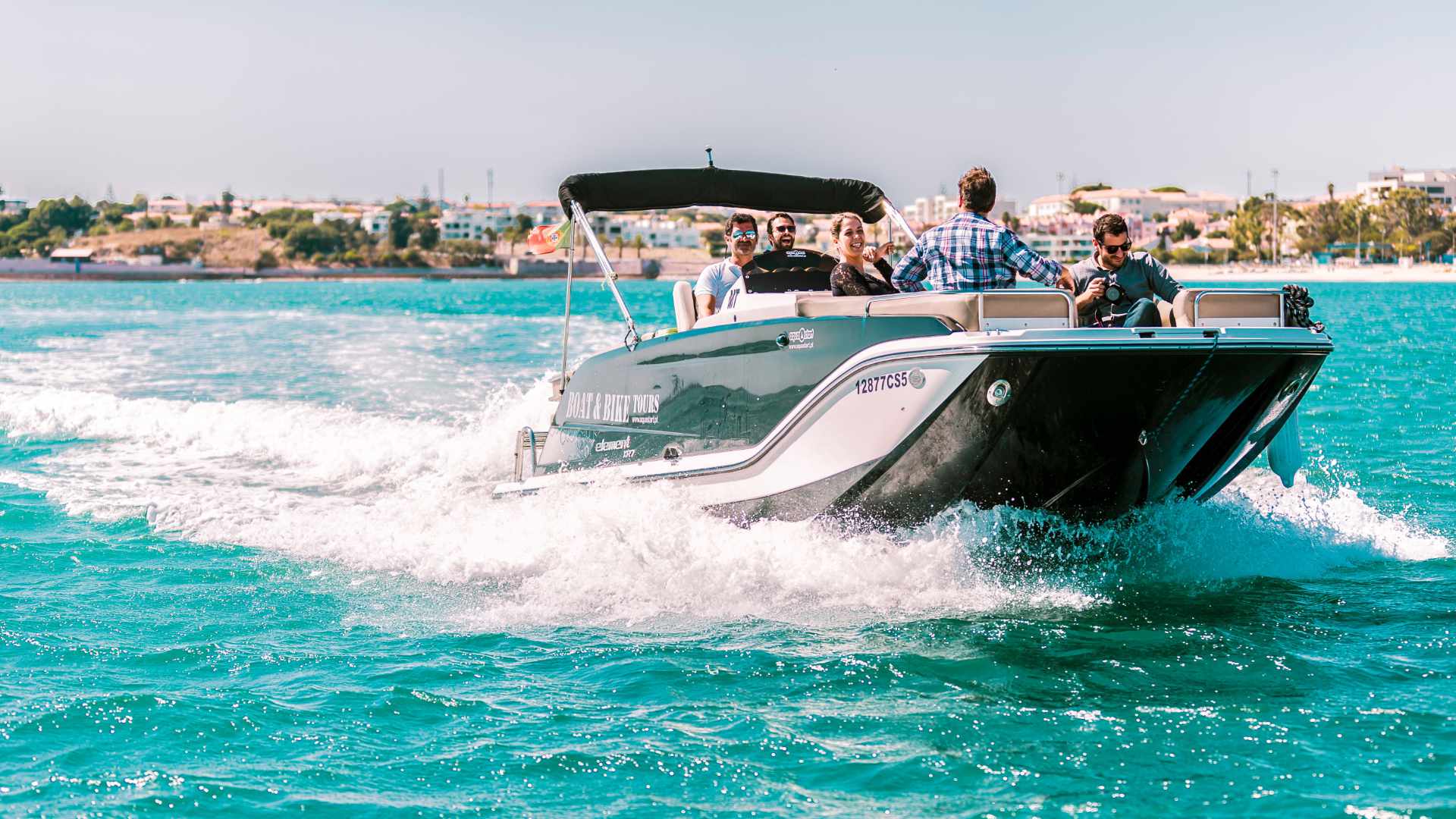
Discover how Cascais combines oceanfront elegance, relaxed luxury, and inspiring experiences for unforgettable corporate offsites.

With more than 20 years of experience in international event coordination, Conny is known for her proactive approach, strong problem-solving skills, and meticulous attention to detail. She anticipates challenges with ease and ensures every aspect of an event is planned to perfection.
Fluent in German, English, and Spanish, Conny’s positive, sociable nature allows her to adapt effortlessly to diverse situations and teams. She is passionate about creating structured, memorable events that run seamlessly from start to finish.
In her free time, she enjoys spending time with her partner and friends, being in nature, and dreaming of one day having a home with a large garden full of animals.

With over 25 years of experience in national and international corporate events, Lidia specializes in the automotive and MICE sectors across Europe. Her German–Spanish heritage and fluency in Spanish, German, and English give her a unique intercultural perspective, allowing her to quickly adapt to client needs.
Lidia is passionate, proactive, and flexible — equally comfortable leading projects or collaborating within a team. Known for her strong communication and negotiation skills, she is dedicated to creating events that exceed expectations for both attendees and organizers.
In her free time, she enjoys exploring new countries and cultures and spending time with dogs.
With 12 years of experience in international event management, Jacqueline leads Eventôir with a clear vision: to create seamless, high-impact events that leave a lasting impression. Having grown up in Spain, she works fluently in English, Dutch, and Spanish, which allows her to collaborate effortlessly with clients and partners around the world.
She has successfully delivered complex projects for global brands, including multi-day programs for up to 7,000 participants across 20 venues. Known for her meticulous planning, creative concepts, and ability to unite diverse stakeholders, Jacqueline blends business objectives with memorable guest experiences. Her flexibility and attention to detail have earned her a reputation as a trusted partner for brands seeking both elegance and flawless execution.
Outside of work, she is passionate about exploring new destinations and planning unforgettable trips. She enjoys staying active with nature hikes, gym workouts, Reformer Pilates, and Yin Yoga. She also loves cooking Mediterranean-inspired dishes, good coffee, and photography, with a special interest in interior design.