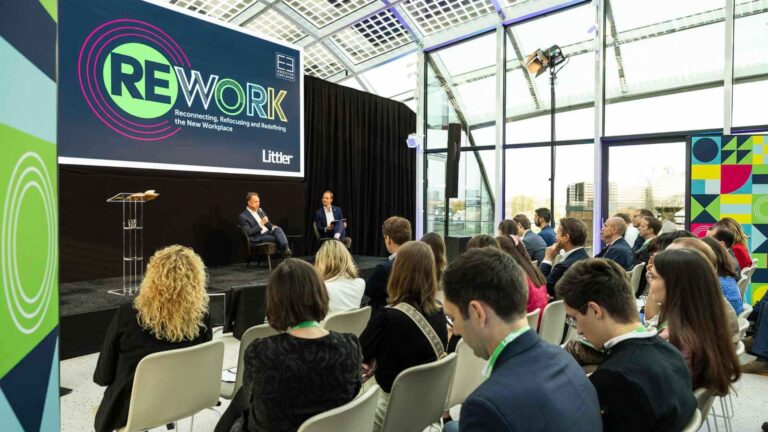
The New Era of Corporate Events in Europe
The New Era of Corporate Events in Europe Destinations | admin | Last updated: May
The venue is the first decision most teams make and the one they think about least. It gets booked early because availability creates pressure. It gets chosen on a tour, on a referral, on a photograph.
The right conference venue isn’t the most impressive one. It’s the venue that actively supports the strategic objective of the conference, from how guests move between sessions to how the room reads to senior audiences. Six factors decide whether a venue earns its place: objective alignment, flow over capacity, strategic location, production capability, networking architecture, and brand fit.
Here’s how we work that decision when we’re sourcing conference and meeting venues for clients across Europe.
The most common venue mistake is choosing the space before the conference has a defined purpose. This sounds elementary. It’s also where most procurement processes still go wrong.
A conference isn’t a single thing. A leadership alignment summit, a partner channel conference, a customer-facing product showcase, and an internal town hall can all carry the same headcount and need entirely different rooms. A leadership summit benefits from a contained, focused setting where reflection has space to happen. A product launch needs visibility, scale, and the kind of architecture a launch can earn its place in. An education-led conference needs sightlines, sound, and seating that supports concentration over six hours.
Here’s what that means in practice. When the objective is clear, the venue stops being a constraint. It becomes a tool. The brief sharpens. The shortlist narrows.
Capacity is the headline number. It’s also the most over-relied-on metric in venue selection.
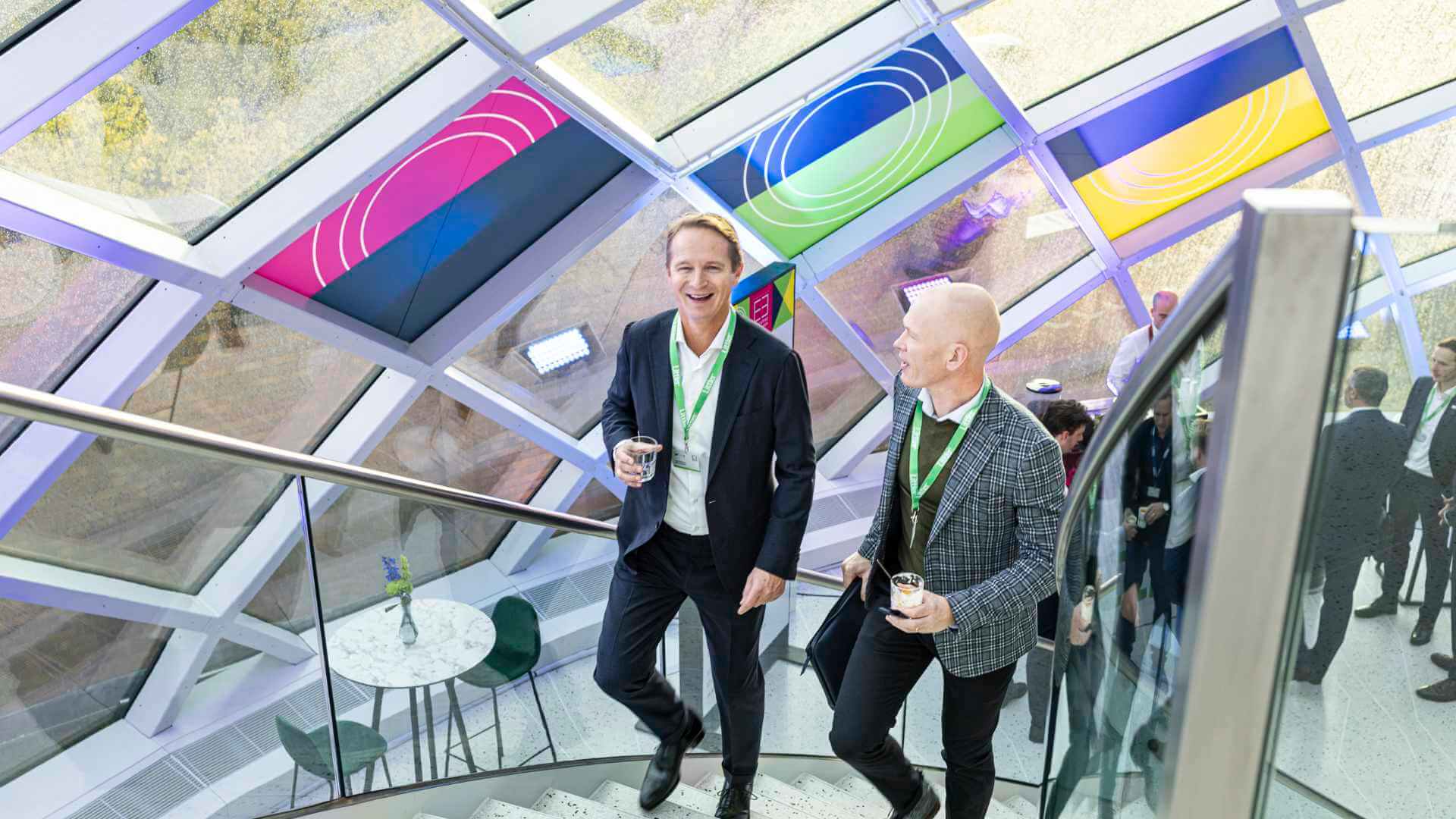
What actually decides whether a conference works in a room is flow. How guests move between arrival, plenary, breakouts, catering, and networking. Whether transitions feel natural or forced. Whether the venue lets informal conversations happen at the edges, or pushes everyone back into the main hall the moment a session ends.
A few questions clarify this fast. Are networking and catering areas naturally integrated, or pinned to the back of a hall as an afterthought? Is there room for formal content and informal interaction to happen in parallel? Where does daylight fall, and does that match the rhythm of the programme?
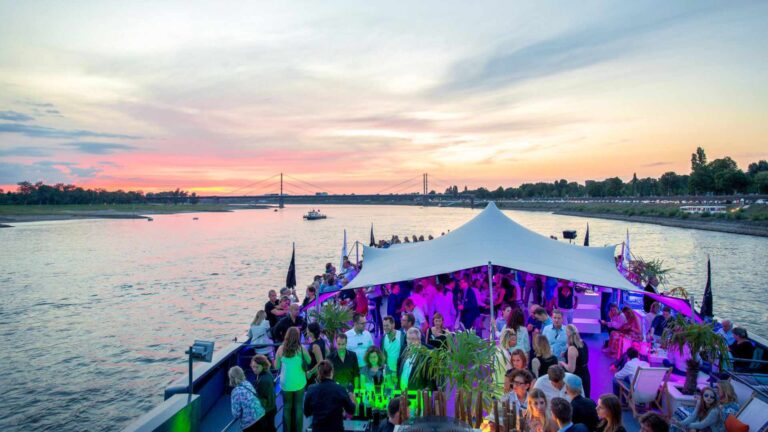
Venues with open lounges, terraces, or modular configurations outperform rigid single-room setups, because they give the energy of a conference somewhere to go. For programmes that benefit from full control of the environment, a hotel buyout can be the cleanest way to align flow with intent.
Flow influences energy. Energy influences participation. Participation is what the conference is being measured on.
Choosing where to host a conference is a strategic decision, not an accessibility one.
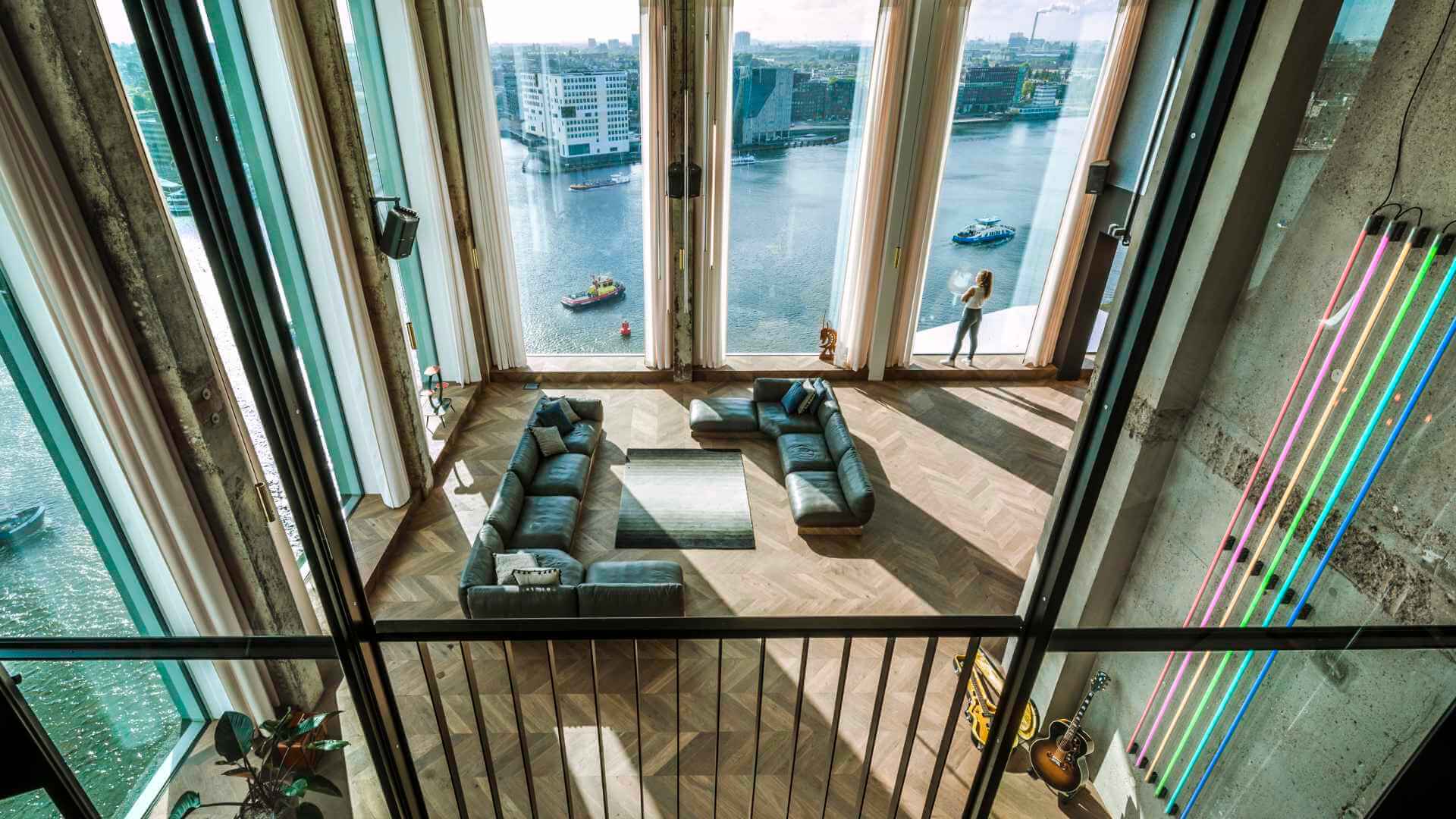
A central urban venue, somewhere like Amsterdam, Barcelona, or Lisbon, positions a conference as connected, international, and dynamic. Flight connections are easier. Accommodation infrastructure is deeper. Guests arrive expecting a city. Some of the most distinctive venues we work with in Amsterdam sit in this category, and they tend to outperform for partner conferences and brand-facing programmes.
A remote or nature-driven setting carries different value. By removing the daily background noise, it creates the kind of focus that leadership offsites and strategy summits need. The location itself becomes part of the story.
In either case, accessibility still matters. Direct flight connections from your guests’ main hubs. Quality accommodation within sensible distance. Efficient transfers between airport, hotel, and venue. Our Hotel and Venue Sourcing team builds every shortlist around that balance.
A visually impressive venue can become a production liability quickly if the technical foundation isn’t there.
Conference production has hit a baseline expectation that’s hard to shift below. Sound clarity, lighting, screen visibility, reliable connectivity. All assumed. Audiences notice when those fail. They rarely notice when they work.
Before any venue gets shortlisted, the production assessment should cover built-in AV capability and rigging flexibility, internet bandwidth and redundancy for hybrid components, acoustic performance in the actual rooms (not the brochure ones), power loading for staging and lighting, and the experience level of on-site technical staff.
The honest answer is that a venue with limited rigging, poor acoustics, or thin power supply can compromise even the strongest content. The Conference at W Amsterdam is a recent example of what happens when venue and production logic are aligned from the first walkthrough. We design every conference at EVENTÔIR Event Production around that principle.
The conference doesn’t only happen during the sessions.
Some of its highest-value moments occur in the gaps. A coffee in a courtyard. A small-group conversation that turned into a partnership. A walk between buildings that gave two people the time they needed. A late dinner that produced a decision the boardroom couldn’t.
Here’s where most agencies fall short. The breakout and networking areas get treated as leftover space, when they’re actually where the business outcomes happen. Venues that integrate networking and catering into the architecture outperform venues that pin them to a hallway.
For multi-day conferences, the surrounding ecosystem matters as much as the venue itself. Nearby restaurants, cultural experiences, distinctive evening venues all become part of the conference. When we source in cities like Barcelona, we often pair the conference venue with one or two distinctive evening venues that extend the experience without diluting the focus of the main programme.
People rarely remember every presentation. They remember how the conference felt, and a lot of that feeling is shaped outside the main stage.
Every venue communicates something. Whether the host intends it or not.
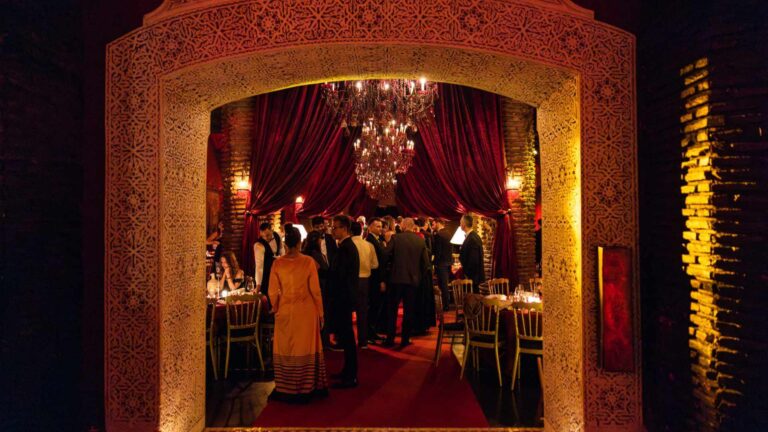
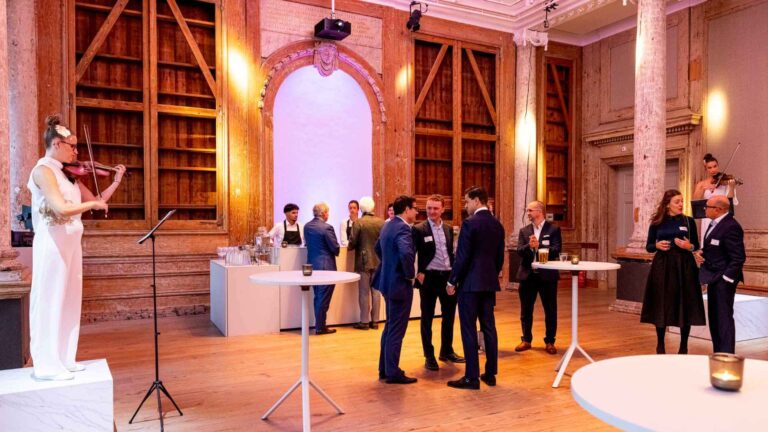
A contemporary architectural space reads as forward-thinking. A historic property reads as established and considered. A nature-driven setting reads as health, sustainability, renewal. A converted industrial space reads as creative. None of these readings are wrong. They’re different.
The work is choosing the one that aligns with the conference’s intent and the audience’s expectations. A tech-driven conference hosted in a heavy, traditional setting can feel slightly off, even when everything else is right. A senior-executive gathering in a venue that hasn’t been chosen with care can quietly undermine the perceived seriousness of the programme.
The right venue reinforces the credibility of the conference without needing to say a word. The wrong one creates a friction the host then spends the whole event softening.
The most expensive venue mistakes are the quiet ones.
When the venue is chosen well, the rest of the conference design has a much easier job. Engagement comes more naturally. Content lands more cleanly. Conversations form between sessions without prompting. The brand reads in the room.
When it’s chosen poorly, every other design decision spends part of its budget compensating for a venue that wasn’t quite right. The difference is rarely in the budget. It’s in the thinking that goes in before any contract is signed.
If you’re scoping a conference for the months ahead, this is the kind of decision the early conversation is most useful for. We’re happy to have it, and the practical framework underneath sits in our corporate event planning checklist.
Let’s design an experience that balances cultural depth with flawless execution.
Contact EVENTÔIR to start planning your next conference.
Managing Director @ EVENTÔIR
With 12 years of global event-management experience, Jacqueline leads teams that translate corporate objectives into emotionally resonant, seamlessly executed experiences.

The New Era of Corporate Events in Europe Destinations | admin | Last updated: May
A guide to designing luxury corporate events in Marrakech through culture, storytelling, and immersive experiences.
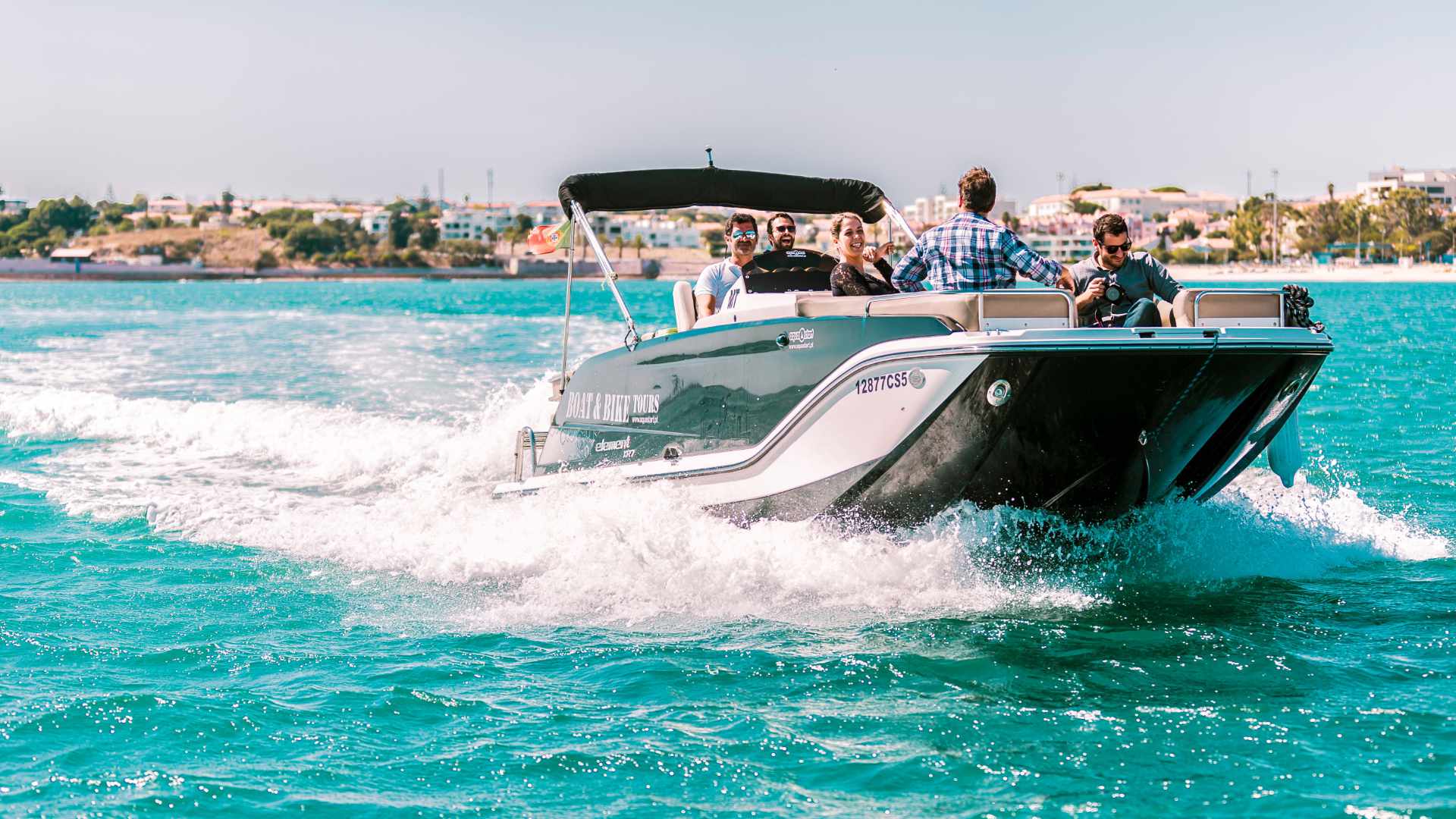
Discover how Cascais combines oceanfront elegance, relaxed luxury, and inspiring experiences for unforgettable corporate offsites.
With more than 20 years of experience in international event coordination, Conny is known for her proactive approach, strong problem-solving skills, and meticulous attention to detail. She anticipates challenges with ease and ensures every aspect of an event is planned to perfection.
Fluent in German, English, and Spanish, Conny’s positive, sociable nature allows her to adapt effortlessly to diverse situations and teams. She is passionate about creating structured, memorable events that run seamlessly from start to finish.
In her free time, she enjoys spending time with her partner and friends, being in nature, and dreaming of one day having a home with a large garden full of animals.
With over 25 years of experience in national and international corporate events, Lidia specializes in the automotive and MICE sectors across Europe. Her German–Spanish heritage and fluency in Spanish, German, and English give her a unique intercultural perspective, allowing her to quickly adapt to client needs.
Lidia is passionate, proactive, and flexible — equally comfortable leading projects or collaborating within a team. Known for her strong communication and negotiation skills, she is dedicated to creating events that exceed expectations for both attendees and organizers.
In her free time, she enjoys exploring new countries and cultures and spending time with dogs.
With 12 years of experience in international event management, Jacqueline leads Eventôir with a clear vision: to create seamless, high-impact events that leave a lasting impression. Having grown up in Spain, she works fluently in English, Dutch, and Spanish, which allows her to collaborate effortlessly with clients and partners around the world.
She has successfully delivered complex projects for global brands, including multi-day programs for up to 7,000 participants across 20 venues. Known for her meticulous planning, creative concepts, and ability to unite diverse stakeholders, Jacqueline blends business objectives with memorable guest experiences. Her flexibility and attention to detail have earned her a reputation as a trusted partner for brands seeking both elegance and flawless execution.
Outside of work, she is passionate about exploring new destinations and planning unforgettable trips. She enjoys staying active with nature hikes, gym workouts, Reformer Pilates, and Yin Yoga. She also loves cooking Mediterranean-inspired dishes, good coffee, and photography, with a special interest in interior design.