
The New Era of Corporate Events in Europe
The New Era of Corporate Events in Europe Destinations | admin | Last updated: May
Consider a hotel buyout for your corporate event when one of four things is true: the agenda is confidential, your group would fill most of the hotel anyway, you want the event to feel like its own private world, or the group is small, senior, and needs real privacy. If none of these apply, a buyout is usually money spent on something nobody will notice.
The surprising part? One of them applies more often than you’d think. And almost nobody runs the numbers.
A full hotel buyout means you reserve the entire property: every room, every meeting space, the restaurant, the bar, the lobby. For those days, the hotel has one client. You.
But the real value isn’t the privacy itself. It’s control.
With a buyout, your program owns the whole building and the whole clock. Your branding in the lobby. A bar that stays open until 1am because it’s yours. A session that moves into the garden without asking anyone. The staff focused on one event instead of juggling your group alongside a wedding and two hundred tourists.
That control changes what an event can be. It also changes the cost, in both directions. So the real question isn’t whether buyouts are worth it. It’s when.
The agenda is confidential. If your event covers an IPO, an acquisition, or a major strategy change, privacy stops being a nice extra. It becomes a security measure. A slide left on a shared bar table is a real risk, and a buyout removes it. Of the four signals, this one is the least negotiable.
You’d fill most of the hotel anyway. Here’s the math almost nobody does. If your group takes 70% or more of the rooms, you’re already close to buyout pricing. The extra cost for the remaining rooms is often small, and in return, all the problems of sharing a hotel disappear. A 90-person group in a 60-room boutique hotel is a buyout candidate, whether you planned it that way or not.
You want the event to be its own world. Incentive trips and milestone celebrations work through immersion. When your people never see another company’s name badges, the event feels designed, not booked. We produced a company retreat at an eco resort on exactly this logic. The seclusion was the concept. Sharing the property would have broken it.
The group is senior and small. Board retreats and leadership offsites have a quiet problem: the conversations are sensitive, the faces are recognisable, and the group is too small to disappear in a big hotel. A 35-room property in Portugal, taken whole, solves all of it at once. Properties like The Oitavos near Cascais are built for exactly this kind of use.
Now the honest part, because buyouts get more praise than they sometimes deserve.
Skip it for large conferences. Above roughly 250 people, the only hotels big enough to take over are convention hotels. There, a buyout costs a fortune and adds little, because the space already feels like yours at that size.
Skip it for one-night events. Hotels protect the income they lose by turning away other guests, so buyout contracts often include extra nights before and after your dates. A one-night gala can end up carrying three nights of cost. Tripleseat’s breakdown of buyout pricing shows how hotels think about this from their side of the table. Knowing their math is half of negotiating yours.
And skip it if the only reason is to impress. Guests don’t actually feel a buyout unless the program uses it. An empty private hotel impresses no one.
Buyout deals work differently from normal group bookings in three ways that catch teams off guard.
First, minimum spend replaces room count as the number that matters. Expect food-and-drink minimums, and check what happens to them if your headcount drops. With a normal booking you can release unused rooms. With a buyout, there’s nothing to release. You bought the house.
Second, lead time stretches. Small luxury hotels sell their buyout dates 12 months or more ahead, and the best ones get several requests for the same spring and September weeks.
Third, the hotel’s calendar matters more than its price list. The same property that quotes an impossible number for a Saturday in June might be very open to a midweek buyout in March. Finding that out is sourcing work, not negotiation, and it’s where a structured hotel and venue search earns its place: knowing which hotels will even discuss a buyout, and at which dates, before anyone falls in love with a brochure.
For the full mechanics, from contract to check-out, our guide to hotel buyouts walks through the whole process. This article is the decision. That one is the manual.
The short version of both: a buyout is a tool, not a trophy. Used on the right event, it’s the difference between holding your event in a hotel and the hotel becoming the event. If you’re weighing one for a real group and a real date, send us the details and we’ll tell you honestly whether it’s worth it.
There’s no fixed number, because it depends on the hotel. A 50-person group can justify buying out a 30-room boutique property, while 200 people in a 400-room hotel cannot. The working rule: if your group fills 70% or more of the rooms, ask for a buyout price.
If your group nearly fills the property, expect a premium of roughly 15 to 30% over a standard group rate. The bigger costs usually sit elsewhere: extra nights the hotel may require around your dates, and food-and-drink minimums.
Twelve months or more for small luxury hotels, especially for spring and September dates in southern Europe. Midweek and off-season dates are easier to get and often clearly cheaper.
A full buyout reserves the whole property, including all rooms, restaurants, and public areas. A partial buyout reserves a section, such as one wing or one floor plus meeting space. Partial buyouts cost less, but you give up the privacy and branding control that usually drive the decision in the first place.
Send us your group size and dates. We’ll tell you straight whether a buyout is worth it, or where your money goes further.
EVENTÔIR has sourced venues and produced corporate events in 40+ countries since 2017, for groups of 30 to 700. We know which properties entertain buyouts, and at which dates.
Managing Director @ EVENTÔIR
With 12 years of global event-management experience, Jacqueline leads teams that translate corporate objectives into emotionally resonant, seamlessly executed experiences.

The New Era of Corporate Events in Europe Destinations | admin | Last updated: May

A guide to designing luxury corporate events in Marrakech through culture, storytelling, and immersive experiences.
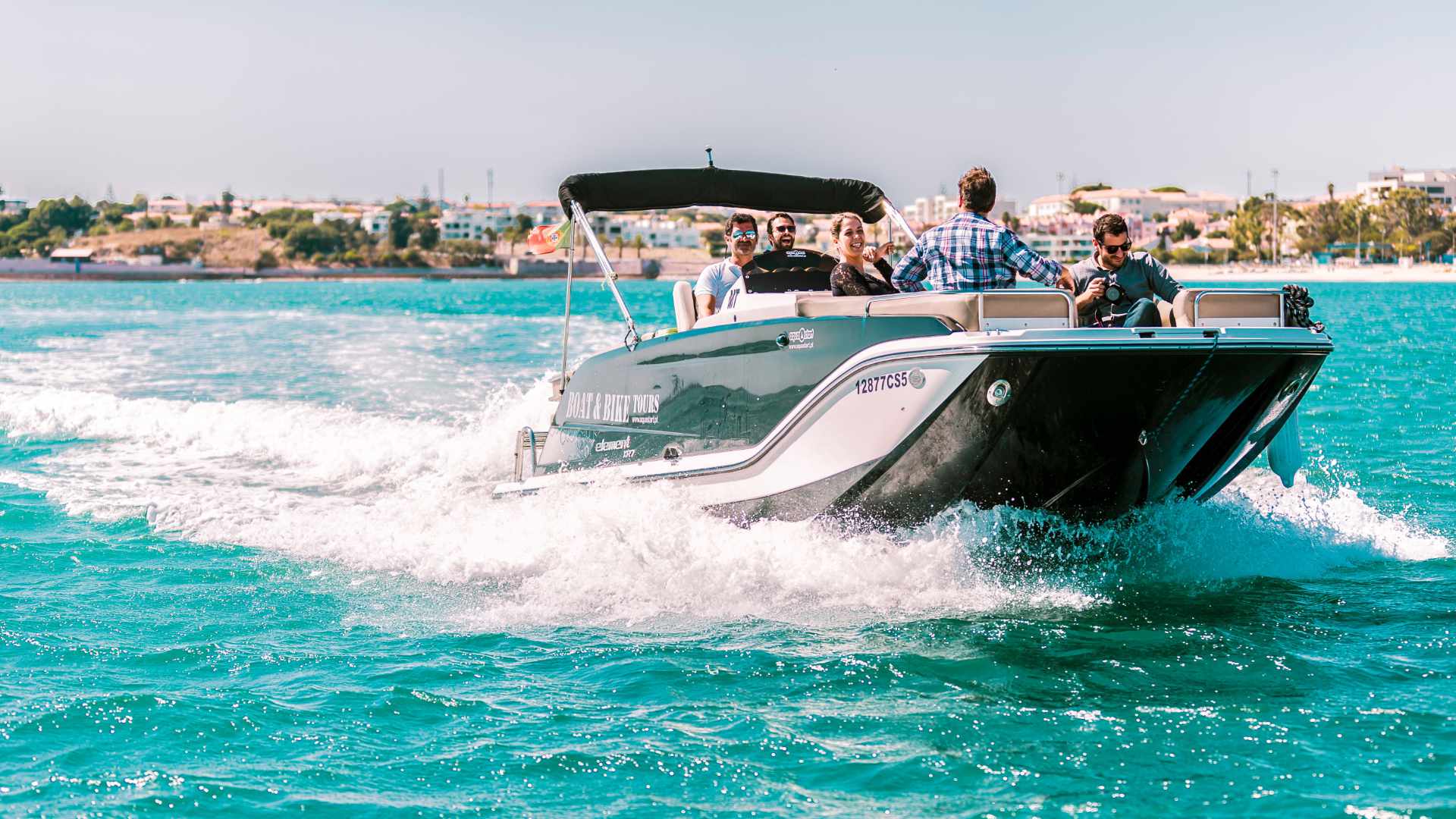
Discover how Cascais combines oceanfront elegance, relaxed luxury, and inspiring experiences for unforgettable corporate offsites.
With more than 20 years of experience in international event coordination, Conny is known for her proactive approach, strong problem-solving skills, and meticulous attention to detail. She anticipates challenges with ease and ensures every aspect of an event is planned to perfection.
Fluent in German, English, and Spanish, Conny’s positive, sociable nature allows her to adapt effortlessly to diverse situations and teams. She is passionate about creating structured, memorable events that run seamlessly from start to finish.
In her free time, she enjoys spending time with her partner and friends, being in nature, and dreaming of one day having a home with a large garden full of animals.
With over 25 years of experience in national and international corporate events, Lidia specializes in the automotive and MICE sectors across Europe. Her German–Spanish heritage and fluency in Spanish, German, and English give her a unique intercultural perspective, allowing her to quickly adapt to client needs.
Lidia is passionate, proactive, and flexible — equally comfortable leading projects or collaborating within a team. Known for her strong communication and negotiation skills, she is dedicated to creating events that exceed expectations for both attendees and organizers.
In her free time, she enjoys exploring new countries and cultures and spending time with dogs.
With 12 years of experience in international event management, Jacqueline leads Eventôir with a clear vision: to create seamless, high-impact events that leave a lasting impression. Having grown up in Spain, she works fluently in English, Dutch, and Spanish, which allows her to collaborate effortlessly with clients and partners around the world.
She has successfully delivered complex projects for global brands, including multi-day programs for up to 7,000 participants across 20 venues. Known for her meticulous planning, creative concepts, and ability to unite diverse stakeholders, Jacqueline blends business objectives with memorable guest experiences. Her flexibility and attention to detail have earned her a reputation as a trusted partner for brands seeking both elegance and flawless execution.
Outside of work, she is passionate about exploring new destinations and planning unforgettable trips. She enjoys staying active with nature hikes, gym workouts, Reformer Pilates, and Yin Yoga. She also loves cooking Mediterranean-inspired dishes, good coffee, and photography, with a special interest in interior design.