Designing a Multi-Venue Client Event in Barcelona: Marina Port Vell, El Tribut and SALT
A practical guide to designing a discreet, high-value CEO or pharma leadership programme in Europe, with planning lessons from Paris, Chantilly and Milan.
How to shape a focused leadership gathering around conversation, movement and a genuine sense of place.
A CEO programme asks more of a destination than good hotels and a convenient airport. Senior guests need privacy, purposeful time together and enough variety to keep the programme engaging without making it feel crowded.
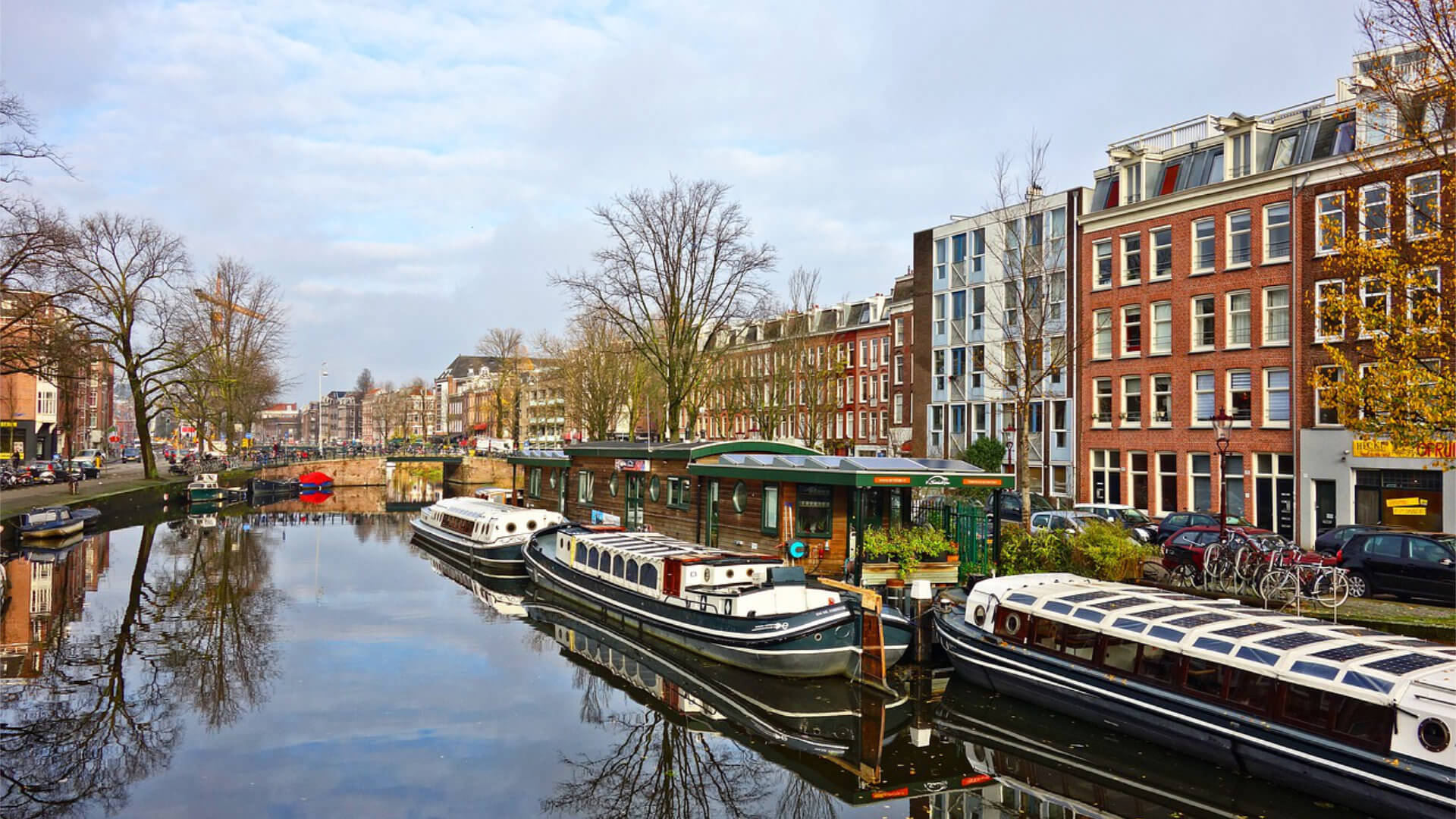
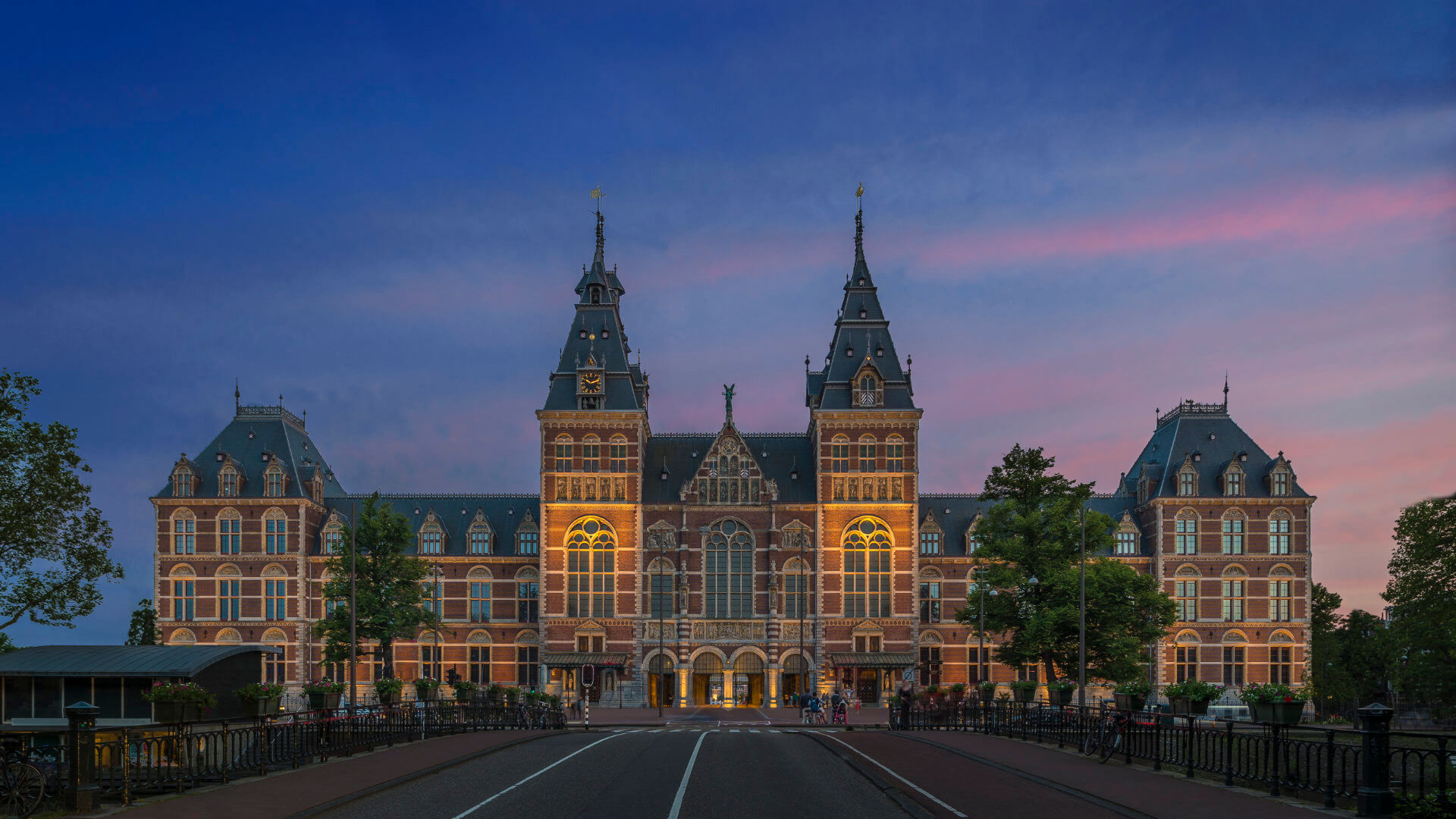
Amsterdam handles that balance particularly well. It is internationally connected, compact enough for a short programme and rich in settings that encourage different kinds of conversation. A formal session can take place in a landmark institution, dinner can unfold inside a historic canal house, and the day can close above the IJ with a wider view of the city.
The opportunity is not to include everything Amsterdam offers. It is to choose a small number of places and experiences that support the reason people have travelled, then connect them so smoothly that the organisation behind the programme is almost invisible.
Amsterdam feels accessible without feeling ordinary. Schiphol Airport gives international guests a direct rail connection into the city, while Amsterdam itself brings architecture, art, trade history and a close relationship with water into a relatively concentrated setting.
For a leadership group, that compactness is useful, but it can also be misleading. Distances on a map do not reveal the full guest journey. Canal bridges, pedestrian zones, restricted vehicle access and busy waterfront areas can turn a short transfer into an awkward arrival if the final approach has not been considered.
The city works best when its character becomes part of the programme design. Travel by water can create private time between engagements. A canal house can change the mood after a formal business session. A skyline venue can provide energy at the end of an intensive day.
This is where experienced hotel and venue sourcing matters. The right venue is not simply available, attractive and large enough. It must serve a clear purpose within the programme and work for the group from the first arrival to the last departure.
A short CEO programme has little room for wasted time. Guests may arrive from several countries, business discussions may carry significant weight, and each transition affects the attention available in the room.
The first day should help people arrive mentally as well as physically. A long meeting immediately after international travel rarely brings out the best conversation. A hosted welcome, an early dinner or a concise cultural introduction gives guests time to reconnect and settle into the city.
The main leadership day can carry the programme’s strategic work. Concentrating the agenda into a protected block reduces fragmentation. A considered change of setting later in the day can then signal a shift from structured discussion to more informal exchange.
The final morning should be useful but light. A closing conversation, breakfast session or short local experience can reinforce relationships without creating pressure around departures.
|
Programme moment |
Best setting |
Guest objective |
Operational focus |
|
Arrival and reconnection |
Private canal house or secluded historic setting |
Settle the group and encourage conversation |
Calm arrival, privacy and simple access |
|
Leadership and destination |
Protected meeting time followed by art or a water-led route |
Combine focused work with one relevant Amsterdam experience |
Permissions, movement and weather |
|
Perspective and celebration |
Contemporary skyline or waterfront venue |
Let dinner develop naturally into cocktails and music |
Guest lifts, sound, security and late transport |
The timetable should still leave room for real conversation. Senior programmes lose value when every pause becomes an activity and every transfer becomes a briefing.
“A strong executive programme creates space for the conversation that was not on the agenda.”
Amsterdam offers many impressive venues, but a multi-venue programme needs contrast rather than repetition. If every setting is formal, guests tire. If every setting is atmospheric but operationally difficult, the programme becomes fragile.
A useful venue sequence often moves from structure to intimacy and then to perspective. The following examples show how different settings can contribute without competing for attention.
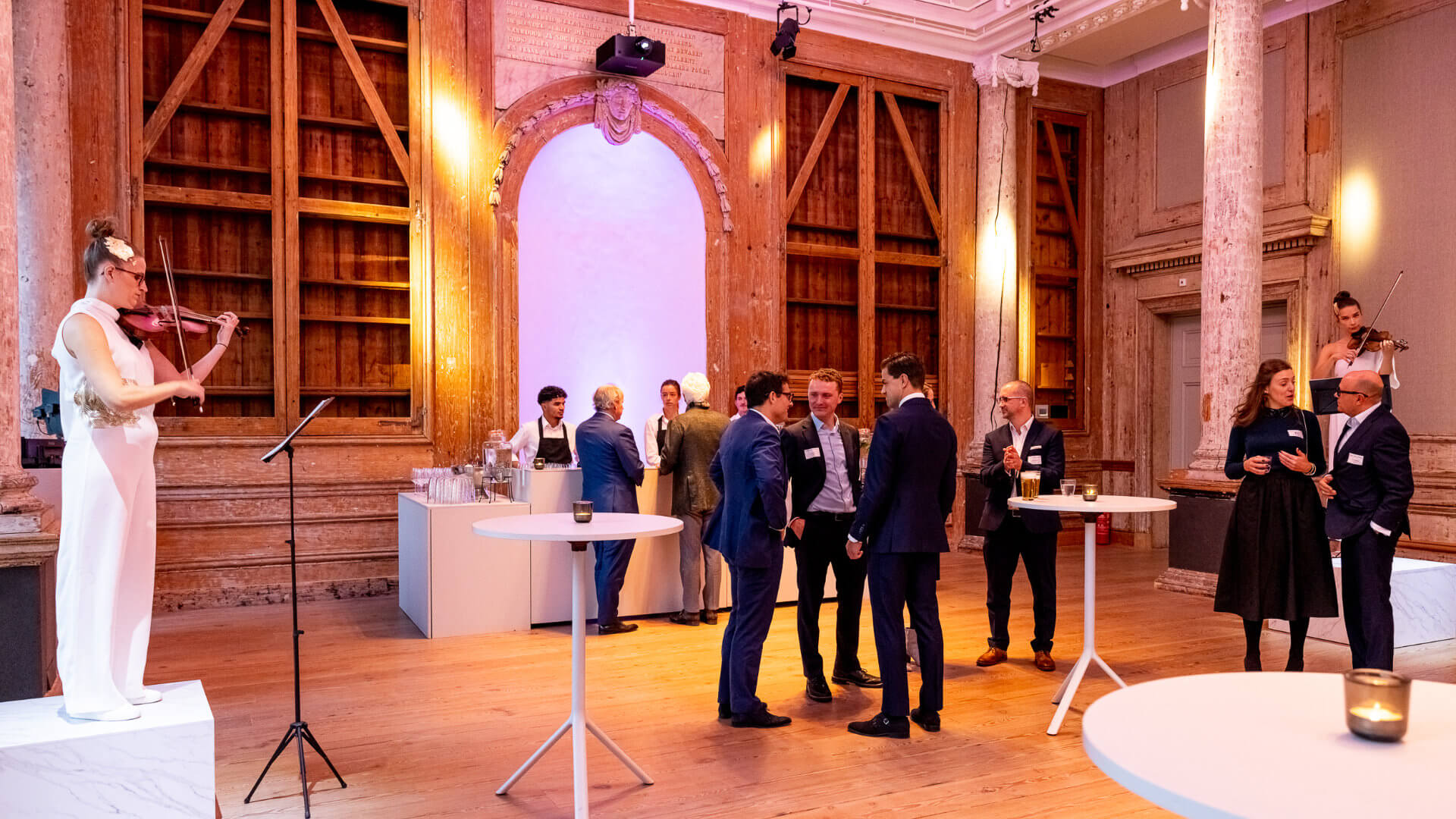
KIT, formerly the Royal Tropical Institute, can provide an appropriate setting for the main leadership day. Its institutional character gives the programme weight, while its event spaces can support plenary discussion, smaller conversations and hosted dining.
The venue is especially useful when the business agenda needs a clear centre. Guests arrive knowing that this is where focused work will happen.
Operational assessment should go beyond the principal meeting room. Organisers should review security requirements, breakout circulation, catering transitions, production access and the route guests will take from their vehicles to the room. Current facilities and availability should always be confirmed directly with KIT Events.
For groups considering a similarly structured agenda, EVENTÔIR’s European leadership event in Amsterdam offers a relevant example of how business content and destination experience can sit within the same programme.
Huis Bartolotti introduces a more intimate side of Amsterdam. Its canal-house setting can suit a private visit, reception or hosted dinner where the purpose is conversation rather than spectacle.
The appeal lies in proportion and detail. Historic interiors, domestic-scale rooms and the story of Amsterdam’s merchant past create a setting that feels connected to the city. For an executive group, this can encourage a different quality of exchange from a ballroom or conventional restaurant.
A heritage venue also requires restraint. Room capacities, furniture movement, catering conditions, accessibility, sound and conservation rules may shape the format. A dinner may work better across several connected rooms than in one large space. The programme should respond to the house rather than force the house to behave like a modern event venue.
Any private use or specialist visit should be discussed with Huis Bartolotti and confirmed according to the venue’s current arrangements.
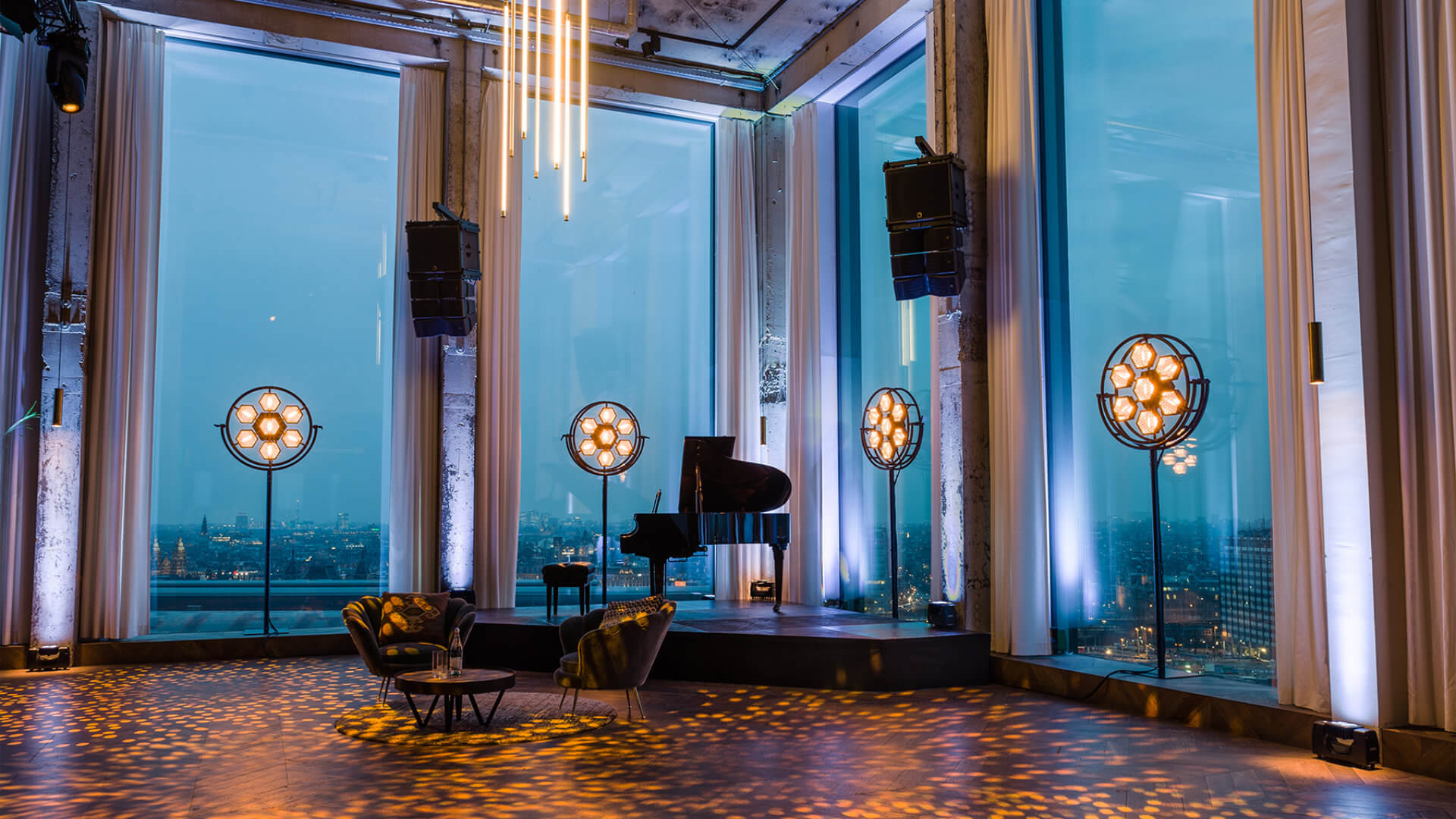
A’DAM Tower can play a useful role when the programme needs a stronger social finish. Its position across the IJ provides a different visual reading of Amsterdam and creates a clear change of mood after a day of meetings.
Depending on the chosen space and operating conditions, the tower may suit a reception, dinner or closing gathering. The journey there also has potential. Crossing the water separates the evening from the business day and gives guests a moment to reset.
The logistics need close attention. Ferry use, private boat access, vehicle drop-off, lift capacity, venue circulation, sound conditions and late-evening departures should all be checked against the group profile. Current event options should be confirmed through A’DAM Events, without assuming exclusive access or a particular space.
When a senior dinner carries relationship-building or investor value, the principles shown in EVENTÔIR’s annual LP meeting and investors dinner are also relevant.
In Amsterdam, transport can do more than move people between venues. It can protect conversation, reveal the city and create a natural pause between different parts of the programme.
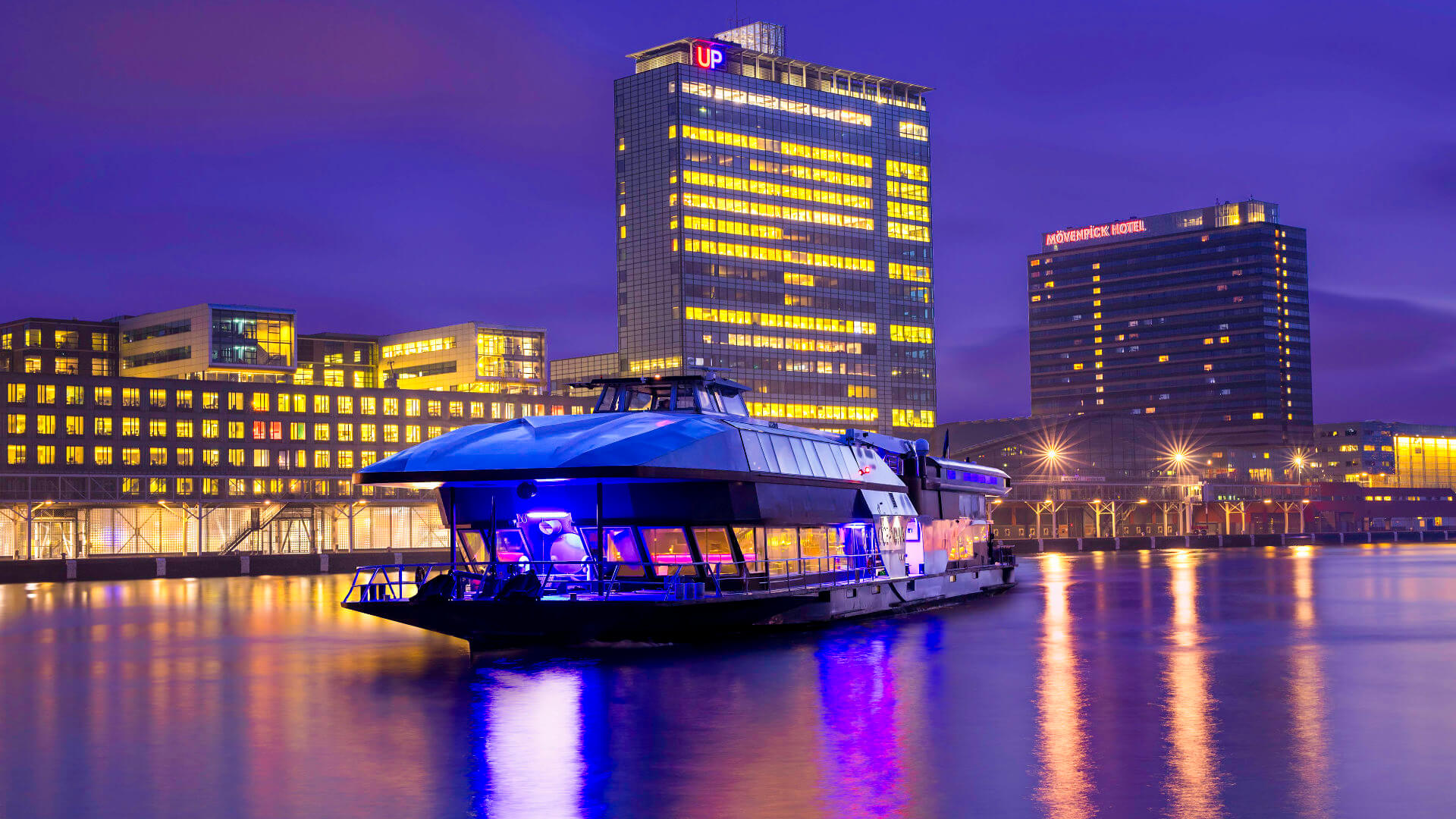
A private salon boat is often well suited to a smaller executive group. It provides shelter, a contained environment and the opportunity to serve drinks or light refreshments while guests travel. It can feel calm after a structured meeting day, while offering a view of the city that road transport cannot.
A historic sailing vessel offers another expression of Dutch water heritage. It may bring more character and a stronger sense of occasion, but it usually introduces additional considerations around weather, boarding, footwear, accessibility and journey time.
The choice should begin with the programme need. If the transfer must be reliable, private and conversational, a covered salon boat may be the stronger option. If the journey itself is intended to be a central experience and conditions allow, a historic vessel may be appropriate.
Neither option removes the need for road transport. A credible plan should include luggage movements, airport transfers, late departures and a land-based alternative when weather or water conditions change.
The final 100 metres deserves particular attention. Guests should not be left searching for an entrance, waiting on a quay or walking over uneven ground without warning. Hosts, signage, umbrellas, lighting and exact drop-off instructions often matter more than the vehicle itself.
Executive guests do not need a long list of attractions. They are more likely to remember an experience that reveals something specific about Amsterdam and gives the group something worth discussing.
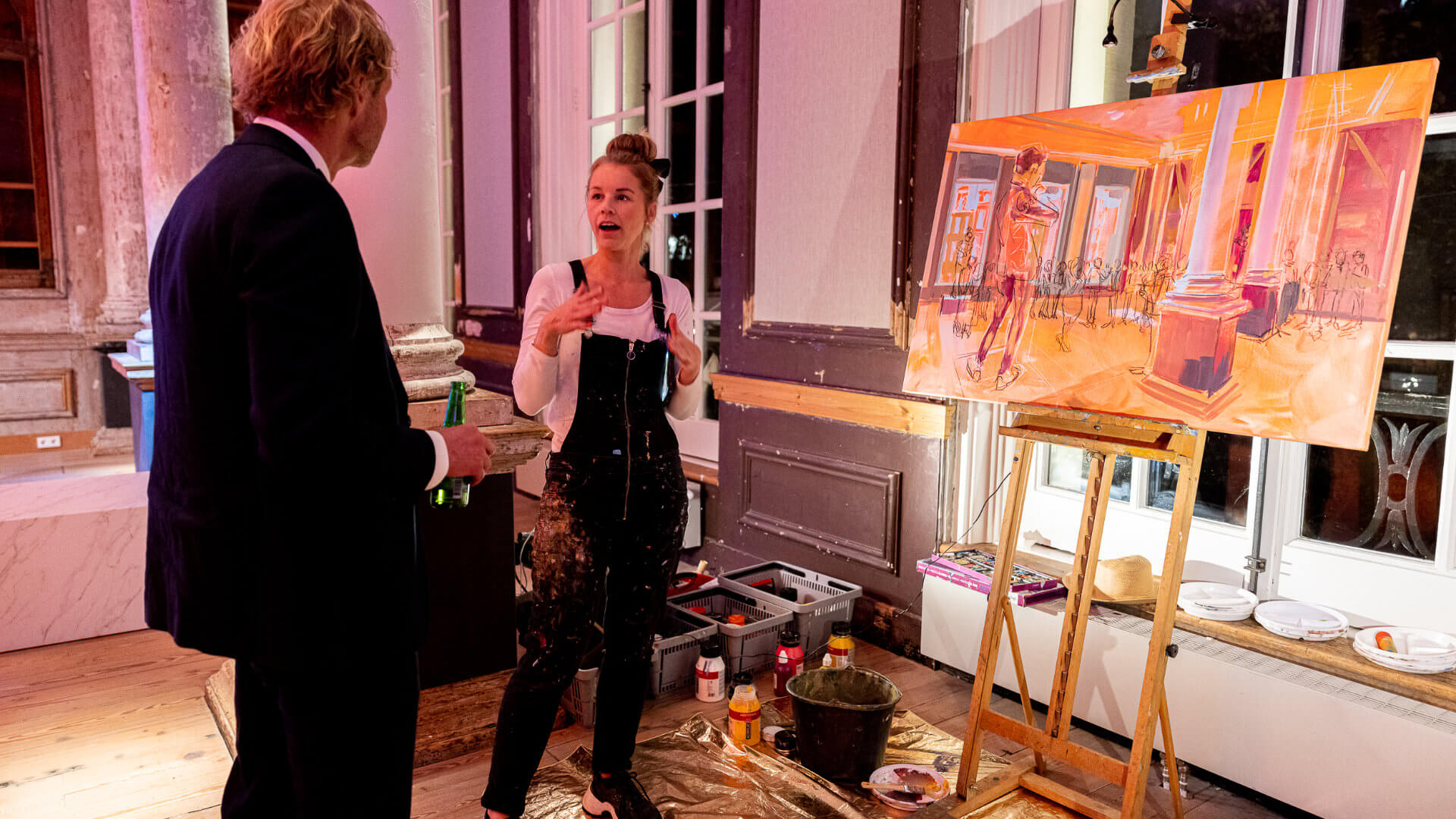
Art can work particularly well when it is approached through expertise rather than general sightseeing. A specialist-led museum visit, a focused conversation around a small group of works or an encounter connected to artistic mastery can create depth without demanding half a day. Access and format will depend on the institution, timing and current conditions.
Canal-house history offers another route into the city. It connects architecture with trade, private life and Amsterdam’s development, making it relevant to guests interested in leadership, enterprise and legacy.
Smaller details can also carry personality. A brief stroopwafel stop between programme moments can provide warmth and local flavour without becoming a formal activity. It works because it is short, recognisable and placed naturally within the route.
The test is simple: does the experience add perspective, create conversation or improve the rhythm of the day? If it does none of these, it probably does not belong in the programme.
The strongest CEO programmes in Amsterdam do not depend on constant novelty. They bring together a few places that each contribute something different: structure for the leadership agenda, intimacy for conversation and perspective for the social close.
Amsterdam provides the material. The organiser’s role is to edit it with care, connect it operationally and leave enough space for senior guests to think and speak openly.
For further planning principles, see EVENTÔIR’s guide to creating a high-impact corporate event and its wider event management expertise in the Netherlands.
EVENTÔIR designs international leadership meetings around the complete guest journey, from destination and venue strategy to private transport, programme design and on-site delivery.
Contact EVENTÔIR to discuss an Amsterdam programme shaped around your business objectives.
Managing Director @ EVENTÔIR
With 12 years of global event-management experience, Jacqueline leads teams that translate corporate objectives into emotionally resonant, seamlessly executed experiences.

A practical guide to designing a discreet, high-value CEO or pharma leadership programme in Europe, with planning lessons from Paris, Chantilly and Milan.

Plan a corporate retreat in Europe with practical guidance on agency support, budget allocation, lead times and destination decisions.

Compare the best corporate event destinations in Europe, from Amsterdam to Oslo. See which cities fit conferences, incentives, and leadership events.
With more than 20 years of experience in international event coordination, Conny is known for her proactive approach, strong problem-solving skills, and meticulous attention to detail. She anticipates challenges with ease and ensures every aspect of an event is planned to perfection.
Fluent in German, English, and Spanish, Conny’s positive, sociable nature allows her to adapt effortlessly to diverse situations and teams. She is passionate about creating structured, memorable events that run seamlessly from start to finish.
In her free time, she enjoys spending time with her partner and friends, being in nature, and dreaming of one day having a home with a large garden full of animals.
With over 25 years of experience in national and international corporate events, Lidia specializes in the automotive and MICE sectors across Europe. Her German–Spanish heritage and fluency in Spanish, German, and English give her a unique intercultural perspective, allowing her to quickly adapt to client needs.
Lidia is passionate, proactive, and flexible — equally comfortable leading projects or collaborating within a team. Known for her strong communication and negotiation skills, she is dedicated to creating events that exceed expectations for both attendees and organizers.
In her free time, she enjoys exploring new countries and cultures and spending time with dogs.
With 12 years of experience in international event management, Jacqueline leads Eventôir with a clear vision: to create seamless, high-impact events that leave a lasting impression. Having grown up in Spain, she works fluently in English, Dutch, and Spanish, which allows her to collaborate effortlessly with clients and partners around the world.
She has successfully delivered complex projects for global brands, including multi-day programs for up to 7,000 participants across 20 venues. Known for her meticulous planning, creative concepts, and ability to unite diverse stakeholders, Jacqueline blends business objectives with memorable guest experiences. Her flexibility and attention to detail have earned her a reputation as a trusted partner for brands seeking both elegance and flawless execution.
Outside of work, she is passionate about exploring new destinations and planning unforgettable trips. She enjoys staying active with nature hikes, gym workouts, Reformer Pilates, and Yin Yoga. She also loves cooking Mediterranean-inspired dishes, good coffee, and photography, with a special interest in interior design.